


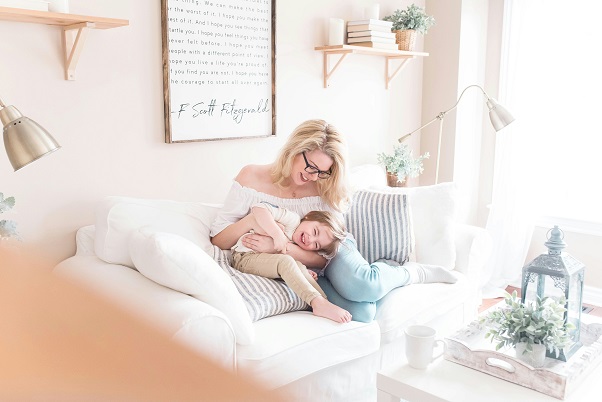
Understanding the Needs of a Family-Friendly Space
Designing a family-friendly living space requires a careful analysis of the diverse needs of all family members, from young children to elderly relatives. Each family structure presents unique challenges and considerations that must be addressed to ensure the space promotes safety, comfort, and versatility. One primary concern in family-oriented design is safety. Homes with young children should prioritize features such as rounded furniture edges, slip-resistant flooring, and secure windows. Similarly, homes accommodating older adults may require grab bars, non-slip surfaces, and barrier-free access to enhance mobility. In addition to safety, comfort plays a critical role in crafting a living environment suitable for families. Comfortable seating options, such as sectional sofas or bean bags, can create inviting areas for family gatherings. Moreover, the selection of durable, easy-to-clean materials is pivotal. Fabrics and finishes that resist stains and wear can significantly prolong the life of furniture and maintain the aesthetic appeal of the space, even in lively households.
Versatility is another key element in achieving a family-friendly living area. As children grow and family dynamics change, spaces should be adaptable to accommodate various activities. For instance, open-plan layouts promote interaction while enabling multiple purposes, such as play areas, study corners, or relaxation zones. Additionally, incorporating storage solutions that are easily accessible encourages organization and minimizes clutter, which is often a major concern for families.
Ultimately, a well-designed family-friendly living space should promote both functionality and enjoyment, creating an environment that is safe, comfortable, and capable of evolving to meet the needs of family members through different life stages.
Choosing the Right Layout and Flow
When creating a family-friendly living space, the layout is paramount. An effective design promotes not only comfort but also functionality, accommodating the diverse activities of family life. One of the most favored approaches in modern design is the open floor plan. This design eliminates unnecessary walls and divides while integrating the living room, dining area, and kitchen into a cohesive space. The open layout facilitates interaction among family members, allows for easier supervision of children, and enhances the natural flow of movement, which is particularly beneficial during gatherings.
Incorporating designated play areas within this layout is also essential. Establishing a specific zone for children’s activities—whether it be in the living room or a nearby nook—provides a sense of ownership over their space. Opting for modular furniture that can be easily reconfigured is a practical choice, as it allows families to adapt the area to various activities, from playing games to hosting friends. Soft rugs or floor pillows can help delineate the play area, offering comfort and a safe environment for children to explore and create.
Moreover, ensuring efficient traffic flow throughout the space enhances usability. It is important to consider the commonly traveled paths, such as routes to the kitchen, bathroom, or outdoor areas. Arranging furniture in a way that minimizes obstacles can help create clear pathways. For instance, placing sofa sets alongside the walls rather than in the center of the room ensures that movement is unhindered. This thoughtful design not only contributes to the practicality of daily routines but also fosters a welcoming atmosphere conducive to family interactions.
Selecting Durable and Safe Materials
When designing a family-friendly living space, the selection of materials plays a crucial role in ensuring both durability and safety. Opting for materials that can withstand daily wear and tear while also being safe for children can significantly enhance the environment of the home. One of the primary considerations is the choice of fabrics. Stain-resistant fabrics, for example, are an excellent option for upholstery. These fabrics are treated to resist spills and stains, making them particularly advantageous in homes with young children or pets.
In addition to stain resistance, it is essential to consider the toxicity of the materials used in the living space. Non-toxic finishes for furniture and other wood products ensure that harmful chemicals do not compromise indoor air quality or pose risks to family members. These finishes are derived from natural materials and are less likely to emit volatile organic compounds (VOCs), thus contributing to a safer living environment.
Furthermore, when selecting surfaces, it is advisable to choose kid-friendly options that can withstand the rigors of everyday life. Hard surfaces like laminate or vinyl flooring are not only durable but also easy to clean, making them ideal for homes where children play and explore. They are less likely to be scratched or damaged than softer options like carpet, which can absorb spills and odors over time.
By prioritizing durable and safe materials, families can create a living space that not only looks aesthetically pleasing but also functions effectively for everyday use. Selecting the right materials lays a strong foundation for a comfortable home where safety and style coexist harmoniously.
Incorporating Multi-Functional Furniture
In the quest to design a family-friendly living space, the importance of incorporating multi-functional furniture cannot be overstated. These versatile pieces not only help to maximize space but also enhance the overall functionality of a room, particularly in homes with varying needs and lifestyles.
One of the most popular options in this category is the sofa bed. This dual-purpose item provides a comfortable seating area for everyday use while seamlessly transforming into a bed for guests. The ability to accommodate additional sleeping arrangements without sacrificing valuable space makes sofa beds an ideal choice for family rooms or smaller living areas.
Storage ottomans represent another excellent example of multi-functional furniture. These versatile pieces serve as comfortable footrests, additional seating, or stylish coffee tables, and they also provide ample hidden storage for toys, blankets, or magazines. Utilizing such items can help keep a family space organized and clutter-free, thus promoting a more inviting and spacious environment.
Moreover, modular furniture offers a flexible solution to evolving family needs. With sectional sofas or modular shelving units, families can easily reconfigure their living space as they change over time. This adaptability is especially beneficial for growing families that require different arrangements for various activities, such as playtime, family gatherings, or quiet relaxation. Additionally, selecting furniture designed with durability and style in mind ensures that these pieces will withstand the rigors of family life while maintaining visual appeal.
By integrating multi-functional furniture into a family-friendly living space, homeowners can create an environment that is both stylish and practical. These versatile solutions encourage the effective use of space, cater to active family lifestyles, and ultimately contribute to a more comfortable living area for all family members.
Creating Designated Zones for Activities
Designing a family-friendly living space involves a strategic approach to creating designated zones for various activities. These zones serve not only to designate specific areas for play, reading, or entertainment but also to enhance functionality and maintain order within the living environment. Families thrive in spaces that cater to their diverse needs, particularly when it comes to having clear areas for different pursuits.
To create effective designated zones, it is crucial to consider the layout of the living space. One method of visually separating these areas is through the use of furniture arrangement. For example, positioning a sofa to face a play area can define that space while still allowing for an open flow throughout the room. Additionally, the strategic placement of area rugs can help delineate different zones, such as a cozy reading nook distinct from an entertainment area. Meeting the needs of all family members by creating functional spaces encourages engagement and organization.
Physical separation can also be incorporated via architectural elements like room dividers or shelves that offer both privacy and accessibility. When designing these spaces, it is essential to maintain cohesion in the overall design. Choose colors, materials, and styles that harmonize across designated zones to avoid a disjointed look. For example, a consistent color palette can unify the reading nook and play area, enabling them to coexist seamlessly while still serving their unique purposes.
Ultimately, the design of family-friendly spaces should prioritize the practicality of designated zones while simultaneously fostering a sense of togetherness. Balancing separate areas for activities with cohesive design not only maximizes utility but also supports a nurturing home environment where family members can connect and thrive.
Personalizing the Space with Family Touches
Creating a family-friendly living space is not only about functionality but also about infusing it with personal touches that evoke a sense of belonging. Personalization plays a crucial role in making a living area feel more like home, and there are various ways to accomplish this without overwhelming the overall aesthetic.
One effective method is to incorporate family photographs. Displaying framed images of family members, friends, and cherished memories can spark joy and warmth. To prevent visual clutter, consider using a gallery wall format that includes a variety of frames, colors, and styles. This approach allows for creativity while ensuring that the display remains cohesive and organized. A mix of sizes and shapes can create a dynamic look, making it an engaging focal point that recounts your family stories.
In addition to photographs, artwork created by family members can add significant personality to the living space. Whether it’s a colorful painting from a child or a crafted piece from an adult, showcasing these works not only celebrates talent but also fosters a connection to the home. Position these pieces thoughtfully, perhaps choosing a dedicated space like an art wall or a shelf dedicated to rotating artwork to maintain freshness in the decor.
Sentimental items, such as heirlooms or travel mementos, can also serve as conversation starters and reminders of family history. However, it is essential to strike a balance between personal expression and functionality. Select a few key pieces that share meaningful stories while ensuring that those items do not overcrowd the space. By doing so, the living area remains functional and inviting, allowing for both family gatherings and everyday relaxation. Ultimately, personalizing your living space through thoughtful decor fosters an environment where everyone feels comfortable and connected.
Maximizing Storage Solutions
In family living spaces, efficient storage solutions play a pivotal role in maintaining organization and minimizing clutter. One of the most effective strategies for managing the myriad of toys, books, and everyday items is to integrate built-in storage solutions. Built-ins can seamlessly blend into the architecture of the home, ensuring that valuable space is utilized effectively. This approach not only maximizes floor area, but also provides a clean and cohesive look that enhances the aesthetics of the living space.
Consider incorporating shelves that reach from floor to ceiling in common areas such as the living room or playroom. These shelves can serve multiple functions; they can house books, display family photos, or store bins filled with toys organized by category. Choosing aesthetically pleasing baskets or decorative boxes for storage can also complement your home’s decor while keeping items accessible and neatly tucked away.
Creative shelving options further contribute to effective storage. For instance, wall-mounted shelves can be used to free up valuable floor space, thus creating an illusion of a larger area. In addition, multi-functional furniture, such as ottomans that double as storage units, can provide quick access to items while maintaining a clutter-free environment. Incorporating pegboards or hooks in areas like the entryway can help manage everyday essentials such as bags or jackets, making it easier for family members to grab what they need on the go.
Ultimately, the key to a family-friendly living space lies in embracing innovative and practical storage solutions. By thoughtfully designing storage options that cater to the needs of all family members, one can create an organized, welcoming environment that allows the family to thrive.
Incorporating Outdoor Living Spaces
Designing a family-friendly living space involves considering how best to incorporate outdoor areas that can serve as extensions of the home’s interior. Outdoor living spaces can significantly enhance family interaction and promote well-being by providing areas for relaxation and play. The benefits of designing such spaces are numerous, ranging from improved mental health to fostering familial bonds.
One effective way to extend living spaces outdoors is by creating a patio or deck area. These structures can serve as perfect spots for family gatherings, barbecues, or quiet evenings under the stars. Furniture selection is crucial; choosing durable, comfortable pieces can make all the difference in how often families utilize these spaces. Whether it be a dining table for meals or lounge chairs for relaxation, ensuring that furniture is kid-friendly and weather-resistant enhances usability.
Gardens offer another valuable outdoor addition. They not only provide a picturesque setting but can also serve as an engaging activity for family members of all ages. Kids can learn about nature through gardening, allowing them to take part in planting and caring for flowers, vegetables, or herbs. This connection to nature offers a wonderful opportunity for families to spend quality time together while creating a nurturing environment.
Safety should be a primary concern when establishing outdoor play areas. Designating a safe play zone with soft surfaces, such as grass or rubber mats, can help mitigate accidents. Incorporating playground equipment, like swings or slides, ensures children have a dedicated area to engage in physical activity. When outdoor living spaces are thoughtfully designed, they become not only functional but also a source of joy and relaxation for the entire family.
Sustainable and Eco-Friendly Design Choices
In today’s fast-paced world, incorporating sustainability into family-friendly living spaces is more important than ever. A sustainable approach to design not only benefits the environment but also fosters a healthier living space for families to thrive. Adopting eco-friendly design choices can significantly contribute to reducing the ecological footprint of a home.
One effective way to achieve this is by utilizing eco-friendly materials in construction and decor. Choosing sustainable materials such as bamboo, reclaimed wood, or recycled products can dramatically lower the environmental impact associated with traditional building materials. These options not only reduce waste but also promote healthy indoor air quality, as they often contain fewer harmful chemicals compared to conventional choices. Additionally, opting for low-VOC (volatile organic compounds) paints and finishes can significantly improve the overall healthiness of your home.
Energy-efficient appliances represent another crucial element in the design of a sustainable family-friendly living space. Selecting appliances that have received an Energy Star rating ensures that they consume less electricity while still providing superior performance. These appliances are designed to minimize energy use without compromising functionality, resulting in substantial energy savings over time. This not only helps in lowering monthly utility bills but also reduces the overall carbon footprint of the household.
Furthermore, implementing strategies for waste reduction is vital in fostering a sustainable environment. Families can engage in practices such as composting organic waste, recycling materials, and minimizing single-use products. These small changes contribute to a larger commitment to environmental stewardship and teach younger family members the importance of sustainability. By adopting these eco-friendly design choices, a living space can be transformed into a healthier and more sustainable environment that benefits both the family and the planet.