You mean to schedule the appointment, then school pickup runs late, work gets busy, someone needs a ride, and the week disappears. Dental visits often slide down the list because nobody is in pain right now, and that can make it easy to believe everything is fine. For many families, that is exactly how small oral health problems turn into bigger, more expensive ones, making it especially important to stay in touch with a dentist in Southwest Portland.
Routine dental visits are not just about getting teeth cleaned. They help catch decay early, track changes in gums and bite, and give each person in your home care that fits their age and habits. A family dental checkup can save time, stress, and money, especially when one trusted provider gets to know your whole household.
Routine checkups catch small dental problems before they grow
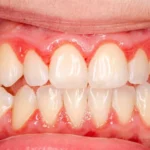
A cavity rarely starts with obvious pain. Gum irritation does not always bleed right away. A child may be brushing every night and still miss spots around the back molars. An adult may think tooth sensitivity is normal because it comes and goes. These are the quiet stages when a family dentist can step in early.
That matters because early treatment is usually simpler. A small area of decay may need a filling. Left alone, that same tooth can end up needing a crown, a root canal, or even removal. The same pattern shows up with gum disease. Early inflammation can improve with better home care and regular cleanings. More advanced disease can lead to bone loss, loose teeth, and long treatment plans. MedlinePlus explains how tooth decay develops over time, often without much warning at first.
Children benefit from this early watch even more. Their mouths change fast. Teeth come in, baby teeth loosen, jaw growth shifts, and habits like thumb sucking or mouth breathing can affect development. According to MedlinePlus, children should have regular dental care to help prevent cavities and monitor healthy growth. When those visits are routine, they feel normal instead of scary.
Preventive dental care lowers stress for parents and builds better habits for kids
You can usually tell when a family has been stuck in dental crisis mode. Appointments happen only when something hurts. A child starts to fear the dentist because visits are tied to discomfort. Parents brace for surprise costs. Everyone puts it off again after that. It becomes a cycle, and the stress is real.
Preventive dental care for families changes that cycle. Cleanings, exams, fluoride treatments when needed, and steady guidance around brushing and flossing create a rhythm. Kids learn that dental care is a normal part of staying healthy, not a punishment after too much candy or a reaction to pain. Teens get support through braces, sports mouthguards, and wisdom tooth monitoring. Adults get help with grinding, gum health, and worn fillings. Older family members get closer attention to dry mouth, medication effects, and changing dental needs.
There is also something deeply practical about seeing one provider who knows your family. Patterns become easier to spot. If several family members are prone to cavities, your family dentist can help adjust home routines early. If a child struggles with brushing, the advice can be specific instead of generic. If an older parent has dexterity issues, the care plan can shift to tools they can actually use.
Regular visits support overall health, not just teeth
Oral health does not stay in your mouth. Inflamed gums, untreated infection, and chronic dental pain can affect sleep, eating, focus, and daily comfort. A person with a sore tooth may chew on one side, skip certain foods, or rely on pain relievers just to get through the day. A child with dental discomfort may have trouble concentrating in school. An adult with ongoing gum problems may ignore symptoms until the issue starts affecting work and confidence.
Preventive services exist for a reason. The Office of Disease Prevention and Health Promotion encourages people to find and use preventive health services, including dental care, because regular screening helps catch problems before they become harder to treat. This is one reason many families choose a provider focused on continuity instead of one-off urgent visits. A steady relationship supports better follow-through.
Routine dental checkups also give you a place to ask about the things that do not seem urgent enough for an emergency call but still matter. Bad breath that will not go away. A child whose adult teeth are erupting oddly. Bleeding when flossing. Jaw clicking. Night grinding. Those details often point to issues worth addressing before they become disruptive.
Routine checkups cost less than delayed treatment in many common situations
| Situation | Routine Checkup Approach | Delayed Care Outcome |
| Small cavity | Found during exam and treated with a filling | Can progress to pain, infection, crown, or root canal |
| Early gum irritation | Cleaning and home care changes may calm inflammation | Can advance to gum disease, recession, and tooth instability |
| Child with poor brushing around molars | Hands-on coaching and preventive care reduce risk | Higher chance of cavities and treatment anxiety later |
| Worn filling in an adult | Monitored and replaced before fracture or decay spreads | May lead to a cracked tooth or larger restoration |
| Dry mouth in an older adult | Identified early and managed with targeted advice | Can increase decay risk and discomfort with eating or speaking |
Simple steps make family dental care easier to keep up with
Book everyone together when possible. Grouping appointments cuts down on repeat trips and helps routine care feel like part of family life, not a special event that keeps getting postponed. If same-day visits are not possible, set the next appointments before you leave the office.
Track the small signs you keep ignoring. Sensitivity, bleeding gums, jaw soreness, bad breath, white spots on teeth, and a child avoiding cold drinks all deserve attention. These details help a family dentist catch issues earlier and tailor care to each person.
Make home care realistic, not perfect. A rushed school morning does not need an ideal routine. It needs one your family can repeat. Keep toothbrushes visible, replace worn brushes, use floss picks if standard floss is getting skipped, and ask for age-appropriate tips that match real life.
Steady care gives every family member a better chance to stay ahead of problems
When dental care becomes routine, it stops feeling like one more crisis waiting to happen. You get fewer surprises, children grow up with less fear around appointments, and each family member has a better shot at staying comfortable and healthy. If it has been a while, scheduling a visit with a family dentist is a strong place to start.