


Introduction to Smart Home Technology
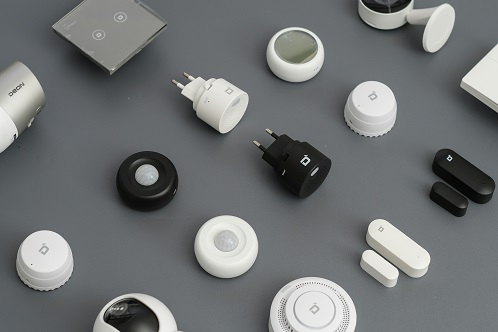
Smart home devices technology refers to a suite of devices and systems that enhance the functionality of a home by automating processes and enabling remote access through the internet. This innovation encompasses a wide array of components including smart speakers, thermostats, security cameras, and connected appliances. These devices can be seamlessly integrated into a home ecosystem, allowing them to communicate with one another and respond to user commands through centralized hubs or dedicated applications.
The primary function of smart home technology is to improve convenience, security, and energy efficiency. Smart speakers such as Amazon Echo or Google Nest act as the command center for the home, allowing users to control various devices using voice commands or mobile applications. For instance, users can adjust lighting, control the thermostat, or monitor security cameras with simple verbal instructions. This level of control not only simplifies daily routines but also enables users to manage multiple devices simultaneously.
Moreover, smart thermostats like the Nest Learning Thermostat can learn user behavior and adjust the heating and cooling settings accordingly, resulting in improved energy efficiency and reduced utility bills. Similarly, connected appliances, such as smart refrigerators or washing machines, offer the convenience of remote operation and monitoring, allowing users to start cycles or receive alerts whenever they need attention.
To ensure seamless interaction among different devices, smart home technology typically relies on a central hub. This hub processes commands from various devices and acts as a bridge for communication, utilizing protocols like Wi-Fi, Zigbee, or Z-Wave. This interconnectedness ensures that all smart devices work in harmony, creating an efficient and responsive home environment.
Enhanced Convenience and Control
The advent of smart home technology has revolutionized the way individuals interact with their living environments, significantly enhancing convenience and control. One of the standout features of smart home systems is the ability to access and manage devices remotely through dedicated applications. Homeowners can conveniently check on their security cameras, adjust their thermostats, and even control their lighting from anywhere, using just their smartphones. This level of accessibility ensures that users can maintain peace of mind while away from home, allowing for real-time monitoring and management.
In addition to remote access, voice control functionalities have emerged as a hallmark of modern smart homes. Devices integrated with voice assistants such as Amazon Alexa, Google Assistant, and Apple Siri enable users to execute commands hands-free. Whether it is turning on the coffee maker, adjusting the temperature, or playing music, voice control brings an effortless element to daily routines. Users can simply speak their requests, which can be particularly beneficial for those with mobility challenges or when multitasking.
Moreover, automation plays a critical role in enhancing everyday convenience. Smart home technology allows for the automation of various tasks, such as setting schedules for lights and thermostats, or automating security systems. For instance, smart lights can be programmed to switch on at sunset or to dim when movie time begins. Similarly, a smart thermostat can learn the homeowner’s preferences and automatically adjust the temperature based on occupancy and time of day. These automated solutions not only simplify daily tasks but also contribute to energy efficiency, making life more manageable and eco-friendly.
Increased Energy Efficiency
Smart home technology has revolutionized how households manage energy consumption, contributing significantly to energy savings and environmental sustainability. One of the key advancements in this domain is the smart thermostat, which utilizes machine learning to adapt to the behaviors and preferences of its users. By learning patterns over time, these thermostats can optimize heating and cooling schedules, ensuring that energy is used only when necessary. This tailored approach not only leads to lower energy consumption but also helps homeowners save on their utility bills.
Another remarkable aspect of smart home technology is smart lighting systems. Equipped with motion sensors and automated schedules, these lighting solutions adjust based on occupancy and natural light availability. For instance, they can dim or turn off lights in unoccupied rooms, which greatly minimizes unnecessary energy waste. Furthermore, some smart lighting systems allow users to control lighting remotely via smartphone applications, enabling them to manage energy use even when they are away from home.
In addition to thermostats and lighting, smart appliances play a crucial role in increasing energy efficiency. Many modern appliances, such as refrigerators, washing machines, and dishwashers, are designed to operate more efficiently than their traditional counterparts. For example, smart appliances can run during off-peak energy hours when rates are lower, or they can adjust their operational modes based on energy availability. The result of these innovations is a reduction in both energy bills and the overall carbon footprint of a household.
In conclusion, the integration of smart home technology offers significant benefits in terms of energy efficiency. By utilizing devices like smart thermostats, intelligent lighting, and optimized appliances, users can achieve considerable savings while promoting a more sustainable living environment.
Improved Home Security
Smart home technology has significantly transformed the landscape of residential security systems. Through the integration of various devices, homeowners can now enhance their property’s security measures with unprecedented convenience and effectiveness. Smart cameras are at the forefront of this evolution, allowing users to remotely monitor their homes in real-time. These cameras can be equipped with motion detection, providing instant alerts to homeowners if any suspicious activity is detected. They often come with cloud storage options, ensuring that footage can be reviewed at any time, even days or weeks after an incident.
Moreover, the inclusion of smart locks enhances home security by enabling homeowners to control access to their properties remotely. With smart locks, individuals can grant or revoke access at their convenience using their smartphones, eliminating the need for physical keys. This capability is especially beneficial for those who need to allow access to service personnel or guests while away from home. Additionally, features such as keyless entry, temporary access codes, and real-time notifications about lock status further augment security measures.
Home monitoring systems, powered by smart technology, add another layer of security. These systems can integrate with various smart devices, providing a comprehensive overview of home security. Homeowners can receive alerts related to doors opening unexpectedly or unauthorized movement in specified areas, allowing for quicker responses to potential threats. With remote access, individuals can manage their home security from anywhere, offering peace of mind whether they are on vacation or at work.
In conclusion, the implementation of smart home technology greatly enhances residential security. By employing smart cameras, locks, and monitoring systems, homeowners can efficiently safeguard their properties and respond proactively to security concerns, ultimately leading to improved safety and greater peace of mind.
Customization and Personalization
One of the remarkable advantages of smart home technology lies in its capacity for customization and personalization, which transforms a standard living space into a tailored environment that reflects individual preferences and lifestyles. Smart home systems allow users to program their devices according to their schedules, thereby enhancing convenience and efficiency in daily tasks.
For instance, smart thermostats can be programmed to adjust the temperature according to when residents are at home or away, significantly improving energy efficiency and comfort. Similarly, smart lighting can be set to vary in intensity and color based on the time of day or activities—bright lights can aid focus during work hours, while softer hues can create a relaxing ambiance in the evening.
Additionally, smart home technology supports customizable routines that seamlessly integrate multiple devices. Users can establish morning routines where, for example, the coffee maker initiates brewing as the smart alarm clock goes off, while the blinds gently open to welcome natural light. Such integrations not only save time but also enhance the living experience by fostering a sense of harmony throughout the day.
Furthermore, smart devices often come equipped with user-friendly apps or interfaces that enable residents to manage settings from their smartphones or voice-activated assistants. This flexibility allows for ongoing adjustments based on evolving preferences or circumstances. For example, if a family shifts from a busy lifestyle to a more relaxed one, the smart home can adapt by altering the routines and settings to fit the new pace of life.
Overall, by providing a highly customizable living environment, smart home technology allows individuals to enhance their comfort and satisfaction within their homes. This personalization not only contributes to increased convenience but also promotes a lifestyle that can adapt to changes and individual needs over time.
Assistance for the Elderly and Disabled
The advent of smart home technology has revolutionized the way elderly individuals and those with disabilities navigate their daily lives. This technology encompasses a wide range of devices and systems designed specifically to enhance independence, improve safety, and simplify tasks that might be challenging due to mobility limitations or cognitive impairments.
One of the most notable innovations in smart home technology is the development of voice-activated devices. These devices allow users to perform a multitude of tasks using simple voice commands, eliminating the need for physical interaction with switches or buttons. For instance, seniors can easily control lighting, adjust thermostats, or even call for assistance without having to move from their seats. Such features significantly reduce the risk of falls and provide peace of mind to both users and caregivers.
Moreover, smart home technology includes comprehensive monitoring systems that provide real-time insights into the environment and well-being of elderly individuals. Sensors can detect movement, monitor vital signs, and even alert caregivers in case of emergencies, such as falls or unusual inactivity. These monitoring systems facilitate quicker responses to potential crises, ensuring that help is always available when needed.
Automation is another essential aspect of smart home technology that assists individuals with disabilities. For example, automated doors and windows can be controlled remotely or programmed to open at specific times, vastly improving access and comfort. Home appliances can also be automated to operate on a schedule, allowing users to focus on other important aspects of their day without the stress of remembering various tasks.
Overall, the integration of smart home solutions provides invaluable assistance to the elderly and disabled, promoting a lifestyle characterized by greater autonomy and security.
Increased Property Value
The integration of smart home technology in residential properties has increasingly become a notable factor influencing property value. As advancements in technology continue to flourish, homebuyers are becoming more interested in properties that feature automated systems and modern conveniences. Smart home devices, such as thermostats, lighting, security systems, and home assistants, have demonstrated the ability to enhance the overall functionality and appeal of a home, thereby attracting a larger pool of potential buyers.
Properties equipped with smart home features not only offer enhanced convenience but often provide energy efficiency and increased safety. For instance, smart thermostats allow homeowners to optimize heating and cooling, significantly reducing energy costs. This is an appealing factor for many buyers who are conscientious about their environmental impact and utility expenses. Furthermore, smart security systems enhance the safety of a home, offering real-time monitoring and alerts, which can be a crucial deciding factor for security-minded consumers.
Moreover, homes with smart technology can often command higher resale values compared to their counterparts lacking such features. Real estate experts indicate that properties boasting smart systems can be more marketable, as they exemplify modern living standards that many buyers now expect. As technology continues to evolve, the demand for smart home features is likely to increase, creating a potential for rising property values.
In essence, investing in smart home technology not only enhances the living experience for current homeowners but also serves as a strategic move for property valuation in today’s competitive real estate market. The appeal of innovation combined with practicality ensures that homes equipped with such technology are likely to retain their value and attract discerning buyers.
Challenges and Considerations
As the adoption of smart home technology continues to rise, it is essential to address several challenges and considerations that homeowners should be aware of. One of the predominant issues revolves around privacy concerns. As smart devices are increasingly connected to the internet and often gather data about user behavior, there is a growing apprehension regarding how this information is stored, shared, and potentially misused. Homeowners must ensure that the devices they integrate into their homes comply with privacy regulations and utilize robust data protection measures.
Another challenge is compatibility among various smart devices. While many manufacturers strive to create products that can be integrated seamlessly, there remains a lack of universal standards in the market. Homeowners may find themselves with devices from multiple brands that do not communicate effectively with one another, presenting obstacles to achieving true smart home functionality. It is crucial for consumers to research compatibility before purchasing new devices to ensure a cohesive ecosystem.
Furthermore, the reliance on a stable and high-speed internet connection is vital for the efficient operation of smart home devices. Many of these systems require continual connectivity to function correctly, and any interruptions can lead to degraded performance or complete system failure. Homeowners should assess their current internet infrastructure and consider upgrading their service to manage the increased demand that smart home technologies may impose.
In light of these challenges, careful planning and consideration are necessary for individuals contemplating the integration of smart home technology. Addressing privacy, compatibility, and connectivity will significantly enhance the smart home experience, allowing homeowners to enjoy the benefits this innovative technology has to offer while minimizing potential drawbacks.
Conclusion and Future Trends
The exploration of smart home technology has illuminated its numerous benefits, transforming everyday living into a more efficient, secure, and convenient experience. Throughout this discussion, we have seen how smart devices streamline day-to-day tasks, enhance home security, and contribute to energy efficiency. The integration of smart systems not only simplifies lifestyle management but also enables homeowners to exert greater control over their living environments, thereby fostering an improved quality of life.
As we look towards the future, it is essential to consider the anticipated trends that will further influence the landscape of smart home technology. One notable direction is the continued advancement in Internet of Things (IoT) innovation, which promises to create more interconnected devices that communicate seamlessly with one another. This shift will likely culminate in a more cohesive smart home ecosystem, where appliances, security systems, and lighting operate harmoniously, providing intuitive automation that adapts to users’ preferences.
Another emerging trend is the incorporation of artificial intelligence (AI) and machine learning into smart home technology. These technologies are expected to make homes increasingly responsive to users’ habits and behaviors, allowing for personalized experiences that evolve over time. For example, smart thermostats may learn a homeowner’s schedule and adjust temperatures accordingly, optimizing comfort while minimizing energy consumption.
Moreover, enhancing cybersecurity measures will be paramount as smart home technology becomes more prevalent. As more devices connect to the internet, protecting user data and privacy will remain a top priority for manufacturers and developers alike. Homeowners can expect advancements in secure authentication methods, encryption, and overall device resilience against cyber threats.
In conclusion, as smart home technology continues to progress, its benefits and capabilities are expected to expand, fostering an increasingly efficient, secure, and personalized living experience. The future of smart homes is not just about convenience; it is about evolving to meet the dynamic needs and preferences of users, ultimately enhancing everyday life.