


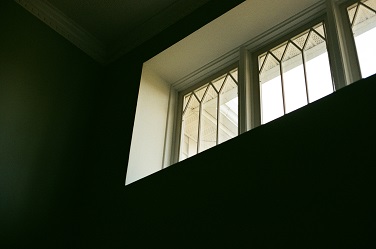
Understanding the Importance of Natural Light
Natural light benefits plays a critical role in enhancing the livability of indoor spaces, significantly impacting mood, productivity, and overall well-being. The presence of sunlight in a room not only brightens the environment but also elevates the emotional state of its occupants. Exposure to natural light is associated with increased levels of serotonin, a neurotransmitter that contributes to feelings of happiness and well-being. Research indicates that individuals who work or spend considerable time in well-lit environments tend to experience higher levels of satisfaction and lower incidences of depressive symptoms. The influence of daylight on productivity cannot be overstated. Numerous studies suggest that natural light can improve focus and cognitive function, leading to enhanced performance in tasks that require concentration. Workspaces that incorporate ample windows or skylights allow employees to benefit from the psychological effects of sunlight, fostering a more dynamic and engaging atmosphere. Furthermore, natural light can help regulate the body’s circadian rhythms, leading to better sleep patterns and increased alertness during waking hours.
From a biological perspective, exposure to daylight is crucial for maintaining proper vitamin D levels, which are essential for bone health and immune system functioning. Additionally, sufficient natural light can improve the visual comfort of living spaces, reducing the risk of eye strain and headaches associated with artificial lighting. The careful design of windows and the strategic placement of openings that invite daylight indoors not only address aesthetic considerations but also enhance health outcomes.
As people increasingly recognize the significance of natural light, incorporating thoughtful window designs in both residential and commercial buildings has become essential. Beyond aesthetics, the benefits of natural light are multi-faceted, affecting everything from mood to physical health.
Types of Window Designs That Maximize Light
Incorporating windows into home design is not merely a structural necessity but also a means to enhance the natural ambiance within a space. Among the various window designs, certain styles stand out for their ability to maximize light and contribute significantly to the home’s aesthetic appeal.
One of the most prominent designs is the floor-to-ceiling window. This design is characterized by its expansive glass panes that stretch from the floor to the ceiling, offering unobstructed views and allowing an abundance of natural light to flood into the room. Floor-to-ceiling windows are particularly effective in living rooms or open-concept spaces, where they can create a seamless connection between the indoor environment and the external landscape. These windows not only bring light but also elevate the perceived space within the room.
Another noteworthy option is the bay window, which protrudes from the main walls of the house, forming a nook that draws in light from multiple angles. Typically composed of three windows, bay designs facilitate a unique viewing perspective while inviting sunlight from the sides. This design is often favored in cozy areas such as reading nooks or dining spaces, where ample daylight can enhance the atmosphere.
Skylights also deserve mention for their ability to introduce light from above. Ideal for areas with limited wall space for traditional windows, skylights can be integrated into a variety of settings, including kitchens and bathrooms. They not only illuminate the area but also contribute to energy efficiency by reducing the demand for artificial lighting during daylight hours.
In summary, the selection of appropriate window designs can significantly impact the overall lighting of a residence. Floor-to-ceiling windows, bay windows, and skylights each have their distinct advantages and recommended applications, ensuring that homes can fully benefit from the beauty and warmth of natural light.
Selecting the Right Window Placement
Choosing the optimal placement for windows is integral to maximizing natural light in any space. A well-considered window arrangement can significantly influence the ambiance and functionality of a room. Among the various factors to consider when selecting window placement, orientation stands out as particularly crucial. Observing the path of the sun throughout the day allows homeowners to capitalize on natural light at different times, especially during peak hours.
For instance, south-facing windows generally receive more sunlight, making them ideal for living areas where warmth and brightness are desired. Conversely, east-facing windows can capture the invigorating morning sun, perfect for kitchens or breakfast nooks. Understanding the specific function of each room is essential, as spaces designated for relaxation may benefit from softer light, while workspaces may require brighter illumination.
Additionally, it is vital to evaluate any external factors that may impact light availability. Nearby structures, such as taller buildings or fences, can obstruct natural light, diminishing its effectiveness. Likewise, the presence of large trees may create shadows, affecting the interior lighting conditions. Selecting the right window placement should, therefore, involve an assessment of the surrounding environment, ensuring that the chosen position does not inadvertently obstruct light or create unwelcome glare.
Ultimately, strategically positioning windows is an art that combines thoughtful design with practical considerations. The goal is to harmoniously blend aesthetics with functionality, allowing homeowners to enjoy the soothing benefits of natural light while also enhancing the overall design of the space. A thorough understanding of these factors will lead to improved interior environments that are both inviting and energizing.
Material Matters: Choosing the Right Frames
When selecting window frames, the choice of material plays a significant role in both aesthetics and functionality. Various materials offer unique advantages and disadvantages regarding natural light entry, energy efficiency, and overall insulation performance.
Wood frames are often regarded as the traditional choice, providing excellent thermal insulation and a warm, classic appearance. They can typically be customized to fit any style, allowing for intricate designs that enhance the beauty of a room. However, wooden frames require regular maintenance, including painting or staining, to prevent deterioration from moisture.
Vinyl window frames have gained popularity due to their cost-effectiveness and low maintenance requirements. They are resistant to peeling, warping, and fading, making them a durable option for homeowners. Vinyl frames also contribute to energy efficiency, as they typically have better insulation properties than wood. However, while the range of colors is improving, they may not offer the same aesthetic appeal as wooden frames.
Aluminum frames are known for their strength and longevity. They are an excellent choice for modern designs and are particularly effective in large window applications. While they are durable, aluminum frames can conduct heat, which may decrease insulation performance in extreme temperatures unless thermal breaks are introduced. This can impact the amount of natural light affected by external temperatures.
Fiberglass frames are increasingly popular due to their robustness and energy efficiency. They expand and contract less than other materials, reducing the risk of leaks or gaps that can compromise insulation. Additionally, fiberglass can be painted or even textured to suit various design aesthetics while maintaining energy-efficient qualities.
Ultimately, the choice of window frame material should align with your design preferences, desire for natural light, and functional needs, ensuring that the selected frames enhance your living space while offering the necessary performance features.
Innovative Technologies in Window Design
Contemporary window design has undergone significant advancements due to innovative technologies that enhance both aesthetic appeal and functional performance. Among these developments, double-glazing stands out as a prominent solution. This technology involves the installation of two glass panes separated by a vacuum or an inert gas, such as argon. The primary advantage of double-glazing is its ability to provide superior thermal insulation, effectively minimizing heat loss during colder months and reducing the need for excessive heating. Consequently, it contributes notably to energy efficiency while allowing natural light to penetrate the interior spaces without excessive heat gain.
Another noteworthy innovation is low-emissivity (Low-E) glass, which plays a crucial role in controlling the amount of energy transmitted through windows. This specialized glass is coated with a thin layer of metal or metallic oxide, which reflects heat back into the interior during winter while permitting sunlight to pass through. As a result, Low-E glass enhances light transmission while optimizing energy efficiency, making it a popular choice for modern window designs. The combination of energy conservation and abundant natural light promotes a comfortable indoor environment.
Smart window solutions are also at the forefront of contemporary window technology. These windows can automatically adjust their transparency or tint based on environmental conditions, thanks to advanced sensors and control systems. By doing so, smart windows minimize glare while maximizing the ingress of natural light, thus providing optimal day lighting and reducing reliance on artificial lighting. This level of control not only enhances the aesthetic quality of a space but also significantly contributes to energy efficiency by regulating indoor temperatures.
In summary, the integration of double-glazing, Low-E glass, and smart window technologies exemplifies how innovative design solutions can harness natural light while enhancing energy efficiency. With these advancements, modern window design continues to evolve, creating comfortable, well-lit spaces in a sustainable manner.
Incorporating Architectural Features for Light Enhancement
Natural light plays a crucial role in enhancing the aesthetics and functionality of a space. To achieve an abundance of sunlight indoors, incorporating specific architectural features can significantly improve the flow of natural light. Light wells, glass blocks, and open floor plans are three prominent elements that can be effectively utilized in both new constructions and renovations.
Light wells, also known as skylights or sun tunnels, serve as vertical shafts that channel sunlight from the roof down to lower levels. These installations can dramatically increase light exposure in otherwise dark areas of a building. By strategically placing light wells in key areas, such as hallways or staircases, homeowners can enjoy an influx of ambient light while also enhancing the visual appeal of these spaces.
Glass blocks are another innovative solution that offers both light enhancement and privacy. These translucent materials allow natural light to filter through while obstructing direct views from outside. When integrated into walls or as part of partition designs, glass blocks can illuminate interior spaces without compromising privacy, making them ideal for bathrooms or interior rooms that lack windows.
Open floor plans can also be instrumental in enhancing the flow of natural light throughout a home. By removing unnecessary walls and barriers, one can create a seamless connection between living spaces, allowing light to travel freely from windows to various areas. This design strategy not only improves light distribution but also promotes a sense of spaciousness and airiness within a home.
When considering these architectural features, it is essential to assess their feasibility within the context of the existing structure. Collaborating with an architect or designer can provide insights into how best to integrate these elements, ensuring that natural light enhancement aligns with the overall vision of the space.
The Role of Window Treatments
Window treatments play a pivotal role in managing the amount of natural light that enters a space, significantly influencing the ambiance and functionality of a room. Various types of window treatments, including sheer curtains, roller shades, and blinds, can either maximize or reduce the sunlight streaming into your home, making them essential components of window designs.
Sheer curtains are a popular choice for those who wish to filter natural light while maintaining a sense of openness. These lightweight fabric panels soften sunlight, creating a gentle glow within the room without obstructing the view. Additionally, sheer curtains blend harmoniously with various window designs due to their versatility, making them suitable for both contemporary and traditional interiors.
Roller shades, on the other hand, are favored for their sleek appearance and functionality. They come in a wide range of materials and opacities, allowing homeowners to control light levels effectively. By selecting light-filtering fabrics, one can enjoy a well-lit environment while still protecting furnishings from UV damage. Roller shades also offer the advantage of being easy to operate and clean, making them a practical choice for modern living.
Blinds, including Venetian and vertical options, provide even greater flexibility in light management. The adjustable slats allow users to direct sunlight precisely where it is needed, from fully open to complete closure. Blinds are available in various materials and styles, enabling them to complement a range of window designs while meeting individual preferences for privacy and light control.
Incorporating these treatments thoughtfully can enhance window designs, ensuring a harmonious balance between aesthetics and functionality. By using a combination of sheer curtains, roller shades, and blinds, homeowners can tailor their environments to embrace natural light in a way that suits their needs, ultimately creating welcoming and energy-efficient spaces.
Landscaping for Light Accessibility
Landscaping plays a pivotal role in influencing the amount of natural light that enters a home. Thoughtful outdoor designs, including the strategic placement of trees, shrubs, and garden layouts, can significantly enhance or impede light accessibility through windows. For homeowners seeking a balance between maintaining privacy and maximizing natural light, it is essential to consider various landscaping options.
When selecting trees to plant near windows, it is crucial to consider their mature height and canopy spread. Deciduous trees, such as maples or oaks, can be excellent choices as they provide shade during the summer months while allowing sunlight to filter through in winter after their leaves have fallen. This seasonal shift can optimize natural light in the home throughout the year. Conversely, evergreen trees can obstruct light year-round; thus, their placement should be carefully considered, especially in relation to south-facing windows.
In addition to tree selection, the use of shrubs and ornamental plants can also impact light accessibility. Lower shrubs positioned strategically can serve to create a natural screen while not obstructing views or light from windows. Layered landscaping, incorporating various plant heights, can create an aesthetically pleasing design that maintains an openness to sunlight. Incorporating reflective surfaces, such as light-colored stone or gravel, can also help bounce light into the home, enhancing the effects of natural light on interiors.
Finally, it is worth considering garden design elements that facilitate light access. Open garden layouts or the use of garden trellises can help ensure that sunlight reaches windows unobstructed. Selecting a mix of plant varieties that complement each other in both size and spread can cultivate an ideal balance between privacy and light accessibility. By understanding how landscaping choices affect window light, homeowners can create an environment that is both inviting and warm, effectively utilizing natural light throughout their living spaces.
Conclusion: Designing for Light and Lifestyle
Integrating thoughtful window design into living spaces is crucial for enhancing both aesthetic appeal and functionality. Windows serve as vital conduits for natural light, playing a significant role in creating an inviting atmosphere that influences the mood and overall ambiance of a home. Furthermore, the strategic placement and design of windows can lead to improved energy efficiency, reducing dependency on artificial lighting and, consequently, lowering energy bills.
When considering window designs, it is important for homeowners to reflect on their personal lifestyle needs. For instance, families with children or pets may benefit from larger, secure windows that allow ample light while also promoting safety. Similarly, individuals working from home might require a specific lighting environment that fosters productivity and comfort. By tailoring window designs to suit these unique requirements, homeowners can create environments that support their daily activities.
Aesthetic preferences must also be considered in the quest for optimal natural light. Architectural styles vary widely, and finding a window design that complements the existing structure enhances the visual harmony of a home. Options such as bay windows, floor-to-ceiling windows, or skylights can bring in abundant light while serving as design focal points. It is essential to strike a balance between form and function to ensure that the chosen designs fulfill both practical and stylistic purposes.
Lastly, the health benefits associated with maximizing natural light cannot be overlooked. Exposure to daylight has been linked to improved mood, increased productivity, and enhanced well-being. By embracing thoughtful window design, homeowners can cultivate spaces that are not only visually appealing but also nurturing to their overall health and lifestyle. Therefore, considering these elements will ultimately promote a more fulfilling living experience.