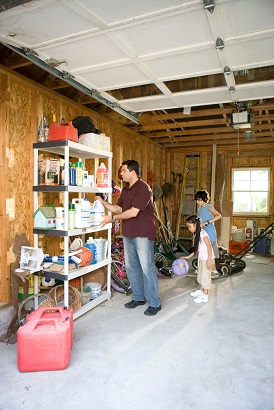
Assessing Your Garage Space
To effectively organize your garage, it is crucial to first assess the available space thoroughly. This evaluation involves several steps that will inform your subsequent garage organization strategy. Begin by measuring the dimensions of your garage, noting the height, width, and depth. Allowing yourself a comprehensive understanding of the space will help determine the best use of your garage. After securing the measurements, the next step is to take inventory of the items currently stored inside your garage. This process not only highlights what you possess but also aids in identifying any duplicates or non-essential items. Sorting through your belongings can be overwhelming, so break it down into categories such as tools, seasonal items, sports equipment, and household supplies. Use labeled bins to collect each category, making it easier to visualize the quantity and types of items you have.
Once you have categorized your items, it becomes essential to differentiate between what is vital and what can be classified as non-essential. Consider the frequency of use for each item. Essential items are those that you frequently rely on, while non-essential items might include things like old toys or equipment that has not been utilized in over a year. This assessment will allow you to make informed decisions on decluttering, ensuring that only necessary items remain in your garage. Dispose of, donate, or sell any items deemed unnecessary, thus creating extra space.
Overall, this initial evaluation of your garage will serve as the cornerstone for a well-organized and functional space. By measuring, taking inventory, and distinguishing essential items, you can devise an effective organization plan that maximizes your garage’s utility.
Decluttering Your Garage
Decluttering is a critical first step in organizing your garage effectively. It is important to approach this task methodically to maximize efficiency and minimize stress. Begin by setting aside a dedicated time to focus solely on this project. Choose a day or a weekend where you can dedicate several uninterrupted hours to the decluttering process.
Start by emptying your garage space, if possible. This allows you to see every item you own and provides a blank canvas to evaluate what truly needs to remain. As you sort through the items, consider categorizing them into three groups: keep, donate, and discard. Items that are broken, outdated, or no longer serve a purpose should go into the discard pile. This helps clear unnecessary clutter and makes space for items that you actually use.
For the items designated for donation, determine local charities or organizations that accept such items. Ensuring these items are disposed of responsibly is essential, not just for organization but for environmental sustainability. Use clear bins or boxes to store your donations, marking them clearly. This will make it easier when you’re ready to drop them off.
When it comes to hazardous materials or large items that can pose potential risks, it is crucial to handle them with care. Check for local municipal guidelines on the disposal of hazardous materials such as chemicals, paints, or batteries. Many communities offer special collection days for these items. For large items that are no longer needed, explore local recycling options or connect with services that can assist with disposal.
Ultimately, decluttering is about making conscious decisions on each item in your garage. Prioritize your needs and space, and this will set a strong foundation for the organization process that follows.
Categorizing Your Items
Organizing a garage can often feel overwhelming due to the sheer volume and variety of items stored within it. A practical approach to tackle this challenge is through effective categorization. By grouping similar items together, you can streamline the entire organization process and ensure that accessing and retrieving items becomes a more manageable task.
Start by surveying the contents of your garage and identify groups of items that naturally belong together. For example, consider sectioning off areas for tools, seasonal decorations, sports equipment, and outdoor gear. Each category can then be organized in a way that prioritizes ease of access. For instance, tools used regularly should be placed in easily reachable areas, while infrequently used seasonal decorations can be stored higher up or towards the back.
Another helpful strategy is to use clear bins for each category, labeling them appropriately to reflect their contents. This is particularly advantageous when dealing with smaller, similar items, as it allows you to see exactly what you have at a glance. By using uniform storage solutions, you maintain a clean aesthetic while also making it easier to locate specific items. Additionally, incorporating shelves or pegboards can further enhance organization, providing designated spaces for tools and frequently used items.
The benefits of organizing your garage through categorization extend beyond mere tidiness. This structure allows for quick access to what you need when you need it, ultimately facilitating a smoother workflow for any projects or activities you undertake. Furthermore, it minimizes the risk of items being lost or forgotten, making your garage a more functional and enjoyable space.
Choosing the Right Storage Solutions
When organizing a garage, selecting appropriate storage solutions is crucial for maximizing space and maintaining accessibility. The market offers a variety of options tailored to meet different needs, preferences, and available space. Understanding each type can help you make informed decisions that enhance your garage’s functionality.
Shelving units are a staple in any organized garage. They allow for vertical storage, which is especially useful in areas with limited floor space. Look for sturdy, adjustable shelving that can accommodate heavy items such as tools and equipment. Materials like metal or high-quality plastic provide durability, ensuring that your unit remains intact even under heavy load.
Bins are another excellent option for garage organization, allowing you to categorize and store items effectively. Clear plastic bins can be particularly advantageous, as they offer visibility, making it easier to locate items quickly. It’s beneficial to choose bins that are stackable for better space utilization while labeling each bin helps in identifying the contents easily.
Cabinets can add a level of security and protection for more valuable items, keeping them safely out of reach. Opt for cabinets with locking mechanisms if you need to safeguard tools or chemicals. Ensure the material is weatherproof if your garage experiences fluctuations in temperature or humidity, as this can affect the longevity of stored items.
Pegboards are a versatile storage solution, ideal for tools and frequently used items. They provide easy access and can be customized with hooks and shelves to fit your specific needs. Utilizing pegboards can significantly reduce clutter, as tools can be hung rather than taking up precious space on work surfaces.
Finally, modular storage systems offer an innovative way to create a customized garage layout. These systems are adjustable and can be expanded over time, enabling you to adapt to changing storage demands. Consider the capacity and accessibility of each modular component when planning your garage organization.
Maximizing Vertical Space
Utilizing vertical space in your garage can significantly enhance organization by freeing up valuable floor space. Wall-mounted shelves are an effective way to achieve this. They provide a sturdy platform to store bins, tools, or any other equipment that can be easily accessed while keeping them off the ground. When installing shelves, ensure they are securely fastened to withstand the weight of the items you intend to store.
Another practical option is to invest in overhead storage racks. These racks can be installed high above the garage door or on the ceiling, turning often unused space into a functional storage area. Overhead racks are particularly advantageous for seasonal items such as holiday decorations or camping gear, which do not require frequent access. However, it’s essential to assess the height and weight capacity of these racks to avoid accidents.
In addition to shelves and racks, incorporating hooks into your garage organization strategy can greatly enhance vertical space utilization. Hooks can be used to hang bicycles, tools, and ladders, keeping them readily available and organized. When using hooks, consider grouping similar items together to facilitate easy retrieval and maintain a tidy environment.
Safety should always be a priority when maximizing vertical space. Ensure that all heavy items are stored securely and positioned so they are not at risk of falling. This not only helps in maintaining order but also reduces the likelihood of injury. By thoughtfully applying these techniques, you can transform your garage into a more functional and efficient space, making the most out of every available square foot.
Organizing Tools and Hardware
When it comes to organizing tools and hardware in a garage, a systematic approach can not only save time but also enhance efficiency. One of the most effective ways to organize tools is by using toolboxes. Opt for sturdy, compartmentalized toolboxes that can hold larger tools securely while keeping smaller items organized within designated sections. This can greatly facilitate quick access to essential tools during projects. Moreover, consider selecting a toolbox that is portable, allowing you to transport tools as needed.
Another practical organization technique involves the use of pegboards. Installing a pegboard on a wall provides a versatile storage solution that keeps tools visible and easily accessible. Hooks can be adjusted or relocated according to your needs, allowing for customized tool arrangement. With a pegboard system in place, users can hang various tools, such as hammers, pliers, and wrenches, ensuring they are off the ground and neatly arranged. This not only declutters the workspace but also allows for quick identification.
In addition to larger tools, smaller hardware items such as screws, nails, and washers can be easily organized using labeled containers. Clear plastic bins or drawer organizers work well for this purpose. Label each container according to the type of item it contains, making it straightforward to locate the necessary components. Furthermore, consider grouping similar items together, which not only maximizes efficiency but also minimizes the chances of losing track of small hardware items.
For tools that are frequently used, magnetic strips can be a useful organizational feature, providing a quick access point for metallic tools such as screwdrivers and scissors. By implementing these organizing techniques in your garage, you can maintain a well-structured space that enhances productivity and simplifies project execution.
Seasonal and Occasional Items Storage
Organizing a garage effectively entails the management of seasonal and occasional items, such as holiday decorations, sports gear, and gardening tools. These items, while important, are not regularly used and can easily clutter your space if not stored properly. A strategic approach to storing these items can significantly enhance the functionality of your garage.
Firstly, invest in sturdy storage bins or boxes that are suitable for long-term storage. Select clear bins if possible, as they allow for easy visibility of the contents. When dealing with holiday decorations, consider separating these items by season, which simplifies access when it’s time to set up for festivities. For example, you might use one box for Christmas decorations and another for Halloween, ensuring each set of decoration is stored appropriately.
Another effective method is to label your boxes clearly. Labeling not only aids in quick identification but also helps prevent unnecessary rummaging through various items in search of what you need. Utilize a marker or printed labels that detail the box contents, and attach them prominently on the front. This practice is beneficial for items that are seldom used, such as camping gear or seasonal clothing. Keeping these items out of easy reach, but organized, allows you to optimize the space for everyday items.
Moreover, creating a designated area within the garage specifically for these rarely used items enhances organization. This could involve establishing a high shelf or an upper compartment in a storage unit, allowing you to maximize vertical space while keeping your daily-use items easily accessible. By organizing your garage in this manner, you not only clear out clutter but also ensure that your seasonal and occasional items are efficiently stored, ready to be utilized when needed.
Maintenance and Reorganization Tips
Maintaining an organized garage requires ongoing effort and strategic planning. To ensure that your space remains functional and clutter-free, it is essential to establish a regular cleaning schedule. Consider designating a specific day each month to conduct a thorough check of your garage. During this time, assess the items you have stored, and identify any that may no longer serve a purpose. This practice not only prevents accumulation of unnecessary items but also promotes an efficient organization system.
As your needs evolve, so too should your organizational strategies. For example, seasonal changes may necessitate the rearrangement of items. In winter, heavy-duty equipment such as shovels and salt can be prioritized, while summer items like outdoor gear can be more accessible. Adapting your organization according to seasonal requirements allows for a more practical use of the garage space, accommodating different tools and items appropriately.
While planning for regular clean-ups is crucial, it is equally important to conduct periodic assessments of the items you possess. A good rule of thumb is to review your stored possessions every six months. During these reviews, ask yourself whether each item is used regularly, and if not, consider donating or discarding it. This habit will help maintain a level of organization within the garage, allowing for an efficient space where necessary tools and equipment remain readily accessible.
Establishing a system that tracks seasonal items and their usage patterns enhances organization. Using clear bins for visibility and labeling helps streamline your garage arrangement. Incorporating hooks, racks, and shelving can further optimize available space. Ultimately, consistent maintenance and a willingness to adapt your organization methods will ensure your garage remains an uncluttered and functional area of your home.
Additional Resources and Tools
For individuals looking to refine their garage organization efforts, numerous resources and tools can offer valuable assistance. Libraries and bookstores typically have a selection of books dedicated to home organization, particularly focused on maximizing space in garages and similar areas. Some popular titles include “The Complete Book of Home Organization” by Toni Hammersley and “Decluttering at the Speed of Life” by Dana K. White. These books provide practical tips and insights to help individuals develop a more organized and efficient garage space.
In the realm of digital resources, numerous websites specialize in home organization tips. Websites such as The Spruce and Good Housekeeping frequently publish articles featuring innovative ideas for garage storage solutions. Moreover, platforms like Pinterest serve as excellent sources of inspiration; users can browse through countless images and tutorials that outline diverse organization strategies, often featuring step-by-step guides to execute particular systems effectively.
For those who prefer utilizing physical tools, investing in sturdy shelving units, storage bins, and wall-mounted organizers can significantly enhance garage usability. Brands such as Rubbermaid and Sterilite offer a variety of storage solutions that cater to different needs and preferences. Moreover, a multitude of garage organization systems is available in home improvement stores like Home Depot and Lowe’s.
Additionally, local services can be incredibly beneficial to those overwhelmed by the task. Companies specializing in home organization can provide not only labor but also tailored solutions specific to an individual’s garage. Websites like Angie’s List or HomeAdvisor can connect users with reputable local professionals willing to assist in transforming a cluttered garage into an organized space.