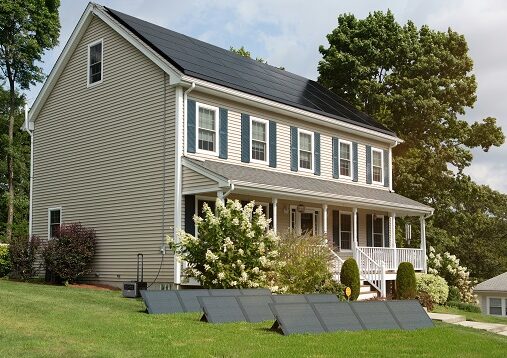
Introduction to Sustainable Living
Sustainable living, a philosophy that emphasizes minimizing our environmental footprint, is increasingly vital in confronting the myriad of ecological challenges facing our planet. The effects of climate change, such as extreme weather patterns, rising sea levels, and loss of biodiversity, along with issues related to resource depletion, pose significant threats not only to natural ecosystems but also to human health and well-being. In light of these pressing concerns, adopting sustainable practices in our homes emerges as a crucial step in mitigating these environmental issues. Building a sustainable home involves a holistic approach to design, construction, and maintenance, which aims to promote energy efficiency, reduce waste, and utilize renewable resources. Sustainable housing incorporates features such as efficient insulation, solar power systems, water conservation measures, and the use of eco-friendly materials. These practices not only lessen the burden on the environment but also create spaces that are healthier and more comfortable for inhabitants.
The importance of sustainable living extends beyond individual households; it creates a ripple effect that positively influences communities and encourages more extensive systemic changes. By investing in sustainable homes, individuals can contribute to a collective movement toward environmental stewardship, paving the way for a more resilient future. As we delve deeper into actionable tips for building a sustainable home, the foundational principles of sustainable living will guide our exploration of practical strategies. This journey not only aims to elevate personal well-being but also to foster a healthier planet for future generations.
Assessing Your Environmental Impact
Before embarking on the journey toward creating a more sustainable home, it is essential to first measure your current environmental footprint. Understanding how your home affects the environment can help identify areas that require improvement and guide the subsequent changes you will make. This process typically involves conducting an energy audit, while also assessing your water usage, waste production, and greenhouse gas emissions.
An energy audit serves as a critical first step in determining the efficiency of your home’s energy consumption. Various methods exist for conducting an energy audit, ranging from a DIY approach to hiring a professional auditor. Homeowners can begin by examining their utility bills to track monthly energy usage patterns. Alternatively, they can utilize energy audit tools and apps that help quantify energy consumption across different appliances and systems. A thorough assessment will reveal not just how energy-efficient your home is, but also where improvements can be made, such as adding insulation or upgrading to energy-efficient appliances.
Next, evaluating water usage is important for understanding your home’s sustainability. This can be accomplished by checking your water bill, and conducting simple assessments such as measuring water flow rates from faucets and showerheads. Minor adjustments, like installing low-flow fixtures or examining irrigation systems, can significantly reduce water consumption, thus enhancing sustainability.
Furthermore, it is vital to assess waste production and greenhouse gas emissions. Homeowners can keep track of the amount of waste generated, and look for recycling and composting opportunities to minimize landfill contributions. Additionally, calculating your carbon footprint can provide insights into greenhouse gas emissions linked to energy usage and waste disposal.
Ultimately, identifying specific areas within your home that require improvement will lay the groundwork for effective sustainability changes. By diligently assessing your environmental impact, you pave the way for a more sustainable lifestyle.
Choosing Sustainable Materials
When constructing or renovating a home, the choice of materials plays a pivotal role in achieving sustainability. Utilizing sustainable materials not only minimizes environmental impact but also enhances the durability and health aspects of a home. Some key materials to consider include bamboo, reclaimed wood, recycled metal, and low-VOC (volatile organic chemicals) paints.
Bamboo is an exceptionally sustainable material, as it grows rapidly and can be harvested without damaging the plant’s root system. This makes it a renewable resource that contributes significantly to reducing deforestation. Its strength and flexibility make it a suitable choice for various applications, such as flooring and cabinetry.
Reclaimed wood is another excellent option, as it repurposes existing timber from old structures, thereby reducing the need for new lumber and diverting waste from landfills. This material not only possesses unique character and charm but also has a lower carbon footprint than newly harvested wood. It is crucial, however, to ensure that reclaimed wood comes from a reliable source to avoid issues such as chemical contamination.
Recycled metal, which can be used for roofing, siding, and structural elements, is durable and often requires less energy to produce compared to new metal. Furthermore, it can withstand harsh weather conditions, offering long-term benefits. Low-VOC paints are essential for maintaining indoor air quality, as they reduce harmful emissions while providing a variety of color options.
When sourcing sustainable materials, consider contacting local suppliers and specialty stores focused on eco-friendly products. Certifications like Forest Stewardship Council (FSC) for wood and Global GreenTag for paints can help ensure that you choose materials that meet recognized sustainability standards. By integrating these sustainable options into construction or renovation projects, homeowners not only contribute to environmental conservation but also foster a healthier living environment.
Energy Efficiency Upgrades
Implementing energy-efficient upgrades in a home is one of the most effective ways to reduce energy consumption while promoting sustainability. Homeowners can start by improving insulation, which plays a crucial role in maintaining indoor temperatures. Proper insulation can significantly reduce heating and cooling costs, with some estimates suggesting savings of up to 20% on energy bills.
Next, investing in energy-efficient windows and doors can substantially lower energy loss. According to the U.S. Department of Energy, roughly 25% to 30% of residential heating and cooling energy use can be attributed to inefficient windows. By upgrading to double- or triple-pane windows and well-sealed doors, households can achieve substantial energy savings over time. Energy Star-rated products offer a reliable benchmark for homeowners seeking to make informed choices.
Another noteworthy upgrade is the installation of solar panels, which harness renewable energy and can dramatically decrease a home’s reliance on fossil fuels. The Solar Energy Industries Association indicates that residential solar installations have significantly increased in recent years, with potential savings of over $30,000 for homeowners over the lifetime of the solar system. Not only do solar panels decrease monthly utility bills, but they also add value to the property.
Incorporating smart home technology can further optimize energy consumption. Smart thermostats, for example, allow homeowners to remotely control heating and cooling systems, leading to improved energy efficiency. Studies have shown that homes with smart thermostats can save an average of 10-12% on heating costs and about 15% on cooling. By investing in these advanced technologies, homeowners can smoothly transition to a more sustainable lifestyle.
Implementing these energy-efficient upgrades not only contributes to significant cost savings and environmental benefits but also enhances overall living comfort, making them worthwhile investments for any homeowner striving for sustainability.
Water Conservation Strategies
Water conservation is a critical component of building a sustainable home. Implementing effective strategies not only contributes to environmental preservation but can also lead to significant reductions in utility bills. One of the most straightforward methods to initiate water conservation is through the installation of low-flow fixtures. These fixtures include low-flow faucets, showerheads, and toilets that significantly reduce water usage without compromising performance. By integrating these fixtures throughout the home, homeowners can achieve up to 50% reduction in water consumption, leading to substantial cost savings over time.
Another effective strategy is rainwater harvesting, which involves collecting and storing rainwater from roofs for various non-potable uses such as irrigation or toilet flushing. A properly designed rainwater harvesting system can significantly decrease dependence on municipal water sources, particularly in regions prone to drought. The collected rainwater can also alleviate pressure on local water reservoirs, allowing for more sustainable water management practices within the community.
Xeriscaping is a landscaping practice that focuses on using drought-resistant plants, native species, and efficient irrigation techniques to minimize water usage. By designing gardens that require less irrigation, homeowners can conserve water while encouraging biodiversity and reducing maintenance needs. Implementing xeriscaping not only aids in effective water conservation but enhances the aesthetic appeal of the home, creating inviting outdoor spaces that thrive in local climates.
In summary, the incorporation of low-flow fixtures, rainwater harvesting systems, and xeriscaping are essential strategies for water conservation within the home. These practices not only lead to significant reductions in water consumption and lower utility bills but also contribute to the sustainability of local water resources. Engaging in these initiatives can help foster a culture of environmental responsibility and inspire others to follow suit.
Waste Reduction Practices
Reducing waste within the home is a fundamental step towards building a more sustainable lifestyle. There are various effective methods that homeowners can employ to minimize waste, thus contributing to environmental sustainability. First, composting is an excellent practice for managing organic waste. By converting kitchen scraps, yard waste, and other biodegradable materials into nutrient-rich compost, homeowners can divert a substantial amount of waste from landfills while enriching their garden soil simultaneously.
In addition to composting, recycling plays a crucial role in waste reduction. Homeowners should familiarize themselves with local recycling guidelines to ensure that materials such as paper, glass, and plastics are properly sorted and disposed of. Establishing a recycling station within the home can facilitate this process, making it easier for families to participate actively in recycling efforts.
Moreover, minimizing the use of single-use products significantly contributes to waste reduction. Opting for reusable alternatives—such as cloth bags, stainless steel water bottles, and glass containers—can greatly reduce the amount of disposable waste generated. Furthermore, being mindful during shopping can help homeowners make better choices that align with sustainable practices. This includes prioritizing products with minimal packaging or opting for items manufactured from recycled materials.
At the core of these practices lies the concept of a circular economy, which emphasizes the importance of resource preservation by keeping materials in use for as long as possible. Homeowners can actively contribute to this movement by making thoughtful purchasing decisions, embracing repair and refurbishment, and participating in community sharing initiatives. By adopting these waste reduction practices, homeowners not only minimize their environmental impact but also inspire others within their community to follow suit and create a more sustainable future.
Creating a Sustainable Outdoor Space
When considering how to make a home more sustainable, it is essential to extend those efforts to outdoor areas, transforming gardens, patios, and yards into eco-friendly spaces. One of the foremost strategies in achieving sustainability outdoors is by incorporating native plants into landscaping. These plants are adapted to the local environment and require fewer resources, such as water and fertilizers, to thrive. Furthermore, native plants support local wildlife, promoting biodiversity and creating a balanced ecosystem within your outdoor area.
In addition to selecting appropriate flora, practicing organic gardening principles is vital for creating a sustainable outdoor space. This approach emphasizes the omission of synthetic pesticides and fertilizers, opting instead for natural alternatives. Composting kitchen scraps and yard waste enriches the soil, resulting in healthier plants that yield a bountiful harvest without harmful chemicals. It also minimizes waste sent to landfills, making it a pragmatic choice.
Another effective sustainable practice is permaculture, which entails designing garden layouts that mimic natural ecosystems. By integrating crops, fruit trees, and even small livestock, homeowners can create a self-sustaining environment that reduces dependency on external inputs. Combining permaculture methods with seasonal planting can maximize yields while minimizing the environmental impact.
Furthermore, energy-efficient outdoor lighting plays a crucial role in sustainable outdoor spaces. Utilizing LED lamps and solar-powered lighting can significantly lower energy consumption while enhancing the beauty and usability of patios and yards. These fixtures not only provide illumination but also contribute to creating a welcoming atmosphere for evening gatherings.
In conclusion, developing a sustainable outdoor space is achievable through thoughtful choices in plant selection, gardening practices, and energy-efficient lighting. By making these conscious decisions, it is possible to create an outdoor environment that is not only eco-friendly but also aesthetically pleasing and functional, allowing for enjoyable time spent in nature while promoting a healthier planet.
The Role of Renewable Energy Sources
Incorporating renewable energy sources into a home is a key strategy for reducing reliance on fossil fuels and minimizing the overall carbon footprint. Homeowners have several viable options, including solar, wind, and geothermal energy, each offering unique benefits and considerations.
Solar energy is one of the most accessible forms of renewable energy for residential use. Solar panels harness sunlight and convert it into electricity, which can be used to power home appliances or heating systems. Many homeowners can take advantage of government incentives and rebates that make the initial investment more affordable. For instance, the Federal Investment Tax Credit (ITC) allows homeowners to deduct a significant percentage of the installation cost from their federal taxes. Additionally, states and local governments often offer supplementary incentives such as grants or property tax exemptions.
Wind energy also represents a powerful option for homeowners, particularly in areas with consistent wind patterns. Installing a small wind turbine can generate sufficient energy to reduce dependence on traditional electricity sources. Homeowners may encounter upfront costs related to the installation and zoning regulations; however, they can offset these expenses via state and federal tax credits, as well as various financing options tailored for renewable energy projects.
Geothermal energy is another innovative approach that utilizes the Earth’s constant temperature to provide heating and cooling. This system relies on buried pipes that circulate fluid to absorb or dissipate heat, effectively regulating indoor climates throughout the year. While geothermal systems tend to require a higher initial investment, they often yield significant savings on energy bills over time and qualify for various financial incentives, including low-interest loans.
Overall, homeowners looking to implement renewable energy solutions have diverse options. By leveraging these technologies, they can not only contribute to a more sustainable environment but also benefit financially through state and federal incentives, making renewable energy an appealing and responsible choice for any home.
Final Thoughts and Next Steps
Building a more sustainable home is not merely a trend but a necessity as we strive for a healthier planet and a better living environment. Throughout this blog post, we have explored various strategies to enhance energy efficiency, reduce waste, and utilize sustainable materials. By making informed choices and taking the necessary steps, every homeowner can contribute positively to individual and collective sustainability goals.
One of the key takeaways is that integrating energy-efficient appliances and renewable energy sources can significantly reduce your home’s carbon footprint. Consider options such as solar panels, energy-efficient lighting, and smart thermostats. These innovations not only benefit the environment but can also lead to considerable savings on utility bills over time.
Furthermore, opting for low-impact, sustainable building materials during renovations or new constructions is paramount. By selecting indigenous and reclaimed materials, homeowners can minimize environmental harm and contribute to local economies. Small adjustments like improving insulation, implementing rainwater harvesting systems, or creating a composting setup can dramatically enhance sustainability without requiring a complete overhaul of your home.
We encourage you to initiate small changes, gradually progressing towards major renovations that align with sustainable practices. Taking these actionable steps is crucial as they pave the way for a larger movement towards eco-friendly living. For further reading, various online resources are available that delve into sustainable practices and home improvement tips. Additionally, organizations such as the U.S. Green Building Council and Energy Star offer programs and guidance to assist you in making sustainable choices.
In conclusion, a sustainable home reflects personal values while benefiting the environment. By adopting these strategies and leveraging available resources, you are well on your way to making a positive impact.