


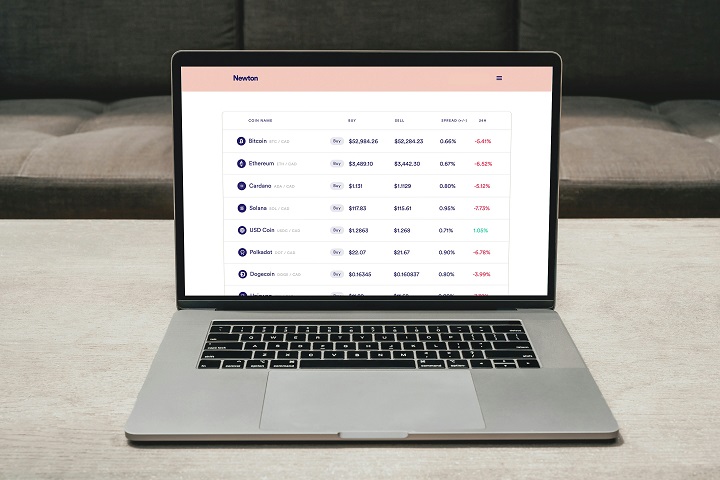
In the ever-evolving landscape of blockchain technology and cryptocurrency, the concept of crypto niches plays a vital role in defining opportunities for growth and profit. Crypto niches refer to specific segments or applications of cryptocurrency that cater to particular interests, problems, or user requirements. These niches can range from decentralized finance (DeFi) to non-fungible tokens (NFTs), each possessing unique characteristics that influence their profitability and relevancy in the market.
The significance of exploring various crypto niches cannot be overstated, as they offer investors and entrepreneurs pathways to capitalize on emerging trends and technologies within the cryptocurrency sphere. Some niches provide higher profit potentials owing to their novelty, adoption rates, and the technological innovations they present. For instance, the DeFi space has witnessed a surge in interest due to its capacity to reshape traditional financial systems through decentralized networks, while NFTs have captured attention by transforming digital art and collectibles into tradable assets.
Additionally, as the cryptocurrency market continues to mature, the demand for specialized knowledge in distinct niches has grown. This complexity presents unique opportunities for individuals and companies willing to invest time in understanding these areas. Consequently, recognizing which crypto niches are potentially profitable can provide a competitive edge, allowing for informed decision-making in investment strategies and entrepreneurial ventures.
In the following sections, we will delve deeper into specific crypto niches that have garnered attention for their lucrative opportunities, assessing their current market trends, technological underpinnings, and the potential benefits they offer to those engaged in the cryptocurrency sector. By identifying and understanding these profitable crypto niches, investors and entrepreneurs will be better equipped to navigate the dynamics of the digital economy.
Decentralized Finance (DeFi)
Decentralized Finance, commonly referred to as DeFi, represents a revolutionary shift in the financial landscape, leveraging blockchain technology to recreate and improve upon traditional financial systems. At its core, DeFi utilizes smart contracts on the blockchain, enabling users to engage in a plethora of financial activities without the need for intermediaries, such as banks. This approach enhances accessibility, allowing users from all over the globe to access financial services that were previously unattainable.
The fundamental components of DeFi include lending, borrowing, and yield farming. In lending and borrowing, users can supply their assets to decentralized platforms in exchange for interest, or they can borrow assets against collateral without going through a credit check. This model allows participants to generate passive income through their crypto holdings, thus providing an attractive option for investors.
Yield farming, on the other hand, involves providing liquidity to DeFi protocols in exchange for rewards, often paid in tokens. By participating in yield farming, users can maximize their returns by strategically shifting their investments between various pools, depending on the prevailing market conditions. Some of the leading DeFi platforms offering such opportunities include Aave, Compound, and Uniswap. These protocols have garnered significant attention and investments, showcasing the lucrative opportunities within the DeFi space.
Moreover, projects like Yearn Finance have emerged to optimize yield farming across multiple platforms, providing users with automated strategies aimed at maximizing their returns. As the DeFi niche continues to evolve, it is becoming increasingly imperative for investors to educate themselves about the associated risks and potential rewards, as this sector holds immense opportunities for those willing to navigate its complexities. In conclusion, DeFi not only empowers users with unprecedented financial independence but also represents a significant area of potential profits for savvy investors in the cryptocurrency space.
Non-Fungible Tokens (NFTs)
Non-Fungible Tokens, commonly known as NFTs, represent a unique category of digital assets that have garnered significant attention in recent years. Unlike traditional cryptocurrencies such as Bitcoin or Ethereum, which are fungible and can be exchanged on a one-to-one basis, NFTs possess unique attributes that set them apart. Each NFT is a distinct token that cannot be replicated, making them ideal for representing ownership of specific items or pieces of digital content, including art, music, videos, and collectibles.
The rise of the NFT market has opened new avenues for various groups, notably artists, gamers, and collectors. Artists have found an innovative way to showcase and sell their works using NFTs, eliminating the need for intermediaries. This has empowered creators by allowing them to maintain control over their intellectual property while receiving direct compensation for their efforts. Similarly, gamers have embraced NFTs as a way to buy, sell, and trade in-game items, enhancing their digital experiences and financial opportunities.
Collecting NFTs has become a burgeoning hobby for many, with digital artwork and collectibles fetching staggering prices at auctions. These transactions not only highlight the speculative nature of the NFT market but also underscore the connection between ownership, authenticity, and value. However, venturing into the NFT market requires careful consideration and awareness of potential risks, including market volatility and the possibility of illiquid investments.
For those interested in exploring this intricate niche, it is essential to research platforms that facilitate NFT transactions, such as OpenSea, Rarible, and Foundation. Additionally, understanding the underlying technology behind NFTs, which is often based on blockchain, can provide insights into their functionality and security. Aspiring investors and creators should also develop a strategy for entering the market, gauging the community and trends that can influence the value of specific NFTs.
Blockchain Gaming
The convergence of gaming and blockchain technology has given rise to a vibrant segment that is reshaping how players engage with games. The concept of blockchain gaming primarily revolves around play-to-earn models, wherein gamers earn tangible rewards through their in-game activities. Unlike traditional gaming, where players often invest time and money without tangible returns, blockchain games offer a paradigm shift that incentivizes skillful play and active participation.
Several successful blockchain games exemplify this evolving landscape. Titles such as Axie Infinity, Decentraland, and The Sandbox allow players to earn crypto tokens while enjoying immersive gaming experiences. In these environments, users can trade, collect, and breed digital assets, fostering not only community engagement but also significant economic opportunities. The use of non-fungible tokens (NFTs) in these games has further catalyzed a marketplace where unique items hold real-world value, enabling players to monetize their gaming achievements.
Players can interact with these games in various capacities, with earnings contingent upon gameplay mechanics and strategies employed. As they develop skills, players can either accumulate assets that appreciate over time or convert their earnings into cryptocurrencies. This not only enriches the gaming experience but also opens up avenues for gamers to attain a steady income through their passion.
Furthermore, the potential for investments in gaming tokens has garnered the interest of investors looking to capitalize on the growing sector. As blockchain gaming continues to expand, lucrative opportunities to invest in tokens associated with these games become increasingly attractive. This creates a unique intersection where gaming enthusiasts and financial investors can collaboratively thrive in a dynamic digital economy.
Cryptocurrency Staking
Cryptocurrency staking is a process in which holders participate in the network validation of transactions for a particular blockchain. By locking up their coins in a digital wallet, users can earn rewards while contributing to the blockchain’s overall security and efficiency. This method is notable within the proof-of-stake (PoS) consensus model, which is becoming increasingly popular among various cryptocurrencies.
The advantages of staking are manifold. Primarily, it allows cryptocurrency holders to earn passive income through staking rewards, which can accumulate significantly over time. Unlike mining, which requires substantial energy and resources to validate transactions, staking is more environmentally friendly and accessible to a broader audience. For example, Ethereum is transitioning from proof of work to proof of stake, illustrating a shift among many major cryptocurrencies toward staking as a viable option for income generation.
Popular staking cryptocurrencies include Cardano (ADA), Polkadot (DOT), and Tezos (XTZ). Each of these coins offers unique features and community-driven projects that can appeal to investors. To stake effectively, interested parties should select a reliable staking platform or wallet that carries these cryptocurrencies. Some notable platforms for staking include Binance, Kraken, and Coinbase, which provide user-friendly interfaces and competitive staking rewards.
To maximize earnings from staking, investors should consider various strategies, such as optimizing their staking duration, understanding the lock-up periods required by different cryptocurrencies, and calculating the annual percentage yields (APY) associated with each coin. Engaging in staking pools can also enhance earnings, as pooling resources with other investors can lower the entry barrier while increasing the rewards earned. Overall, participating in cryptocurrency staking can be a lucrative avenue for those looking to generate passive income, provided they conduct thorough research and choose their staking assets wisely.
Crypto Affiliate Programs
In the evolving landscape of digital currency, crypto affiliate programs offer an attractive avenue for individuals seeking to generate substantial online income. These programs enable marketers to earn commissions by promoting various cryptocurrency services and products, ranging from exchanges and wallets to educational courses and trading tools. By joining a crypto affiliate program, individuals can leverage their online presence to drive traffic and conversions, thus benefiting from the booming industry.
Understanding how crypto affiliate marketing operates is crucial. Typically, affiliates receive a unique referral link that tracks their promotional efforts. When referred users click on this link and engage with the service—be it signing up, trading, or making a purchase—the affiliate earns a commission based on the specific agreement. Commissions can vary significantly, with some programs offering a flat fee per sale while others provide a percentage of the initial sale or ongoing commissions based on repeat business. Such programs can yield impressive earnings, particularly as the cryptocurrency market continues to expand.
To successfully promote cryptocurrency products and services, affiliates should focus on their target audience’s interests and needs. Creating quality content that educates potential users about the benefits of crypto services can build trust and encourage engagement. Additionally, utilizing various marketing channels such as blogs, social media, and email newsletters can enhance reach and visibility. Affiliates should also stay updated on industry trends and developments to create relevant and timely content that resonates with their audience.
Engagement with the community through forums and social media platforms will further establish credibility and authority in the niche, enabling affiliates to effectively communicate the value of the products they advocate. By thoughtfully combining these strategies, participants in crypto affiliate programs can pave a pathway to consistent income within this lucrative sector.
Initial Coin Offerings (ICOs) and Token Sales
Initial Coin Offerings (ICOs) and token sales represent innovative fundraising methods within the cryptocurrency sector that allow projects to raise capital by selling their tokens to investors. These procedures have gained traction since their inception, as they provide a decentralized alternative to traditional fundraising techniques, including venture capital and initial public offerings (IPOs). ICOs offer investors the possibility of acquiring tokens at a lower price before they are available on exchanges, potentially leading to significant profits as the project develops and gains traction.
The primary allure of investing in ICOs and token sales lies in the potential for high returns. Successful projects can see their token values increase exponentially, creating lucrative opportunities for early investors. Nonetheless, it is crucial to understand the risks involved in these investments. The cryptocurrency market is highly volatile, and many projects do not succeed, leading to substantial financial losses. Investors must exercise caution, ensuring they conduct thorough research to evaluate the viability and credibility of the projects they consider investing in.
To identify promising ICOs and token sales, investors should analyze various critical factors, including the project’s whitepaper, the team behind the project, market demand, and existing partnerships. Assessing the technical aspects of the product, such as blockchain technology and utility, can provide insights into its long-term potential. Moreover, understanding the competitive landscape helps gauge whether the project’s value proposition is unique and sustainable.
In the rapidly evolving landscape of cryptocurrencies, ICOs and token sales present both remarkable opportunities and formidable challenges. Investors who approach these fundraising methods with diligence and a clear strategy may uncover rewarding investment avenues while mitigating potential risks associated with this dynamic market.
Cryptocurrency Trading Bots
Cryptocurrency trading bots have gained significant traction as a lucrative niche within the online income landscape. These automated systems operate by executing trades on behalf of users, leveraging algorithms to analyze market trends and perform transactions at optimal times. Essentially, trading bots take over the repetitive and time-consuming tasks associated with crypto trading, allowing traders to focus on strategy and analysis.
The advantages of using trading bots are manifold. First and foremost, they enhance efficiency by executing trades more swiftly than a human can. Given the volatile nature of the cryptocurrency market, where prices can fluctuate dramatically within seconds, this rapid execution can lead to more profitable outcomes. Additionally, trading bots can operate around the clock, ensuring that no opportunities are missed due to the limitations of human traders. Furthermore, many trading bots employ sophisticated algorithms that utilize technical analysis, which can arguably lead to better trading decisions based on data-driven insights.
When selecting a trading bot, several crucial factors should be taken into consideration. Look for bots that have a proven track record of performance and positive user reviews, as this can indicate their reliability. Always ensure the bot supports the cryptocurrencies you plan to trade and offers customizable features that align with your specific trading strategies. Additionally, familiarize yourself with the fee structure of the bot; while some may offer free trials, others might come with substantial costs that could eat into profits.
Utilizing a trading bot can significantly enhance your trading approach if implemented correctly. Begin by backtesting bots with historical data and honing your strategies before going live. This approach provides insight into how the bot would perform under various market conditions. By carefully choosing the right bot and employing it effectively, traders can potentially boost their profits and optimize their trading experience.
Conclusion and Future Trends in Crypto Niches
As the cryptocurrency landscape continues to evolve rapidly, the potential for online income through various lucrative niches has become increasingly evident. Throughout this exploration, we have identified several promising areas within the cryptocurrency ecosystem that offer significant opportunities for profit. Among these niches, decentralized finance (DeFi), non-fungible tokens (NFTs), and crypto trading signal services have emerged as particularly noteworthy for those looking to capitalize on digital assets.
DeFi has revolutionized the way individuals engage with financial services, allowing users to earn interest, lend, and borrow without traditional intermediaries. It presents a lucrative avenue for both developers and investors who understand the intricacies of smart contracts and blockchain technology. Similarly, the rise of NFTs has opened new doors for artists, gamers, and collectors, offering unique opportunities for monetization and engagement within digital economies.
Moreover, crypto trading signal services denote a valuable resource for many investors seeking to capitalize on market volatility. With accurate analysis and predictive algorithms, these services can substantially enhance trading strategies, potentially leading to higher returns. Each of these niches not only exemplifies profitability but also points towards the adaptive nature of cryptocurrency markets.
Looking to the future, we can anticipate the emergence of additional niches as technology advances, regulatory landscapes shift, and consumer preferences evolve. Trends such as the integration of artificial intelligence in trading, the potential for blockchain in supply chain management, and increasing adoption of cryptocurrency in everyday transactions may soon redefine the potential for online income in unforeseen ways. Therefore, remaining agile and informed about developments in the crypto domain is essential for those seeking to explore and capitalize on new online income opportunities.