


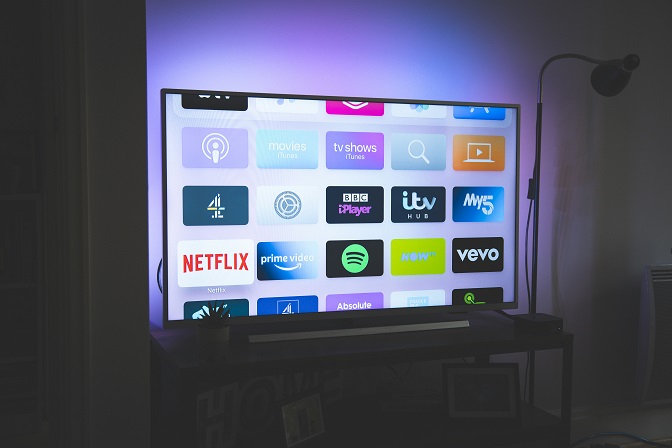
Entertainment niches refer to specialized segments within the broader entertainment industry that cater to specific interests, preferences, and demographics. While the general entertainment landscape includes a wide variety of content, from blockbuster films to mainstream music, niches delve deeper into particular genres, formats, or themes that resonate with more targeted audiences. These niches can encompass fields such as indie films, niche gaming, true crime podcasts, and even subcultures related to entertainment, like anime or horror films.
The significance of entertainment niches lies in their ability to attract dedicated fan bases that are often underserved by mainstream media. By focusing on unique interests, content creators can develop more personalized and engaging experiences, fostering a strong sense of community among fans. This community engagement is crucial, as it leads to a rapid increase in popularity and visibility. As these niches grow, they also attract advertisers and sponsors who see an opportunity to connect with a passionate audience, further enhancing the viability of niche content.
Moreover, technological advancements and the proliferation of digital platforms have made it easier for niche segments to flourish. Social media, streaming services, and podcast platforms have broken traditional barriers, enabling creators to reach their target demographics directly. This shift not only allows for the swift rise of entertainment niches but also encourages diversity and innovation within the industry.
As the entertainment landscape continues to evolve, understanding and exploring these niches becomes essential for both creators and consumers. By examining the various rapidly growing segments, we can gain insight into the future trends that are likely to shape the industry, ultimately enhancing our appreciation of the diverse forms of entertainment available today.
Understanding the Landscape of Entertainment
The entertainment industry consists of a diverse array of segments that cater to the varying tastes and preferences of audiences worldwide. From traditional forms of entertainment, such as film and music, to rapidly emerging platforms like streaming services and online content creation, the landscape is both dynamic and multifaceted.
At its core, the film industry remains a cornerstone of entertainment, continuously evolving through innovations in technology, storytelling, and distribution methods. With the advent of digital platforms, the traditional model of cinema has been supplemented with on-demand viewing options that enrich the consumer experience. Audiences now have instant access to a vast library of films and documentaries, influencing their preferences and viewing habits.
Similarly, the music industry has transformed significantly in recent years. Streaming platforms have altered how music is consumed, shifting focus from album sales to single-track popularity and playlist placements. The growth of social media has also facilitated new ways for artists to connect with their audiences, ultimately reshaping the music promotion landscape.
In addition to these established segments, new niches are rapidly gaining momentum. Online content creation, including platforms like YouTube, TikTok, and Twitch, has opened avenues for influencers and creators to engage directly with their audiences. This direct engagement allows for niche interests to flourish, giving rise to communities centered around specific themes, genres, or activities.
Furthermore, gaming has emerged as a prominent sector within the entertainment industry, with a growing crossover between gaming and other forms of media. The rise of esports and streaming has created not only competitive entertainment but also content viewing experiences that draw in millions of spectators.
The convergence of these various segments reflects an increasingly fragmented yet interconnected industry, where audiences have more control over their choices than ever before. Understanding this landscape is essential for identifying fast-ranking niches and leveraging growth opportunities within the entertainment sector.
Factors Influencing Fast Ranking in Entertainment Niches
The entertainment industry is notorious for its dynamic nature, where trends shift rapidly and audience preferences can change overnight. Several key factors influence the speed at which certain entertainment niches gain visibility and popularity. Among these factors, audience engagement emerges as a critical component. When audiences actively engage with content—be it through comments, shares, or likes—it signals to search algorithms that the content is valuable, thereby enhancing its ranking potential.
Another significant factor is content relevance. Producing timely and pertinent content that resonates with current events, social issues, or popular culture is essential in the entertainment sector. Content that aligns with what audiences are currently interested in will naturally attract more viewers, leading to enhanced ranking. This creates a feedback loop where highly relevant content continues to gain traction, further reinforcing its visibility.
Social trends also play a pivotal role in the rapid ranking of certain entertainment niches. Social media platforms, like TikTok and Instagram, have significantly influenced how content is consumed and shared. Viral trends can catapult entertainment niches to new heights, drawing in viewers who might not typically engage with that type of content. It is essential for creators in entertainment niches to monitor these trends closely to leverage them effectively.Technological advancements further facilitate quicker rankings in these sectors. With enhanced tools for content creation and distribution, including streaming platforms and social media analytics, content creators can optimize their strategies to reach the broader audience efficiently. Furthermore, technologies such as artificial intelligence aid in understanding viewer preferences, enabling creators to tailor their content more effectively.
Top Entertainment Niches That Are Rapidly Climbing
As digital platforms continue to evolve, several entertainment niches have emerged, gaining significant momentum due to changing consumer preferences and behaviors. One of the most notable niches is the realm of video game streaming. Platforms like Twitch and YouTube Gaming have catalyzed the rapid rise of this niche, attracting millions of viewers eager to watch live gameplay, esports tournaments, and interactive gaming experiences. The accessibility of streaming technology and the power of community engagement make this niche particularly appealing to younger audiences, contributing to its swift growth.
Another burgeoning niche is the podcasting landscape, which has transformed into a powerhouse segment within entertainment. With the proliferation of smartphones and efficient distribution platforms, audiences can easily access a wide range of podcast genres. From storytelling and investigative journalism to educational content, the variety plays a pivotal role in attracting diverse listeners. Moreover, as creators continue to leverage unique storytelling formats, the podcasting sphere maintains high engagement rates, further solidifying its status.
The short-form video content segment, heavily influenced by platforms like TikTok and Instagram Reels, is also experiencing remarkable growth. Short within a few seconds, videos provide a quick source of entertainment and information, catering to the fast-paced lifestyle of modern viewers. This format not only allows for creativity and spontaneity but also facilitates viral trends that can propel user-generated content to astronomical levels, thus fueling audience engagement.
Finally, the rise of online courses and educational entertainment platforms embodies another compelling niche. As individuals increasingly seek skill development and personal growth, creators are blending entertainment with education, offering courses that engage audiences through captivating content. The versatility in presentation formats fosters a love for learning, contributing to the rapid ascension of this niche within the entertainment industry.
Impact of Social Media on Entertainment Niche Popularity
In recent years, social media has emerged as a dominant force in shaping various entertainment niches. Platforms like Instagram, Twitter, TikTok, and YouTube have not only transformed how content is created and consumed but have also significantly boosted the visibility of specific entertainment segments. Through the rapid sharing of content, social media enables even niche genres to achieve popular acclaim, fostering widespread interest.
The rise of influencer culture, where individuals with substantial online followings can sway audience preferences, plays a pivotal role in this phenomenon. Influencers often curate and promote content related to music, film, gaming, and more, guiding their followers towards niche entertainment that may have otherwise gone unnoticed. These influencers serve as trendsetters, utilizing their platforms to highlight particular niche interests. Consequently, when influencers endorse a specific genre, it can lead to a sudden spike in its popularity.
Moreover, social media encourages audience interaction, creating a community around various entertainment niches. Users can engage with content through likes, shares, comments, and discussions, which helps in amplifying the reach of niche entertainment. This interaction not only fosters a sense of belonging among fans but also encourages creators to develop content that resonates with their audience, further driving engagement. Algorithms on these platforms prioritize content that gains traction, allowing niche entertainment niches to be showcased to wider audiences rapidly.
Through these mechanisms, social media significantly influences the popularity of entertainment niches. By facilitating quick sharing and promoting engagement, it allows lesser-known genres to gain visibility and rank faster in the competitive entertainment landscape. The symbiotic relationship between social media and entertainment is an ongoing evolution, continually shaping the future of how audiences discover and interact with diverse segments.
Case Studies of Fast-Ranking Entertainment Niches
In recent years, several entertainment niches have demonstrated remarkable growth, rapidly capturing audience attention and achieving high search engine rankings. By delving into specific case studies, we can better understand the strategies utilized, the demographics targeted, and the subsequent impact on their popularity.
One notable example is the rise of streaming platforms focused exclusively on niche genres, such as horror movies or documentaries. A platform dedicated to horror films, for instance, employed a strategy that centered around engaging content curation and community building. By placing an emphasis on user-generated reviews and interactive discussions, they fostered a dedicated audience eager for fresh content. The targeted marketing campaigns were designed to reach both casual viewers and die-hard enthusiasts, effectively expanding their reach significantly. Within just a year, this niche platform not only increased its subscription rates but also began to dominate search rankings for pertinent keywords associated with horror entertainment.
Another interesting case is the explosion of video content centered around retro video games. Content creators have capitalized on nostalgia, using platforms like YouTube to provide walkthroughs, reviews, and live playthroughs of classic games. Targeting adults who grew up in the 80s and 90s, these channels deployed strategies that included engaging storytelling and viewer interaction. They utilized social media to promote their video content and created dedicated communities, which significantly influenced their growth. Over a short period, certain channels saw subscriber numbers soar, resulting in high visibility within search engine results related to retro gaming.
These case studies illustrate that understanding the nuances of target audiences and employing innovative strategies can lead to exponential growth in otherwise overlooked entertainment niches, highlighting the potential for rapid ranking improvements in these sectors.
Predictions for Future Fast-Ranking Entertainment Niches
As the entertainment industry continues to evolve, several emerging trends suggest particular niches may gain traction and rank faster than others in the near future. One key area to watch is the rise of interactive content formats, particularly in the realm of virtual reality (VR) and augmented reality (AR). These technologies enhance viewer engagement by providing immersive experiences that traditional mediums cannot match. As consumers seek more personalized content, the demand for VR and AR experiences may lead to a new entertainment niche aimed specifically at interactive storytelling.
Another potential fast-ranking niche could be focused on sustainability in entertainment. With an increasing awareness of environmental issues, audiences are gravitating towards content that emphasizes eco-friendly practices and narratives. This shift could pave the way for a genre that intertwines entertainment with education about sustainability, creating a unique blend that appeals to conscientious viewers. Such environments also open up opportunities for brands to collaborate with content creators to promote their sustainable initiatives.
Moreover, the ongoing popularity of streaming services emphasizes the potential growth of niche platforms. Specialized streaming channels catering to specific interests, such as classic films, niche music genres, or indie productions, may see a rise in popularity. As fragmented audiences seek tailored experiences, these niche platforms can capitalize on this trend by providing highly focused content aligned with user preferences. Likewise, platforms that combine on-demand viewing with social media interaction may emerge, offering viewers a sense of community while consuming content.
Finally, short-form video content, particularly on platforms like TikTok and Instagram, signifies a fast-ranking niche that is likely to continue as audiences prefer quick, digestible entertainment. Content that leverages humor, trends, and viral challenges can capture significant attention, thereby establishing a formidable niche that appeals to a younger demographic seeking instant gratification.
Challenges Associated with Fast-Ranking Entertainment Niches
In the landscape of entertainment, niches that rank rapidly can present unique challenges that content creators must carefully navigate. One significant hurdle is market saturation. When a particular niche begins to gain traction, numerous creators often flock to that space, leading to an oversaturation of similar content. This influx can diminish originality, making it increasingly difficult for new entrants to stand out amidst a plethora of similar offerings. Consequently, maintaining a distinct voice becomes imperative but increasingly challenging.
Moreover, the challenges of audience retention emerge as another formidable obstacle. Fast-ranking niches tend to attract large audiences quickly, but sustaining that interest can be problematic. Audience preferences can be fickle, and with the lure of fresh content, viewers may quickly shift their attention away. This necessitates constant innovation and adaptation by creators to keep their audience engaged. Failing to do so may result in a declining viewership, even in a once-thriving niche.
Additionally, the pressures of maintaining high-quality content cannot be overstated in fast-paced niches. With the demand for rapid production times, many creators may prioritize quantity over quality, leading to the potential deterioration of content standards. This trade-off can harm a brand’s reputation and detract from the viewer experience. It is essential for creators to strike a balance between efficiency and quality, ensuring that their work remains informative, entertaining, and valuable to their target audience.
In essence, while fast-ranking entertainment niches present opportunities for quick audience growth, they also come with a set of challenges that require strategic planning and execution. Creators must navigate market saturation, audience retention issues, and maintain a commitment to quality content to succeed in such rapidly evolving environments.
Conclusion: Embracing the Evolution of Entertainment Niches
As we have explored, the entertainment industry is significantly shifting, with niches evolving rapidly due to technological advancements, changing demographics, and shifting consumer preferences. Recognizing these trends is imperative for both consumers and creators. Individuals immersed in entertainment, whether through viewing or content creation, must stay attuned to emerging niches. These rapidly growing segments present unique opportunities for engagement and creativity.
Moreover, embracing these evolving niches allows for expanded horizons in content consumption. The diversification of entertainment options means that audiences can find niche communities that resonate with their specific interests, leading to more personalized and meaningful experiences. Creators have an invaluable chance to tap into these segments by aligning their content with audience preferences, potentially increasing visibility and engagement.
To thrive in this dynamic landscape, it is essential to adapt and innovate. Following industry trends, experimenting with new formats, and understanding the audience’s shifting tastes can significantly enhance content strategies. This approach not only fosters greater audience connection but also positions creators as thought leaders within their respective niches.
In summary, the evolving landscape of entertainment niches presents both challenges and remarkable opportunities. By remaining proactive and informed, stakeholders can successfully navigate these changes, ensuring they meet the demands of an ever-growing audience eager for fresh and engaging content. The ability to adapt to these trends will ultimately define success in the competitive realm of entertainment.