Most homeowners can tell you exactly when their roof needs attention or when their gutters are clogged. But window wells? They’re the forgotten feature of basement living, quietly rusting, cracking, and filling with debris until something goes wrong. By then, you’re often dealing with water damage, a safety hazard, or both.
Window wells serve a bigger purpose than most people realize. They allow natural light into below-grade spaces, provide a critical escape route in emergencies, and keep soil and water away from basement windows. When they’re damaged or outdated, they stop doing their job effectively, and the consequences can ripple through your entire home.
This is where aging infrastructure starts to show its cracks, literally. A window well that once held firm against the elements can deteriorate over time, especially if it was installed decades ago with materials that weren’t built to last. Understanding why these structures fail, and what modern solutions look like, can save homeowners from costly repairs down the road.
What Causes Window Wells to Fail Over Time?
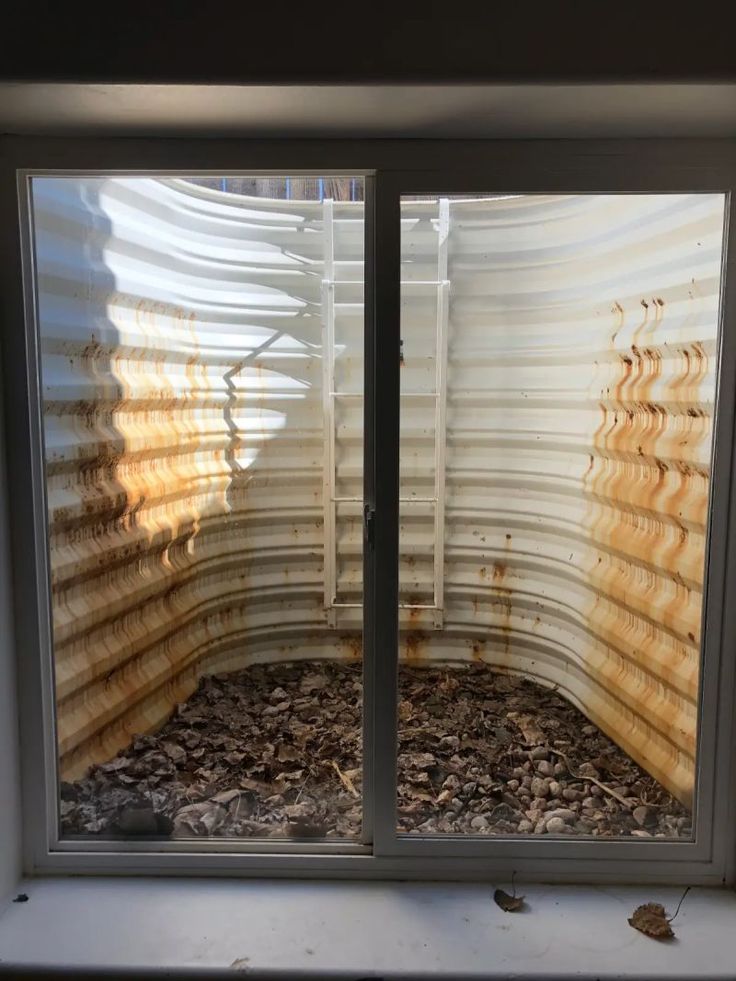
Window wells endure a lot. They’re constantly exposed to moisture, shifting soil, freeze-thaw cycles, and the weight of snow or debris. Metal window wells, especially older galvanized steel models, are particularly vulnerable to rust. Once corrosion sets in, the structural integrity of the well weakens, making it prone to collapse or separation from the foundation wall.
Plastic and fiberglass wells, while more resistant to rust, can crack or warp under pressure, especially in regions with significant temperature swings. Poor installation is another common culprit. If a window well wasn’t properly graded or anchored when it was first installed, water can pool at the base instead of draining away, leading to foundation seepage and mold growth.
Soil erosion around the well is often overlooked too. As dirt shifts and settles, gaps can form between the well and the foundation, creating an entry point for water and pests. Over the years, this seemingly minor flaw contributes to larger, more expensive problems inside the home.
The Hidden Risks of Ignoring a Damaged Window Well
A damaged window well isn’t just a cosmetic issue. It’s a liability that can affect your home’s safety, value, and comfort. Below-grade windows often double as emergency egress points, meaning they must comply with local building codes to ensure safe exit during a fire or other emergency. A compromised well can obstruct this exit route or make it impossible to open the window at all.
Water intrusion is another serious concern. When window wells fail to drain properly, moisture seeps into the basement, creating conditions for mold, mildew, and wood rot. These issues don’t just damage your belongings. They can compromise indoor air quality and trigger respiratory issues for sensitive household members.
There’s also the matter of pest infiltration. Gaps and cracks in a deteriorating window well create easy access points for insects and rodents looking for shelter. Left unaddressed, this can turn into a long-term pest control problem that extends well beyond the basement.
Why Material Choice Matters More Than Most Homeowners Think
Not all window wells are created equal, and the materials used in construction make a significant difference in longevity and performance. Galvanized steel was once the industry standard, but it’s prone to rust, especially in humid climates or areas with heavy rainfall. Over time, rust weakens the structure and can cause unsightly staining on the surrounding foundation.
Modern alternatives like powder-coated steel and high-density polyethylene offer better resistance to corrosion and environmental wear. These materials are designed to withstand decades of exposure without compromising structural integrity. Homes with updated window wells tend to experience fewer drainage issues and require less maintenance overall, which adds up to real savings over time.
Choosing the right material also affects how well the window well integrates with your home’s drainage system. A well-designed system directs water away from the foundation rather than allowing it to collect, reducing the risk of basement flooding during heavy storms or rapid snowmelt.
Signs It’s Time to Consider an Upgrade
Recognizing the warning signs early can prevent small issues from becoming major repairs. Visible rust, cracks, or separation from the foundation wall are clear indicators that a window well has reached the end of its functional life. Standing water after rainfall, musty odors near basement windows, or difficulty opening the window itself are also red flags worth taking seriously.
Homeowners planning to sell their property should pay particular attention to window well condition as well. Inspectors often flag damaged or non-compliant wells during home inspections, which can delay a sale or reduce negotiating power. Addressing these issues proactively protects both safety and resale value.
Investing in Long-Term Protection for Your Home
Window Well Replacements help protect basement openings from weather exposure, soil movement, and potential water intrusion while maintaining a safe, durable, and code-compliant setup. At Itiswell Egress, we focus on quality materials and precise installation techniques to ensure every replacement is built for long-term performance, giving homeowners greater peace of mind and helping protect their basements for years to come.
What sets a quality installation apart isn’t just the materials used; it’s the precision behind the process. Proper grading, secure anchoring, and attention to drainage patterns all play a role in ensuring a window well performs as intended for decades, not just a few seasons. Itiswell Egress approaches every project with this level of detail, recognizing that a well-installed system protects far more than just a window; it protects the entire foundation and everyone inside the home.
Homeowners who invest in quality egress solutions often find that the benefits extend beyond safety and compliance. Improved natural light, reduced moisture problems, and enhanced curb appeal are all welcome side effects of a job done right. It’s an investment that pays dividends in comfort, protection, and peace of mind.
Taking the Next Step Toward a Safer Basement
Basement window wells rarely get the attention they deserve until something goes wrong. By understanding the warning signs of deterioration and the value of quality materials and installation, homeowners can make informed decisions before small problems turn into expensive repairs.
If your home’s window wells are showing signs of age, damage, or poor drainage, now is the time to explore better solutions. Reach out to Itiswell Egress to discuss options tailored to your home’s specific needs, and take the first step toward a safer, drier, and more resilient basement.