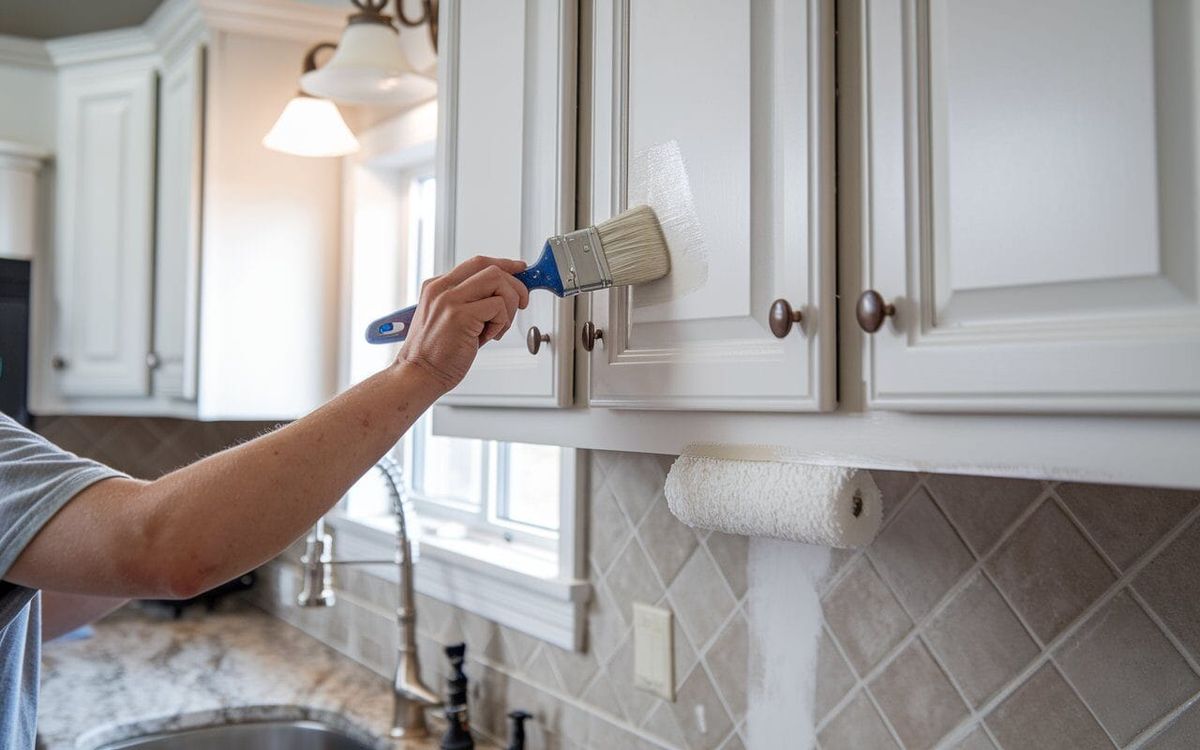
Your kitchen cabinets take more abuse than almost any other surface in your home. Grease splatters, slamming doors, little hands with sticky fingers it all adds up. After a few years, even the most beautifully crafted cabinetry starts to look tired, dated, or just plain worn out.
The good news? You don’t need to gut your kitchen to fix it.
A full cabinet replacement can run tens of thousands of dollars and take weeks to complete. For most homeowners, that’s simply not realistic — especially when the cabinet boxes themselves are still structurally sound. What’s actually outdated is the finish: the color, the sheen, the overall vibe. And that’s a problem paint can solve.
At Paint & Co., we’ve seen firsthand how a fresh coat of paint can completely change the way a kitchen feels. It’s one of the fastest, most cost-effective ways to update your home — and it’s a service we’ve built our reputation on.
What’s Actually Wrong With Your Cabinets?
Before jumping to a renovation, it’s worth asking: is this a structural problem or a cosmetic one?
In most cases, it’s cosmetic. Common complaints we hear from homeowners include:
- Yellowed or peeling finishes on older wood cabinets
- Outdated oak or cherry tones that clash with updated countertops and flooring
- Chipped paint around handles and hinges from daily wear
- A generally dark, closed-in feeling from heavy, dated cabinet colors
None of these issues mean your cabinets need to go in a dumpster. They mean your cabinets need a new finish — and that’s a much simpler fix than most people assume.
The Real Cost Savings of Repainting vs. Replacing
Replacing kitchen cabinets involves more than just new boxes and doors. There’s demolition, disposal, new hardware, possible electrical or plumbing adjustments, and installation labor. Even a modest kitchen can see costs climb quickly once all those line items are added up.
Repainting, by comparison, keeps your existing cabinet structure intact. You’re not paying for new materials or dealing with the disruption of a full teardown. For homeowners working with a budget — or anyone who simply doesn’t want their kitchen out of commission for a month — this makes a significant difference.
Beyond the dollars saved, there’s also the environmental upside. Keeping functional cabinetry out of the landfill is a small but meaningful way to make a renovation more sustainable.
How Professional Cabinet Refinishing Actually Works
A lot of homeowners have tried a DIY cabinet paint job at some point, usually with mixed results. Brush strokes show, paint chips within months, or the finish never quite cures properly. That’s because cabinet painting is deceptively technical. It’s not the same as painting a wall.
Here’s what a proper process actually involves:
Cleaning and degreasing. Kitchen cabinets accumulate oil and grime over time, even if they look clean. Paint won’t adhere properly unless that residue is fully removed first.
Sanding and prep. Light sanding creates a surface the primer can actually grip, which is essential for long-term durability.
Priming. A high-quality primer, matched to your cabinet material, seals the surface and prevents stains or wood tannins from bleeding through the topcoat.
Spray application. Professional-grade sprayers — not brushes or rollers — deliver the smooth, factory-like finish most homeowners are hoping for. This step alone is often the biggest difference between a DIY attempt and a professional result.
Curing time. Durable cabinet finishes need time to cure properly, not just dry. Rushing this step is one of the most common reasons DIY jobs fail early.
Each of these stages matters. Skip one, and the finish is likely to chip, peel, or yellow well before it should.
Choosing the Right Colors and Finishes
One of the most enjoyable parts of a cabinet refresh is picking the new look. Trends have shifted noticeably in recent years, with homeowners moving away from heavy, dark wood tones in favor of finishes that feel brighter and more timeless.
Some of the most requested options include:
- Soft whites and off-whites for a clean, airy kitchen
- Deep navy or forest green on lower cabinets paired with white uppers
- Matte black for a bold, modern statement
- Warm greige tones that bridge traditional and contemporary styles
Sheen matters just as much as color. Satin and semi-gloss finishes tend to hold up best in kitchens, since they resist moisture and are easier to wipe clean than flat finishes.
Why Homeowners Choose Paint & Co. for This Work
Cabinet painting gives you a dramatic kitchen transformation without the cost, mess, or weeks-long disruption of a full remodel, and that’s exactly the result our clients come to us looking for. At Paint & Co., we specialize in cabinet refinishing because we’ve seen how much impact it can have relative to the investment required.
Our team handles every step in-house, from initial prep through final topcoat, using professional spray equipment and commercial-grade materials built to withstand daily kitchen use. We also work closely with homeowners on color selection, helping match new cabinet finishes to existing countertops, flooring, and overall design goals.
Most projects are completed in a matter of days, not weeks, with minimal disruption to your household. You get a kitchen that looks and feels brand new, without the stress of a full renovation.
Ready for a Kitchen That Feels New Again?
If your kitchen cabinets are the one thing holding back the rest of your home’s design, a repaint might be the simplest fix you haven’t considered yet. It’s faster than a remodel, easier on your budget, and gives you the flexibility to choose a finish that actually matches how your space looks and feels today.
Paint & Co. is ready to walk you through the process, from color consultation to final finish. Reach out today to schedule your cabinet painting consultation and see what a difference the right finish can make.