


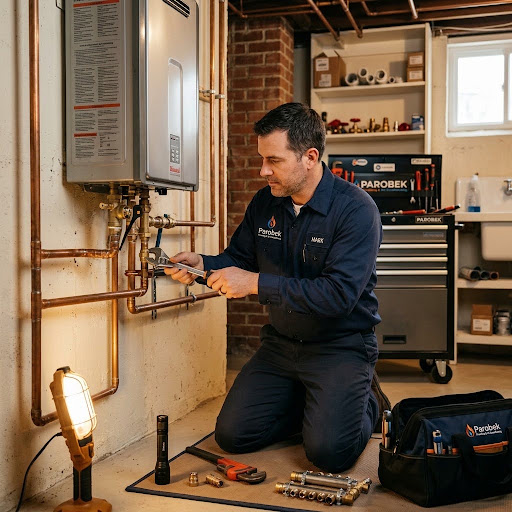
There’s nothing quite like stepping into a shower expecting warmth, only to be hit with an icy blast that ruins your morning. A malfunctioning water heater doesn’t just inconvenience you—it can signal bigger problems lurking beneath the surface, from corroded tanks to failing heating elements that could leave you without hot water entirely.
For homeowners across the region, few household disruptions are as immediately noticeable as a broken water heater. Whether it’s a slow decline in performance or a sudden failure, these units work hard year-round to keep your daily routines running smoothly. When they falter, the ripple effects touch everything from your morning shower to your dishwasher cycle.
Parobek Plumbing & Air Conditioning has spent years helping local families restore comfort to their homes when water heaters start acting up. Understanding the warning signs early can save you from a complete system failure—and a much larger repair bill down the road.
What Are the Most Common Water Heater Problems Homeowners Face?
Water heaters endure constant stress. They’re heating, storing, and delivering hot water throughout your home nearly every day of the year. Over time, this wear and tear manifests in predictable ways.
Inconsistent Water Temperature
One day your shower is perfectly warm, and the next it’s lukewarm at best. Temperature fluctuations often point to a failing heating element or a thermostat that’s lost its calibration. This issue tends to worsen gradually, so catching it early prevents the frustration of unpredictable water temperatures.
Strange Noises Coming From the Tank
Popping, rumbling, or banging sounds from your water heater usually mean sediment has built up at the bottom of the tank. As this sediment hardens, it creates a barrier between the heating element and the water, forcing your unit to work harder and burn more energy just to maintain normal function.
Water That Looks Rusty or Smells Off
Discolored water or a metallic odor coming from your taps often indicates internal corrosion. This is a sign that shouldn’t be ignored, as it typically means the tank itself is deteriorating from the inside.
Puddles or Moisture Around the Unit
Any leaking around your water heater deserves immediate attention. Even small amounts of moisture can indicate a cracked tank or a failing valve, both of which can escalate quickly into water damage if left unaddressed.
Why Do Water Heaters Fail Over Time?
Every water heater has a natural lifespan, typically ranging from eight to twelve years depending on usage, water quality, and maintenance habits. Hard water, for instance, accelerates mineral buildup inside the tank, shortening its effective life considerably.
Lack of regular maintenance is another major contributor. Sediment flushing, anode rod inspections, and pressure relief valve testing are all steps that, when skipped, allow small issues to snowball into major malfunctions. Homeowners who invest in routine checkups often extend the working life of their units significantly compared to those who wait until something breaks.
Age isn’t the only factor, though. Even newer units can experience premature failure due to installation errors, faulty parts, or excessive strain from oversized household demand. This is why professional diagnosis matters so much—a trained technician can distinguish between a simple fix and a sign that replacement makes more financial sense.
How Can You Tell If Your Water Heater Needs Repair or Replacement?
This is one of the most common questions homeowners ask when their unit starts acting up. Several factors come into play, including the age of the unit, the frequency of past repairs, and the severity of the current issue.
If your water heater is less than six years old and experiencing a single, isolated problem, repair is usually the more cost-effective route. However, units nearing or exceeding the ten-year mark that require frequent servicing often make more financial sense to replace, especially when factoring in the improved energy efficiency of newer models.
Rust-colored water, persistent leaks, and a tank that’s visibly corroding are strong indicators that repair may only offer a temporary fix. A thorough inspection from a qualified technician can help you weigh these options with confidence rather than guesswork.
What Should You Expect From a Professional Water Heater Service Visit?
Water Heater Repair restores reliable hot water to your household without the stress of guessing what’s wrong, giving you the confidence that comes from a professional inspection. Parobek Plumbing & Air Conditioning approaches every service call with a thorough diagnostic process designed to identify the root cause of the problem, not just the symptoms.
Technicians begin by examining the tank, heating elements, thermostat, and connections for signs of wear or damage. From there, they’ll walk you through what they’ve found in plain language, along with clear options for moving forward. Whether the fix involves flushing sediment, replacing a faulty part, or addressing a more complex issue, transparency remains a priority throughout the process.
For homeowners dealing with tankless systems, gas units, or electric models, the diagnostic approach adjusts accordingly since each system type has its own set of common failure points. This tailored approach ensures the repair addresses your specific unit rather than applying a one-size-fits-all solution.
Keeping Your Home Comfortable Starts With Timely Attention
A dependable hot water supply is one of those comforts that’s easy to overlook until it disappears. Recognizing the early warning signs—unusual noises, inconsistent temperatures, discolored water—puts you in a stronger position to address problems before they become emergencies.
Parobek Plumbing & Air Conditioning remains committed to helping homeowners maintain comfortable, functional homes through prompt, knowledgeable service. If your water heater has been showing signs of trouble, reaching out sooner rather than later can save you both time and money while restoring the reliable hot water your household depends on.