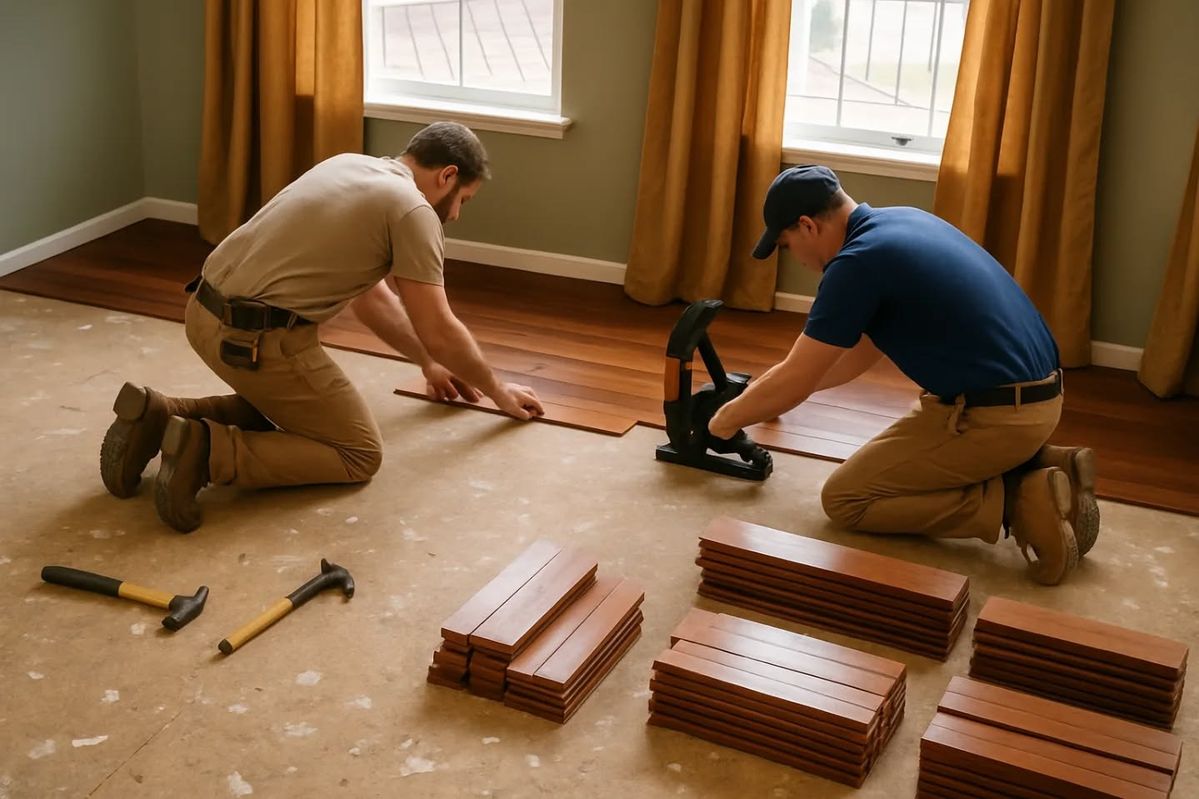
Replacing the flooring in a home is a major improvement project that requires careful planning. Unlike smaller decorative updates, new flooring affects the comfort, appearance, maintenance needs, and long-term value of a property. A suitable flooring choice can support daily activities while complementing the overall design of each room. However, selecting the wrong material or overlooking important preparation steps can lead to unnecessary costs and future problems.
Before removing existing floors or purchasing new materials, homeowners should evaluate several factors, including lifestyle requirements, room conditions, installation methods, budget limitations, and long-term maintenance expectations. A thoughtful approach helps ensure the finished result meets both practical needs and design goals.
Assess the Purpose and Usage of Each Room
Every room in a home has different flooring requirements. A material that works well in a quiet bedroom may not perform effectively in a busy kitchen or entrance area. Understanding how each space is used is one of the first steps in making an informed decision.
High-traffic areas such as hallways, living rooms, and kitchens require flooring that can withstand frequent movement, furniture changes, and regular cleaning. Families with children or pets may need surfaces that resist scratches, stains, and moisture. Bedrooms and private areas often allow more flexibility, as comfort and warmth may become higher priorities.
The climate and environmental conditions of the home should also be considered. Rooms exposed to humidity, temperature changes, or direct sunlight may require materials designed to handle those conditions without warping, fading, or deteriorating over time.
Determine the Right Flooring Material
Modern homes offer a wide range of flooring options, each with specific benefits and limitations. Hardwood remains a popular choice because of its natural appearance and long lifespan when properly maintained. It can add warmth to interiors, although it may require more care compared with other materials.
For homeowners comparing practical alternatives, luxury vinyl flooring has become increasingly common because it combines practical performance with a wide variety of designs. It can replicate the appearance of wood or stone while offering resistance to moisture and everyday wear. This makes it suitable for areas where homeowners want visual appeal without extensive maintenance requirements..
Tile flooring is another durable option, particularly for bathrooms, kitchens, and entryways. Ceramic and porcelain tiles can handle moisture effectively, but their harder surface may not provide the same level of comfort underfoot as softer flooring materials.
Carpet remains a preferred choice for bedrooms and living areas where warmth, noise reduction, and softness are important considerations. However, it typically requires more frequent cleaning and may not be the best option for areas exposed to spills or heavy foot traffic.
Consider the Existing Floor Condition
Before installing new flooring, the condition of the current surface must be carefully examined. A damaged or uneven subfloor can affect the performance and appearance of new materials. Small imperfections may become noticeable after installation, while serious structural issues can cause premature flooring failure.
Professionals often inspect the subfloor for moisture problems, cracks, uneven sections, or signs of deterioration. In some cases, repairs or leveling work may be necessary before new flooring can be installed properly.
Ignoring preparation work may reduce the lifespan of even high-quality flooring. A strong foundation plays an important role in ensuring the final installation remains stable and visually consistent for years.
Set a Realistic Budget Beyond Material Costs
Many homeowners focus only on the price of flooring materials, but the total project cost includes several additional expenses. Installation, removal of old flooring, subfloor repairs, underlayment, transportation, and finishing details can significantly affect the final budget.
A clear financial plan allows homeowners to compare options realistically. A lower initial price does not always represent the most economical choice if the material requires frequent repairs or replacement.
Quality should remain an important consideration, but expensive materials are not automatically the best solution for every home. The right choice depends on balancing durability, appearance, maintenance requirements, and available funds.
Think About Maintenance Requirements
Flooring decisions should account for the amount of time and effort required for upkeep. Some materials need regular sealing, polishing, or specialized cleaning products, while others can be maintained with simple routine care.
Busy households often benefit from flooring options that are easy to clean and resistant to common household challenges. Homeowners who prefer a low-maintenance environment should consider how much attention different materials will require over the years.
Maintenance habits also influence the lifespan of flooring. Even durable surfaces can lose their quality if they are not cleaned and cared for according to manufacturer recommendations.
Match Flooring With the Home’s Interior Style
Flooring has a significant impact on the overall appearance of a property. It connects different rooms and creates a foundation for furniture, wall finishes, and decorative choices. A flooring style should work naturally with the existing interior rather than competing with other design elements.
Color, texture, pattern, and material finish all influence the atmosphere of a room. Lighter flooring can make smaller spaces feel more open, while darker shades may create a warmer and more traditional appearance.
Homeowners should also consider whether their design preferences are likely to remain suitable in the future. Since flooring replacements are not frequent projects, selecting a style with lasting relevance can help maintain satisfaction over time.
Review Installation Requirements and Timeframes
Different flooring materials require different installation processes. Some options can be installed relatively quickly, while others involve more preparation and professional expertise. Understanding the expected timeline helps homeowners organize the project and prepare for temporary disruptions.
Professional installation is often recommended for materials that require precise measurements, specialized tools, or detailed preparation. Poor installation can lead to visible gaps, uneven surfaces, squeaking, or reduced durability.
Before hiring an installer, homeowners should review experience, previous work, and installation methods. A skilled professional can help avoid common mistakes and ensure the flooring performs as expected.
Consider Future Home Value
Flooring replacement can influence how potential buyers view a property. Well-maintained, high-quality flooring may contribute to a stronger first impression and improve the overall condition of the home.
However, personal preferences should be balanced with broader market expectations, especially for homeowners considering selling in the future. Extremely unusual choices may limit buyer interest, while practical and well-designed options often have wider appeal.
Durability, cleanliness, and compatibility with the home’s architecture are factors that tend to remain important regardless of changing design trends.
Plan Carefully Before Beginning the Project
Replacing flooring involves more than choosing a color or material from a showroom. The decision requires an understanding of household needs, room conditions, installation challenges, and long-term expectations.
A successful flooring project begins with careful research and realistic planning. By evaluating material options, preparing the existing surface, considering maintenance demands, and reviewing reliable sources of interior design inspiration, homeowners can make choices that provide comfort and reliability while fitting naturally into the character of their homes.
The right flooring should not only improve the appearance of a home but also support the way people live in it every day. Careful consideration before installation helps create a result that remains practical, attractive, and valuable well into the future.