


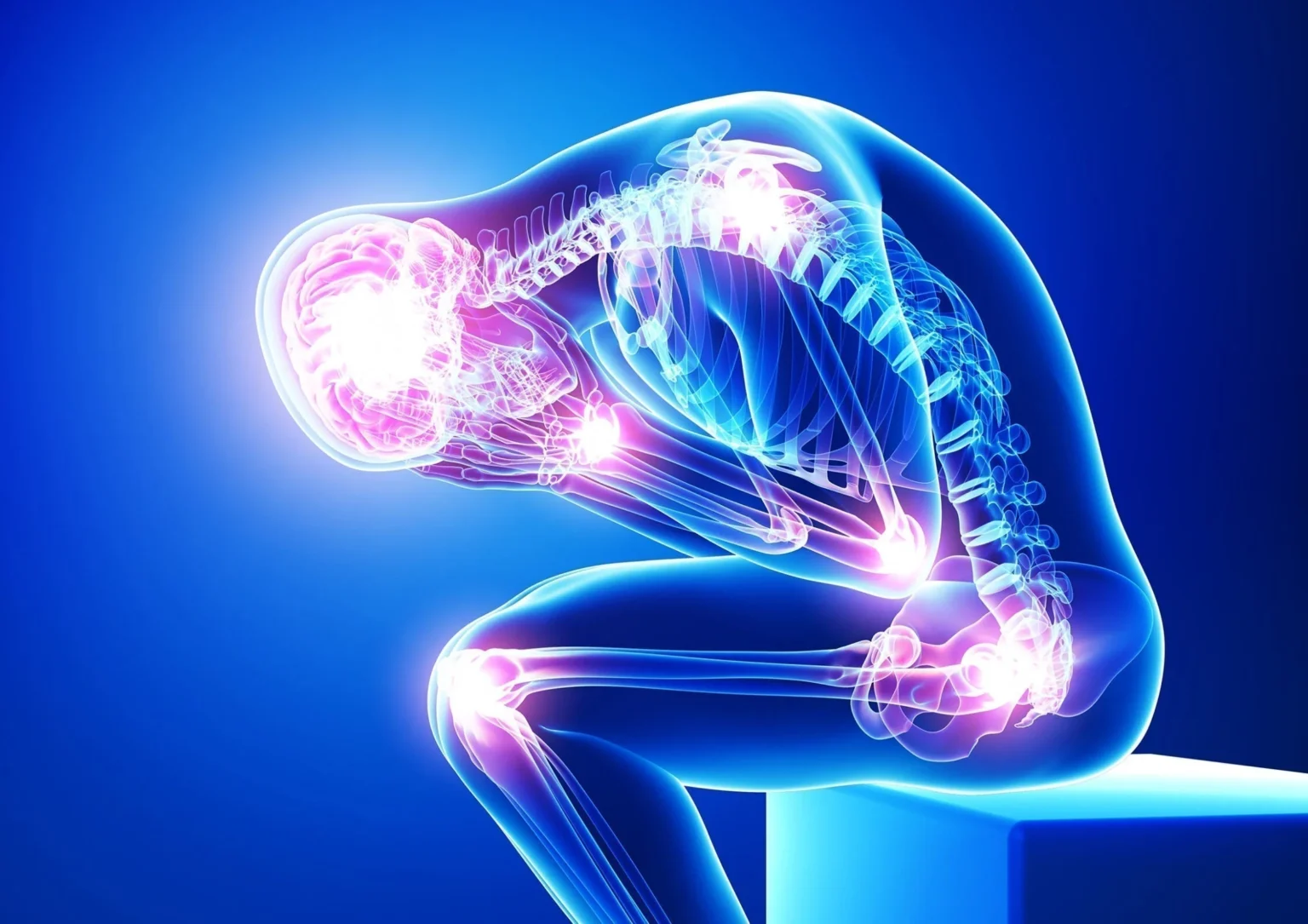
Most people assume that once a difficult event is over, the mind moves on. Time passes, life continues, and the memory fades into the background. But for millions of people, that is not what happens. The body holds on. Reactions surface at unexpected moments, triggered by a smell, a tone of voice, or a particular quality of light. Understanding why this happens is not just academically interesting. It can genuinely change how someone approaches their own healing.
This article covers how trauma gets encoded in the nervous system, why the brain processes threatening experiences differently than ordinary ones, what the physical and psychological signs of stored trauma actually look like, and what research tells us about effective paths toward recovery.
Why the Brain Treats Trauma Differently
During a normal experience, the brain encodes memory in a relatively orderly way. The hippocampus, which is responsible for organizing and contextualizing memories, files the experience with a timestamp and a sense of narrative sequence. You remember what happened, roughly when it happened, and that it is now in the past.
During a traumatic experience, this process breaks down. The brain’s threat-detection system, centered in the amygdala, floods the body with stress hormones like cortisol and adrenaline. These hormones are designed to prioritize survival, which means the thinking, organizing parts of the brain temporarily take a back seat. As a result, traumatic memories often get stored as fragmented sensory impressions rather than coherent narratives. Sights, sounds, smells, and physical sensations can get encoded without the contextual frame that signals ‘this is over.’
This is a key reason why trauma survivors sometimes struggle to simply ‘talk through’ what happened. The memory does not live entirely in the verbal, narrative part of the mind. Parts of it live in the body.
The Nervous System’s Role in Storing Trauma
The autonomic nervous system operates below the level of conscious thought. It governs heart rate, breathing, digestion, and the fight-or-flight response. When the body encounters a perceived threat, the sympathetic nervous system activates, preparing the body for action. When the danger passes, the parasympathetic nervous system is supposed to bring things back to baseline.
For trauma survivors, this return to baseline does not always happen smoothly. The nervous system can become stuck in a state of chronic activation, treating ordinary situations as potentially dangerous. Polyvagal theory, developed by neuroscientist Stephen Porges, offers one framework for understanding this. Porges proposed that the vagus nerve plays a central role in regulating social engagement and safety responses, and that trauma can dysregulate this system in ways that persist long after the original threat is gone.
Research on the science behind stored trauma has helped clarify why these nervous system responses are not a character flaw or a sign of weakness. They are the result of the brain doing exactly what it was designed to do under extreme conditions, and then having difficulty resetting afterward.
Common Signs That Trauma Has Been Stored in the Body
Stored trauma can show up in ways that seem disconnected from any specific memory. People often seek help for a symptom without initially connecting it to past experience. Recognizing the range of presentations is useful for anyone trying to understand their own patterns or support someone they care about.
- Chronic muscle tension, particularly in the shoulders, jaw, neck, or hips
- Hypervigilance, or a persistent sense that something bad is about to happen
- Difficulty sleeping or frequent nightmares
- Emotional numbness or feeling disconnected from one’s own body
- Exaggerated startle response to loud sounds or sudden movements
- Digestive problems without a clear medical cause
- Difficulty tolerating close physical proximity to others
- Unexplained fatigue, even after adequate rest
- Sudden emotional reactions that feel disproportionate to the situation
None of these symptoms in isolation confirms a trauma history, and many have other potential causes. But when several appear together, especially following a period of significant stress or a known traumatic event, they may reflect a nervous system that is still responding to a threat that has already passed.
Types of Trauma and How They Differ
Not all trauma is the same, and the distinctions matter for understanding both how it gets stored and what recovery tends to look like. Clinicians generally distinguish between a few broad categories.
| Type | Description | Common Examples |
| Acute trauma | Results from a single, time-limited event | Car accident, natural disaster, assault |
| Chronic trauma | Repeated exposure to distressing events over time | Domestic violence, ongoing abuse, war |
| Complex trauma (C-PTSD) | Prolonged trauma, often interpersonal, beginning in childhood | Childhood neglect, emotional abuse, captivity |
| Secondary trauma | Indirect exposure through supporting or witnessing others’ trauma | First responders, caregivers, journalists |
| Developmental trauma | Disruptions to attachment and safety during early development | Inconsistent caregiving, early loss, neglect |
Complex and developmental trauma tend to have deeper effects on personality, identity, and relationship patterns because they occur during formative periods or are sustained over long stretches of time. Acute trauma, while genuinely distressing, often responds more quickly to treatment because the nervous system has a clearer ‘before’ state to return to.
What the Research Says About Trauma’s Physical Impact
The evidence for trauma’s physical effects has grown substantially over the past few decades. One of the most significant contributions to this field came from the Adverse Childhood Experiences (ACE) Study, a large-scale research project conducted by the Centers for Disease Control and Prevention and Kaiser Permanente beginning in the 1990s. The study found that individuals with four or more adverse childhood experiences had significantly elevated rates of heart disease, liver disease, depression, and suicide attempts compared to those with no adverse experiences. The findings underscored that psychological wounds are not separate from physical health. They are woven together.
Neuroimaging studies have also shown structural differences in the brains of people with post-traumatic stress disorder compared to those without. The hippocampus, which as mentioned earlier plays a role in contextualizing memory, tends to be smaller in people with chronic PTSD. The amygdala often shows heightened reactivity. These are not permanent, fixed differences in all cases; research on neuroplasticity suggests the brain retains the capacity to change, which is part of why therapeutic interventions can be effective.
Evidence-Based Approaches to Processing Stored Trauma
Because trauma is stored across multiple systems, including the body, the nervous system, and explicit memory, effective treatment often needs to work across those same systems. Purely talk-based approaches have their place, particularly for processing meaning and rebuilding narrative. But they are frequently most effective when combined with approaches that also address the physiological dimension.
Somatic and Body-Based Therapies
Somatic Experiencing, developed by Dr. Peter Levine, focuses on helping clients track and discharge physical tension held in the body as a result of incomplete stress responses. Sensorimotor Psychotherapy works similarly, using body awareness alongside cognitive and emotional processing. These approaches recognize that the body is not simply a vehicle for the mind but an active participant in how trauma is held and how it can be released.
EMDR Therapy
Eye Movement Desensitization and Reprocessing, commonly known as EMDR, has a strong evidence base for treating PTSD. The therapy uses bilateral stimulation, typically guided eye movements, to help the brain reprocess traumatic memories in a way that reduces their emotional charge. The World Health Organization and the American Psychological Association both recognize EMDR as an effective treatment for trauma. It does not require the client to describe the traumatic event in detail, which makes it accessible for people who find verbal recounting retraumatizing.
Trauma-Focused Cognitive Behavioral Therapy
TF-CBT is particularly well-supported for children and adolescents, though adapted versions are used with adults as well. It helps clients identify and shift distorted beliefs that developed as a result of traumatic experiences, while also building coping skills and gradually processing the traumatic memory in a structured, safe environment.
The Role of Safety in Healing
One theme cuts across virtually every effective trauma treatment: safety comes first. A nervous system that is still in a state of threat activation cannot engage in the kind of deep processing that leads to lasting change. This is why skilled trauma therapists spend considerable time building a felt sense of safety before moving toward direct trauma work. That might mean establishing a reliable therapeutic relationship, developing grounding techniques the client can use when emotions become overwhelming, or addressing current life stressors that are keeping the nervous system activated.
Healing from stored trauma is not a linear process, and it rarely looks the same for any two people. Setbacks are part of the pattern, not evidence of failure. What research and clinical experience both point toward is that recovery is genuinely possible, even after years of living with the effects of unprocessed trauma. The nervous system that learned to adapt to threat can, with the right support, learn to feel safe again.