

Introduction to Roof Maintenance
Roof maintenance is a crucial aspect of home and building care that is often overlooked by property owners. It involves a series of routine inspections and repairs that ensure the roof remains in optimal condition, significantly extending its lifespan. Regular maintenance is vital for identifying potential issues before they escalate into severe problems that may compromise the integrity of the entire structure. One of the most common issues associated with neglecting roof maintenance is water leakage. When debris accumulates in gutters or on the roof itself, it can lead to blockages that prevent proper water drainage. This accumulation of water can seep into the building, causing damage not only to the roof but also to ceilings, walls, and the underlying structural components. Additionally, leaks can lead to the growth of mold and mildew, posing health risks to occupants.
Structural damage is another significant concern that arises from inadequate roof care. Over time, exposure to harsh weather conditions, such as heavy rain, snow, and extreme temperatures, can weaken roofing materials. Without regular inspections, small cracks or loose shingles can go unnoticed, exacerbating the damage and potentially leading to costly repairs. The financial implications of poor roof maintenance can be substantial; property owners risk incurring expenses for emergency repairs, mold remediation, and even roof replacements, all of which can be avoided through preventive measures.
In summary, understanding the importance of regular roof maintenance is essential for safeguarding both residential and commercial properties. By investing time and resources in roof care, property owners can protect their investment, maintain safety, and ensure the longevity of their roofs.
Understanding the Lifespan of Roofs
The lifespan of a roof largely depends on the materials used during its construction and the local climatic conditions it faces throughout its life. Understanding the durability and maintenance requirements of different roofing materials can help homeowners anticipate future repairs or replacements.
Asphalt shingles, one of the most popular roofing materials, typically have a lifespan ranging from 15 to 30 years, depending on the quality of the shingles and installation methods. These shingles are relatively affordable and easy to install, but they can be susceptible to damage from high winds and extreme temperatures. Regular maintenance, such as inspections and timely repairs, can extend their life significantly.
Metal roofs are gaining popularity due to their longevity and durability. With a lifespan of 40 to 70 years, these roofs resist extreme weather conditions, including heavy rain, wind, and snow. They also require less maintenance compared to other roofing materials. Homeowners should, however, keep an eye on any potential rusting or punctures that may arise over time, particularly if the metal roof is not properly coated or installed.
Tile roofs, often seen in coastal and Mediterranean-style homes, can last anywhere from 50 to over 100 years when maintained correctly. Their resilience against harsh weather and their ability to reflect heat make them an excellent choice for energy efficiency. Proper installation is crucial for tile roofs, as improper alignment may lead to leaks and further damage. Routine inspections for broken tiles or debris buildup will help in maintaining their integrity.
Understanding these differences can empower homeowners to make informed decisions regarding their roof maintenance. By being aware of the lifespan of their roofing material and conducting regular inspections, homeowners can ensure the structural integrity of their roofs, ultimately enhancing their property’s value and safety.
Benefits of Regular Maintenance
Regular roof maintenance offers several crucial benefits that can substantially impact the longevity and performance of a roofing system. One of the primary advantages is the prevention of expensive repairs. By routinely inspecting the roof and addressing minor issues promptly, homeowners can avert the escalation of problems that may require costly interventions, such as full roof replacements. For instance, a small leak, if left unaddressed, can lead to significant water damage, necessitating extensive repairs beyond simply replacing the roofing materials.
Moreover, routine maintenance plays a vital role in improving energy efficiency. A well-maintained roof can help regulate indoor temperatures effectively, reducing the reliance on heating and cooling systems. Insulation and ventilation systems, which are often overlooked, can be optimized through regular checks, ensuring that air flow is adequate and heat loss is minimized. This can lead to lower energy bills, as homeowners can conserve energy and increase their comfort levels.
Additionally, consistent roof maintenance significantly enhances the overall value of a property. Prospective buyers are often deterred by signs of neglect and deterioration, thus properties with well-maintained roofs tend to attract better offers. A roof in good condition indicates to buyers that the property has been cared for, making it a more enticing investment. Furthermore, regular maintenance can extend the lifespan of the roofing materials, allowing homeowners to get the most out of their investment. For example, a typical asphalt shingle roof can last 20-25 years; however, with diligent upkeep, many roofs can exceed this average lifespan, thereby maximizing the value derived from the original purchase.
Identifying Signs of Roof Problems
Regular roof maintenance is essential for the longevity and integrity of a home, and being able to identify early signs of roof problems can be incredibly beneficial. One of the most common indicators of roof issues is the presence of missing shingles. Shingles are designed to provide protection against the elements, so their absence can expose the underlying roofing material to moisture and lead to further damage. Homeowners should conduct routine inspections, particularly after storms or severe weather, to ensure that all shingles are intact.
Another critical sign of potential roof issues is discoloration. Stains or dark patches on the roof surface may indicate water intrusion or mold growth, both of which can lead to significant structural damage if left unaddressed. It is important to examine the roof annually and pay close attention to any color changes, especially in areas that experience heavy rainfall or if there are overhanging trees that might trap moisture.
Sagging is a particularly alarming sign that should not be overlooked. A sagging roof indicates a possible structural compromise, often due to water damage or the presence of excess weight from accumulated snow or debris. Homeowners should look for any uneven lines along the roof and check for a bowing appearance. It is advisable to consult a professional roofer immediately if sagging is detected.
Additionally, a practical checklist can be beneficial for assessing roof health. This checklist should include evaluating shingle condition, inspecting the attic for leaks or moisture, checking gutters for debris, and ensuring proper drainage. By proactively identifying these signs of roof issues, homeowners can maintain their roofs more effectively and prolong their lifespan.
Seasonal Maintenance Tasks
Regular roof maintenance is essential for preserving the integrity and longevity of your roof. Seasonal tasks play a critical role in this process, ensuring that your roof remains in optimal condition throughout the year. Homeowners should focus on specific maintenance tasks during both spring and fall to mitigate potential issues that can arise due to seasonal variations.
During the spring, the melting of snow and rain can lead to the accumulation of debris on the roof and in the gutters. One of the primary tasks for homeowners is to clean out their gutters to allow for proper drainage and prevent water damage. Blocked gutters can cause water to overflow, leading to potential leaks in the roofing structure. It is also advisable to inspect the roof for any visible damage, such as missing shingles or loose tiles, which may have occurred during winter storms.
Another important spring activity is the removal of any debris from the roof itself. Leaves, branches, and other organic materials can encourage the growth of moss or algae, which can compromise roofing materials over time. It is also prudent to check for signs of moss or algae growth on your roof. If any are detected, it is recommended to take immediate measures to remove them, as they can trap moisture against the roof surface, leading to deterioration.
In the fall, homeowners should repeat similar tasks to prepare their roofs for the winter months. Cleaning the gutters again is crucial, as leaves will have likely accumulated throughout the summer and autumn. This will help avoid ice dam formations that can cause serious damage. Furthermore, inspecting the roof for any issues and addressing them promptly can save homeowners from costly repairs down the line.
Engaging in these seasonal maintenance tasks will not only enhance the performance of your roof but also extend its lifespan significantly.
Hiring Professional Services vs. DIY Maintenance
When it comes to roof maintenance, homeowners often find themselves deliberating between hiring professional roofing services or undertaking the maintenance tasks themselves. Each option comes with its own set of advantages and disadvantages, which can significantly influence the decision-making process.
One of the primary advantages of hiring professional services is the expertise they bring to the table. Professionals possess not only the necessary skills but also the experience required to identify issues that may not be immediately apparent to an untrained eye. This expertise can prove invaluable in preventing minor problems from escalating into significant repairs that could incur higher costs or pose safety risks.
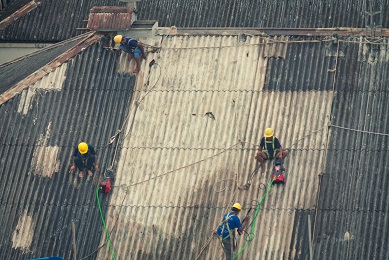
Safety is another critical consideration. Roof maintenance can involve hazardous activities, from climbing to heights to working with potentially dangerous tools. Professional roofing services are equipped with appropriate safety gear and protocols, thereby reducing the risk of accidents. On the other hand, engaging in DIY maintenance can expose homeowners to various dangers, especially if they lack proper training and equipment.
Cost factors also play an essential role in this debate. While DIY maintenance may seem financially appealing at first glance, the expenses associated with purchasing tools, materials, and potential mistakes can accumulate quickly. Professional services, although they require upfront investment, can save homeowners money in the long run through quality work that minimizes the need for future repairs.
However, the complexity of the tasks involved often leans in favor of professional help as well. Certain roofing issues, such as installation or extensive repairs, require specific knowledge and techniques that a homeowner might not possess. In contrast, simpler maintenance tasks may be performed by a diligent homeowner willing to invest time and effort.
Ultimately, the decision between hiring professionals or opting for DIY roof maintenance will depend on individual circumstances, such as budget, the nature of the maintenance work, and the homeowner’s confidence in their physical abilities to manage such tasks safely.
Cost of Roof Maintenance and Inspections
Understanding the financial aspect of roof maintenance and inspections is crucial for homeowners and property managers alike. The cost associated with regular maintenance typically varies based on several factors, including roof size, material, and the complexity of the roof’s design. Generally, homeowners can expect to spend between $200 to $600 per year on maintenance services, including inspections. However, in some cases, particularly with extensive or complex roofing systems, costs can exceed this range.
Another important factor influencing maintenance costs is the geographic location. In regions that experience extreme weather conditions or have a higher incidence of natural disasters, frequent inspections may be necessary, subsequently increasing total maintenance expenditures. The type of roofing material also plays a role; for instance, asphalt shingles might require less frequent maintenance compared to more intricate options like slate or tile roofs. Moreover, seasoned contractors may charge higher fees based on their expertise and the quality of service they provide.
Investing in regular roof inspections and maintenance can lead to significant long-term savings. By addressing minor issues promptly, homeowners can prevent costly repairs that might arise from neglecting maintenance practices. For example, a small leak that goes unnoticed can lead to extensive water damage, resulting in roof replacement or substantial repairs that can cost several thousand dollars. Moreover, roofs that are well-maintained typically have longer lifespans. Thus, the upfront costs of regular inspections may pale in comparison to the potential expenses associated with extensive repairs or premature roof replacements.
Long-Term Effects of Neglecting Maintenance
Regular roof maintenance is a fundamental aspect of home ownership that is often overlooked. Neglecting this essential task can lead to a cascade of long-term effects that can severely compromise the integrity of the roof and diminish the overall value of the property. One of the first significant consequences of inadequate maintenance is the onset of minor issues, such as small leaks or damaged shingles. Over time, these seemingly benign problems can escalate, leading to more severe water infiltration, mold growth, and structural damage.
Furthermore, the lack of routine inspections can result in untreated wear and tear that accumulates over the years. Cracks and gaps in roofing materials can allow moisture to seep through, ultimately damaging insulation and ceilings, which may require costly repairs. Homeowners may find themselves facing unexpected expenses to rectify these issues, which could have been easily prevented with consistent roof inspections and maintenance.
The aesthetic appeal of a home may also suffer as a result of neglecting roof maintenance. A deteriorating roof can contribute to unattractive sagging, discoloration, and an overall unkempt appearance, which can deter potential buyers and reduce resale value. The roof is not merely a structural component; it contributes significantly to the overall architectural beauty of a home. Consequently, an unmaintained roof can adversely affect the curb appeal and marketability of the property.
Moreover, the cost of roof replacement is significantly more than regular maintenance. It has been reported that homeowners can save thousands by investing in timely maintenance rather than waiting until repairs escalate into complete replacements. In summary, the long-term effects of neglecting roof maintenance can be detrimental, impacting both the structural integrity of the home and its financial value, underscoring the importance of proactive care and upkeep.
Conclusion and Call to Action
Regular roof maintenance is an essential aspect of homeownership that should not be overlooked. A well-maintained roof not only enhances the overall aesthetic appeal of a home but also significantly contributes to its structural integrity. By addressing small issues promptly, homeowners can prevent larger, more costly repairs down the line. Neglecting roof maintenance can lead to leaks, water damage, and even compromise the safety of the inhabitants. Therefore, investing time and resources into regular inspections and upkeep is crucial.
In addition to protecting your home, routine roof maintenance can extend the lifespan of roofing materials, improve energy efficiency, and ultimately save homeowners money over time. Taking proactive steps, such as clearing debris, checking for missing shingles, and ensuring proper drainage, can go a long way in preserving the functionality and beauty of a roof. Furthermore, seasonal inspections by professionals can identify potential problems before they escalate, ensuring that your investment remains secure.
We encourage readers to take these insights seriously and implement regular roof maintenance into their home care routines. Consider scheduling a roof inspection with a qualified roofing contractor to assess the condition of your roof and receive personalized recommendations for upkeep. If you prefer a hands-on approach, create a seasonal maintenance checklist to guide you through necessary tasks. Regardless of the method you choose, the key is to remain vigilant and proactive in caring for your roof. This not only safeguards your home but also provides peace of mind knowing that your living environment is protected against the elements.