


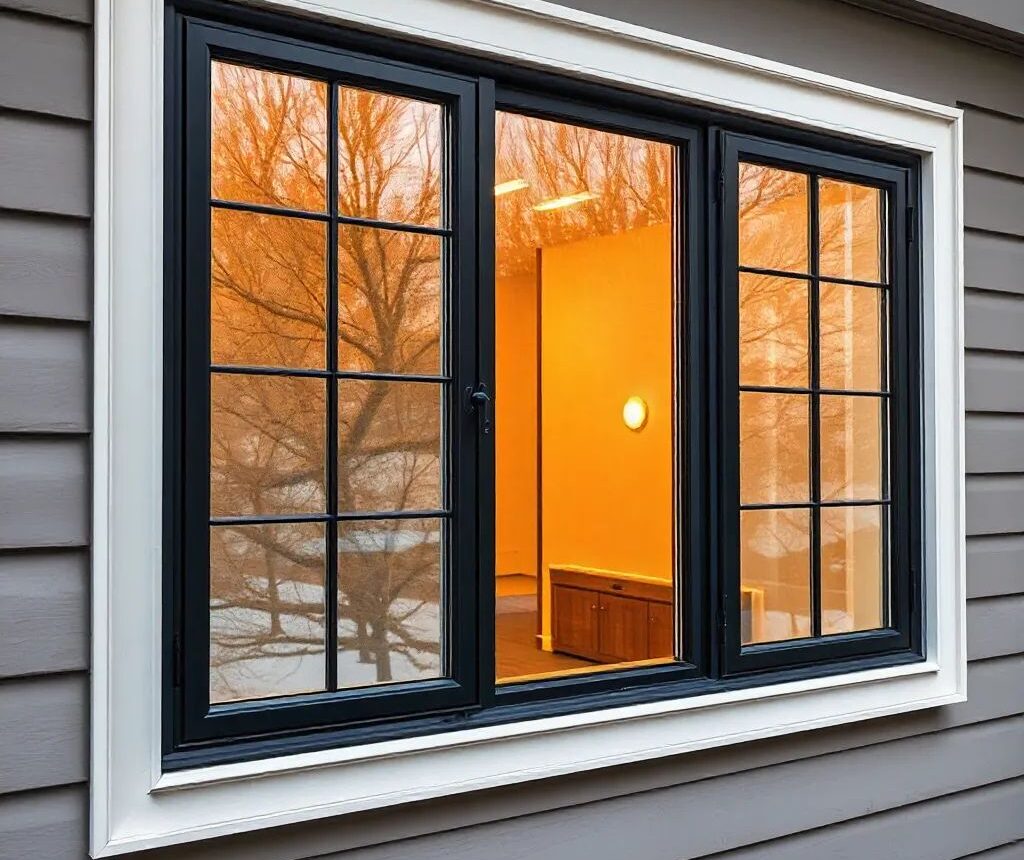
Introduction to Energy-Efficient Windows
Energy-efficient windows are a significant advancement in window technology, designed to minimize heat exchange between the interior and exterior of a building. Unlike conventional windows, which often allow heat loss in the winter and heat gain in the summer, energy-efficient windows incorporate several features that enhance their thermal performance. One of the most critical aspects of energy-efficient windows is insulation, which serves to reduce the transfer of heat. This is typically achieved through multiple panes of glass that create pockets of air or inert gas, such as argon or krypton, which act as thermal barriers.
Another vital component of these windows is low-emissivity (Low-E) glass, which is coated with a thin metallic layer to reflect heat while still allowing natural light to enter. This coating helps to keep indoor spaces warmer in the winter and cooler in the summer, contributing to a more comfortable living environment as well as lower energy bills. Furthermore, energy-efficient windows are often designed to reduce condensation and glare, providing additional benefits to homeowners.
There are various types of energy-efficient windows available on the market today, catering to different architectural styles and personal preferences. These include double or triple-pane windows, casement windows, sliding windows, and even specialty shapes and sizes. Each type offers unique advantages while maintaining the core principles of energy efficiency. Choosing the right window type is essential for achieving optimal performance and can significantly impact both the aesthetic appeal and energy consumption of a home.
Energy Savings and Cost Efficiency
In many households, a significant portion of energy expenses is attributed to heating and cooling. By installing energy-efficient windows, homeowners can effectively reduce these expenses. Energy-efficient windows are designed to provide superior insulation compared to traditional windows, which significantly minimizes heat loss during the winter and reduces heat gain during the summer. This improved thermal performance translates directly into lower utility bills.
According to the U.S. Department of Energy, replacing old windows with energy-efficient models can lead to energy savings of approximately 12% to 24% on heating costs and 10% to 15% on cooling costs, depending on the climate and the type of window selected. These statistics illustrate that the return on investment from such installations can be substantial over time. Homeowners should also consider that while the upfront costs of energy-efficient windows may be higher than standard windows, the long-term savings associated with reduced energy bills can help offset this initial expenditure.
Moreover, the installation of energy-efficient windows can enhance the overall value of a home. Real estate experts agree that energy-efficient upgrades are appealing to many potential buyers, making properties with such features more marketable. A report from the National Association of Realtors indicates that energy efficiency can increase a home’s resale value by 10% to 15%. This increase, paired with the ongoing savings on utility bills, demonstrates that the investment in energy-efficient windows can prove worthwhile both immediately through lowered bills and later if the home is sold.
Environmental Impact
Energy-efficient windows play a crucial role in reducing overall energy consumption in residential and commercial buildings. By minimizing heat transfer, these windows ensure that less energy is required for heating in the winter and cooling in the summer. This reduction in energy use directly correlates to a decrease in greenhouse gas emissions, which are major contributors to global warming. Thus, the installation of energy-efficient windows not only benefits individual homeowners but also significantly contributes to the reduction of carbon footprints on a larger scale.
The environmental advantage of energy-efficient windows extends beyond mere reduction in energy demand. The materials used in these windows are often sourced in a more sustainable manner. For instance, many manufacturers are embracing recycled materials or sustainably harvested wood in the production of window frames. This approach not only helps in conserving natural resources but also minimizes waste, making the environmental impact of construction more favorable.
Moreover, energy-efficient windows contribute to improving indoor air quality, which is an essential factor often overlooked. By enhancing thermal insulation and minimizing drafts, these windows mitigate the need for excess heating and cooling, which can exacerbate indoor pollutants. Consequently, this leads to healthier living environments and reduces the reliance on mechanical ventilation systems, further lessening energy use.
In essence, installing energy-efficient windows is a step towards sustainability that resonates throughout the ecosystem. By lowering energy consumption and promoting the use of environmentally friendly materials, they are an essential component in the pursuit of a greener, more sustainable future. The impacts of such choices can be profound, illustrating the interconnectedness of energy efficiency and environmental health.
Improved Comfort and Indoor Environment
Energy-efficient windows play a crucial role in enhancing the overall comfort and indoor environment of a home. One of the primary benefits these windows offer is their ability to maintain consistent indoor temperatures throughout the year. By reducing the transfer of heat and cold, energy-efficient windows help homeowners achieve a more stable and pleasant indoor climate, regardless of the weather conditions outside. This consistency is particularly beneficial during extreme temperatures, as it not only increases comfort levels but also reduces the reliance on heating and cooling systems.
Moreover, energy-efficient windows effectively minimize drafts, which are often a source of discomfort in many households. These drafts can lead to uneven heating or cooling within a home, making specific areas feel chilly or overly warm. With their advanced insulating properties, energy-efficient windows seal tightly to prevent air leakage, ensuring that conditioned air remains within the home. This not only enhances comfort but also contributes to energy savings, as less energy is required to maintain the desired temperature.
Another notable advantage of installing energy-efficient windows is their ability to significantly reduce condensation. Traditional windows can contribute to humidity issues, leading to moisture buildup and potential mold growth. Energy-efficient variants maintain a higher surface temperature, thereby minimizing the occurrence of condensation. This helps in promoting a healthier indoor environment.
Additionally, energy-efficient windows offer UV protection, shielding furnishings, carpets, and artworks from harmful ultraviolet rays that can cause fading. This protection not only supports the longevity of interior items but also enhances overall aesthetic appeal.
Finally, these windows contribute to sound reduction, providing a quieter indoor experience. The improved insulation qualities assist in keeping external noise levels at bay, creating a more tranquil home environment conducive to relaxation and productivity.
Enhanced Property Value
Investing in energy-efficient windows not only contributes to lower energy bills and improved comfort, but it can also significantly enhance the property value of homes. Properties equipped with energy-efficient features are increasingly appealing to buyers, who often prioritize sustainability and cost-efficiency when making purchasing decisions. Recent studies have shown that homes with energy-efficient windows can see an increase in resale value by anywhere from 3% to 8%, depending on the local market and other home features.
The appeal of energy-efficient windows lies in their ability to reduce heating and cooling costs, which is a prominent concern for prospective buyers. Many homebuyers are now looking for properties that reduce long-term utility expenses, creating a direct correlation between energy-saving features and a home’s market attractiveness. Additionally, homes with energy-efficient windows are often viewed as modern and well-maintained, which enhances their overall appeal to potential buyers.
Moreover, tax incentives and rebates offered for homes outfitted with energy-efficient features can be attractive to buyers, often sweetening the deal. Numerous studies from real estate professionals indicate that homes with Energy Star-rated windows enjoy a competitive edge during the sales process, thanks to lower energy costs and generally improved environmental footprints. As consumers grow increasingly aware of energy efficiency, it is expected that homes equipped with such features will continue to demand higher prices.
In conclusion, installing energy-efficient windows is a strategic approach to not only reducing energy costs but also significantly enhancing the value of your property. The financial benefits, combined with the growing consumer focus on sustainability, position energy-efficient windows as a valuable investment for homeowners looking to the future.
Government Incentives and Rebates
Homeowners considering the installation of energy-efficient windows can take advantage of various government incentives and rebates that significantly reduce the installation costs. Many federal, state, and local programs are designed to encourage energy efficiency improvements, which include substantial financial benefits. One of the most notable incentives is the federal tax credit for energy-efficient home improvements. Under this program, homeowners may be eligible for a tax credit that covers a percentage of the costs associated with eligible windows, thus making this investment more financially viable.
In addition to federal incentives, many states offer their own rebate programs that can further offset the costs of energy-efficient window installation. These rebates vary by state and often depend on specific performance criteria that the windows must meet. For instance, some states may provide cash rebates or discounts through utility companies, rewarding homeowners who choose windows that meet or exceed specific energy performance standards. It is advisable for homeowners to research available state programs, as they can offer valuable savings that contribute to the project’s overall affordability.
Utility companies are another source of incentives, often offering rebates on energy-efficient windows as part of their energy-saving initiatives. These rebates can take the form of direct cash back for the installation of qualifying windows, which can be applied at the point of purchase or installation. Homeowners should check with their local energy providers to discover available rebates that specifically relate to energy-efficient construction or upgrades.
In summary, leveraging government incentives and rebates can substantially reduce the financial burden on homeowners looking to install energy-efficient windows. By doing so, not only do homeowners enhance their property’s energy efficiency, but they also contribute positively to the environment while taking advantage of these beneficial financial programs.
Choosing the Right Energy-Efficient Windows
When selecting energy-efficient windows for your home or building, there are several key factors to consider to ensure that they meet your energy-saving goals effectively. One of the primary aspects to evaluate is the energy rating, which reflects a window’s overall performance in terms of insulation, solar gain, and air leakage. Look for windows with a high Energy Star or equivalent certification, as these indicators signify superior energy efficiency.
Next, the frame material plays a significant role in a window’s energy performance. Common materials include vinyl, wood, aluminum, and fiberglass, each with its unique advantages. Vinyl frames, for instance, offer excellent insulation at a more affordable price, while wood provides natural aesthetics and superior thermal performance. Meanwhile, fiberglass frames, although often more expensive, are incredibly durable and energy-efficient.
Glazing options are another critical factor to consider. Double or triple glazing with low-emissivity (low-E) coatings can significantly enhance thermal performance by reflecting heat back into the room during winter and reducing solar heat gain in the summer. The space between the glass panes can be filled with inert gases like argon or krypton to further improve insulation. Choosing the right glazing option not only aids in comfort but also lowers energy bills.
Moreover, it’s essential to take your local climate into account when selecting windows. Areas with high sun exposure may benefit from windows designed for solar control, while regions with extreme cold may require units with superior insulation properties. By aligning your window choices with your climate needs, you ensure that your investment enhances comfort and energy efficiency year-round.
In addition to these factors, always check for necessary certifications and efficiency ratings, as they provide an assurance of the window’s performance. Informed choices will ultimately lead to lasting benefits such as increased energy savings, comfort, and potential increases in property value.
Installation Process and Considerations
The installation of energy-efficient windows is a significant investment that can enhance the comfort and efficiency of a home. To ensure a successful installation process, homeowners should be aware of several key considerations. First and foremost, hiring certified professionals is crucial. Qualified contractors possess the necessary expertise and experience to install windows correctly, which is vital for maximizing energy efficiency. When selecting a contractor, look for licensed and insured professionals who have established a reputable history in window installation.
Homeowners can begin their search for qualified contractors by seeking recommendations from friends, family, or local building supply stores. Additionally, it is beneficial to read online reviews and obtain multiple quotes. This approach not only helps in determining fair pricing but also allows homeowners to gauge the professionalism of potential contractors. Checking for certifications or affiliations with relevant industry organizations can also indicate a contractor’s commitment to quality workmanship.
The installation process typically involves several steps, including the removal of old windows, preparation of the frame, and placement of the new energy-efficient windows. Timing can vary based on the number of windows being replaced and the specifics of the home. Generally, installation for a typical residential project may take one to three days. Homeowners should communicate with their contractors to establish a timeline and prepare for any unique challenges that might arise, such as weather conditions or structural modifications.
Proper installation is essential not only for aesthetic appeal but also for ensuring the performance of energy-efficient windows. Any gaps or misalignments can compromise the intended benefits, leading to increased energy costs and diminished comfort. Therefore, it is always advisable to prioritize expertise in the installation process to fully reap the rewards of energy-efficient windows.
Conclusion and Final Thoughts
In an era where energy efficiency is at the forefront of sustainable living, the installation of energy-efficient windows emerges as a significant improvement for homeowners. The benefits of such windows extend beyond mere aesthetics, promoting enhanced thermal performance and substantial energy savings. By utilizing advanced technologies such as double or triple glazing, low-emissivity coatings, and insulating frames, these windows effectively reduce heat transfer, ultimately leading to a more comfortable living environment.
One of the most critical advantages of energy-efficient windows is their ability to lower utility bills. With improved insulation and reduced reliance on heating and cooling systems, homeowners can witness a noticeable reduction in energy expenditures. Furthermore, in regions characterized by extreme climates, these windows play a crucial role in maintaining optimal indoor temperatures throughout the year, thereby potentially increasing the overall value of a property.
Additionally, energy-efficient windows contribute positively to environmental sustainability. By reducing energy consumption, these installations help decrease the overall carbon footprint associated with energy production. This dual benefit of conserving resources while promoting a healthier planet underscores the importance of considering such updates during home renovations or new constructions.
In light of these compelling advantages, readers are encouraged to evaluate the long-term benefits of installing energy-efficient windows in their homes. Not only does this investment yield substantial savings and comfort, but it also aligns with an eco-conscious approach towards modern living. Transitioning to energy-efficient windows is, without question, a worthy pursuit for any homeowner looking to enhance their living space while contributing to a more sustainable future.