


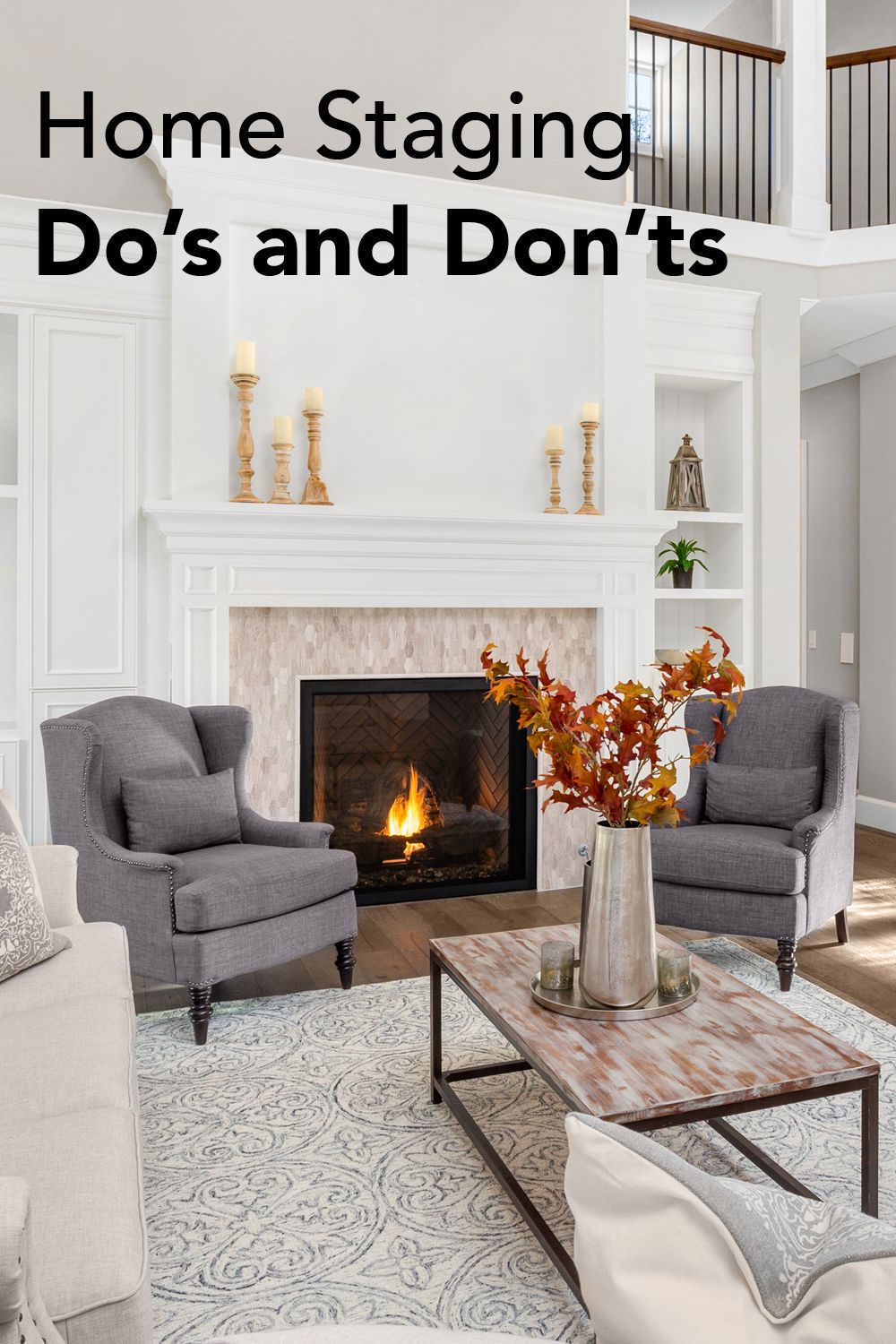
Selling a home in Los Angeles isn’t just about location and square footage anymore. Buyers today scroll through dozens of listings before they ever step foot inside a property, and first impressions happen on a screen long before they happen in person. That’s where the right staging strategy makes all the difference, transforming an empty or outdated space into something buyers can picture themselves living in.
If you’ve ever walked through a model home and felt an instant pull toward it, you’ve experienced the power of professional staging firsthand. It’s not about hiding flaws or dressing up a property with flashy furniture. It’s about creating an emotional connection between a space and the people touring it, one that lingers long after they’ve left and influences the offer they eventually make.
For homeowners and real estate agents across Southern California, staging has shifted from a nice-to-have to a near-necessity. The competition is fierce, buyer expectations are higher than ever, and the margin between a quick sale and a stale listing often comes down to presentation.
Why Does Home Staging Matter So Much in Today’s Market?
Los Angeles buyers are sophisticated, well-researched, and often juggling multiple viewings in a single weekend. They’re not just evaluating square footage and school districts; they’re forming snap judgments based on how a space feels. A cluttered living room or an awkwardly furnished bedroom can quietly plant doubt, even if the bones of the house are excellent.
Staged homes tend to photograph better, show better, and sell faster. Buyers find it easier to visualize their own lives unfolding in a space that’s been thoughtfully arranged, with furniture scaled correctly and rooms styled to highlight their best features rather than their limitations. This isn’t about trickery. It’s about removing friction between a buyer’s imagination and the reality standing in front of them.
Pricing also plays a role here. Homes that sit on the market too long often face price reductions, which can signal to buyers that something’s wrong. A well-staged home creates urgency and desirability from day one, often leading to stronger offers and a quicker path to closing.
What Happens When a Home Isn’t Staged Properly?
An unstaged or poorly staged home doesn’t necessarily look bad, but it often looks forgettable. Empty rooms can feel smaller than they are, odd furniture placement can make spaces feel cramped or awkward, and personal clutter can distract buyers from noticing architectural details worth highlighting.
The result is a listing that blends into the background instead of standing out. In a market where buyers are scrolling through endless photos online, blending in is the last thing a seller wants.
How Does Professional Staging Actually Work?
Staging isn’t a one-size-fits-all formula. Every home has its own layout, lighting, and architectural quirks, which means a good staging plan starts with understanding the property itself rather than applying a generic template.
A thoughtful staging process typically includes:
- An initial walkthrough to assess each room’s strengths, challenges, and target buyer profile
- Furniture and decor selection chosen specifically for the home’s scale, style, and natural light
- Strategic placement designed to improve flow and make rooms feel larger and more functional
- Finishing touches like artwork, textiles, and accessories that add warmth without overwhelming the space
The goal throughout is subtlety. The best staging doesn’t scream for attention; it quietly guides buyers through a story about how they could live in the home, room by room.
Does Staging Work for Every Type of Property?
Staging adapts well across property types, from compact condos to sprawling single-family homes. Smaller spaces often benefit from staging that emphasizes openness and smart furniture scaling, while larger homes may need staging that defines each room’s purpose clearly so buyers understand how the space functions.
Vacant homes tend to see the biggest transformation, since empty rooms can be hard for buyers to mentally furnish on their own. Occupied homes, meanwhile, often benefit from decluttering and strategic restyling that highlights existing strengths.
Why Choose a Local Staging Partner Instead of a DIY Approach
It’s tempting to think a few throw pillows and a quick furniture rearrangement can replicate professional results. In practice, staging requires an understanding of buyer psychology, design principles, and the specific expectations of the local market.
A seamless, design-driven process that takes the stress out of preparing a property for sale starts with working alongside a team that knows the nuances of the Los Angeles real estate scene. Trends shift, buyer preferences vary by neighborhood, and what feels fresh in one part of the city might not resonate in another. Stage My Home LA approaches each property individually, pairing design expertise with practical real estate know-how to create spaces that photograph beautifully and show even better in person.
Rather than offering generic packages, the focus stays on tailoring every detail to the home’s unique layout and target buyer. That kind of attention often shows up directly in how quickly a property moves and how strong the resulting offers are.
Making the Most of Your Next Listing
Staging has become one of the most reliable ways to help a home stand out in a crowded, competitive market. It bridges the gap between a property’s potential and a buyer’s imagination, often tipping the scales toward a faster sale and a better price.
If you’re preparing to list a home in Los Angeles, it’s worth treating staging as a core part of your selling strategy rather than an afterthought. The right design choices, informed by local market knowledge, can be the difference between a listing that lingers and one that moves quickly through escrow.