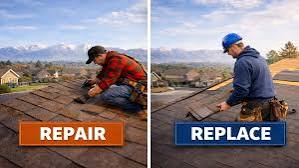
Key Takeaways
- Small, isolated roof problems can often be repaired without replacing the entire system.
- Recurring leaks, widespread wear, sagging, and damaged decking can point to a need for replacement.
- Roof age matters, but material type, installation quality, ventilation, drainage, and weather exposure matter too.
- A useful inspection should evaluate the roof surface, flashing, attic, drainage, and any visible structural concerns.
- Compare long-term costs, not just the first price on a quote.
Table of Contents
- Why the Repair-or-Replace Decision Matters
- Warning Signs That Your Roof Needs Attention
- When Roof Repair Makes Sense
- When Roof Replacement Is the Better Choice
- What a Professional Roof Inspection Should Include
- How to Compare Repair and Replacement Costs
- How Materials, Climate, and Efficiency Affect the Decision
- Questions to Ask Before Hiring a Roofing Contractor
- A Simple Step-by-Step Decision Process
- Frequently Asked Questions
- Conclusion
A roof problem can create an urgent decision: repair the damaged area now or invest in a full replacement. A qualified roofing contractor in the United States should be able to explain the condition of the entire roof system, not simply recommend the largest project.
The best choice depends on the source and spread of the damage, the roof’s remaining service life, and whether water has affected materials beneath the surface. A repair can be the sensible option when it resolves a limited problem. Replacement may offer better value when failures are widespread or likely to continue.
Why the Repair-or-Replace Decision Matters
Different recommendations are possible because roofs are systems made up of the covering, flashing, underlayment, decking, ventilation, and drainage details. A low-cost repair can be appropriate on a generally sound roof, while the same repair may only delay a larger issue on an aging roof with repeated leaks. Delaying a known leak can allow moisture to reach insulation, drywall, wood components, and finishes.
Warning Signs That Your Roof Needs Attention
Inspect from the ground and from inside the home whenever possible. Avoid walking on the roof unless you have suitable training and safety equipment.
Exterior Warning Signs
- Missing, cracked, curled, lifted, or visibly worn shingles.
- Damaged flashing near chimneys, walls, skylights, vents, valleys, and roof edges.
- Sagging roof lines, standing water on low-slope areas, exposed underlayment, or rusted metal components.
- Large amounts of shingle granules are collecting in gutters or near downspouts.
Interior Warning Signs
- Ceiling or wall stains, peeling paint, bubbling drywall, or damp trim.
- Musty odors, wet insulation, visible daylight in the attic, or signs of moisture near the roof framing.
Prompt attention is important because controlling moisture indoors is central to limiting mold growth after a leak or water intrusion.
When Roof Repair Makes Sense
Repair is often practical when damage is limited, and the surrounding roofing remains in good condition. The key is confirming that the repair addresses the cause of the problem rather than covering its visible symptom.
- A few shingles were damaged by wind or a fallen branch.
- A pipe boot, sealant joint, or section of flashing has failed.
- One leak can be traced to a specific roof penetration or localized defect.
- The roof still has useful service life, and the decking and underlayment in the affected area are sound.
When Roof Replacement Is the Better Choice
Replacement deserves serious consideration when deterioration affects multiple areas or when repairs have become repetitive. Broad cracking, curling, brittleness, granule loss, recurring leaks, soft decking, or sagging can indicate that the roof system needs more than another patch.
Repeated repairs can become expensive because each visit may resolve one weak point while another develops nearby. Matching older materials may also be difficult, and water can travel beneath the roof covering before it becomes visible indoors.
What a Professional Roof Inspection Should Include
A thorough inspection should document roof-surface condition, flashing, valleys, penetrations, drainage paths, gutters, visible underlayment, and accessible attic conditions. It should also look for moisture, ventilation concerns, soft or deteriorated decking, and evidence of storm damage. Ask for photos and written notes that connect the recommendation to specific observations.
How to Compare Repair and Replacement Costs
Do not compare estimates by total price alone. Review what is included, excluded, and uncertain in each scope of work.
- Repair: Usually has a lower upfront cost and shorter timeline. It is best suited to localized, identifiable damage, but other aging areas may still require attention later.
- Replacement: Usually costs more initially and takes longer. It can address the roof covering, flashing, ventilation details, and damaged decking discovered during the project.
Ask whether removal, disposal, permits, cleanup, flashing, ventilation work, and decking repairs are included. Also, ask what happens if hidden damage is found and what workmanship coverage is provided.
How Materials, Climate, and Efficiency Affect the Decision
Roof materials show wear differently. Asphalt shingles may curl, crack, lose granules, or lift in the wind. Metal roofs can develop issues with fasteners, seams, coatings, and flashing. Tile roofs may have broken tiles while the underlayment below ages. Low-slope roofs need close attention to seams, drainage, and ponding water.
Hail, hurricanes, snow loads, freeze-thaw cycles, intense sunlight, salt air, tree debris, and prolonged rain can all influence wear. If replacement is needed, review insulation, intake, and exhaust ventilation, and roof color together. The Department of Energy notes in its cool roof guidance that climate, insulation, roof type, and heating and cooling equipment can affect energy results.
Questions to Ask Before Hiring a Roofing Contractor
- Are you licensed and insured for this work, where required?
- Will you inspect the attic, flashing, drainage, and accessible decking?
- Why is repair or replacement recommended in this case?
- Can you provide separate options if both approaches are reasonable?
- Who will supervise the project, protect the property, and handle cleanup?
- Will all materials, warranties, and possible additional work be stated in writing?
A Simple Step-by-Step Decision Process
- Document stains, leaks, and visible damage with photos from safe locations.
- Find records that show the roof’s approximate age and repair history.
- Determine whether the issue is isolated or appearing across several areas.
- Request a complete inspection and a clearly written scope of work.
- Compare long-term value, including future repair risk and planned home improvements.
- Get another opinion if recommendations conflict or estimates vary substantially.
Frequently Asked Questions
Can a Roof Leak Be Repaired Without Replacing the Whole Roof?
Yes. A localized leak caused by flashing, a damaged shingle, or a failed vent boot may be repairable if the surrounding roof remains sound.
How Old Is Too Old for a Roof Repair?
There is no universal age limit. The decision should account for the roofing material, overall wear, prior repairs, weather exposure, and condition below the surface.
Should Homeowners Get More Than One Estimate?
Yes. Multiple written estimates can reveal important differences in materials, preparation, hidden-work allowances, warranty terms, and cleanup.
Conclusion
Choosing between roof repair and replacement should be based on evidence, not fear or the lowest number on a quote. A careful inspection, a clear scope, and an honest review of the roof’s overall condition can help homeowners select the option that provides durable protection and sensible long-term value.