

A grinder can continue operating even when its wear parts are already too worn to work efficiently. Wear usually happens gradually, so the first signs may be changes in output size, grinding performance, vibration, or the visible condition of individual components. If you wait until a part breaks completely, you may already be dealing with reduced productivity or additional equipment issues. Regular inspection helps you recognize these changes earlier and decide when a worn component should be replaced.
Check for Changes in Grinding Output
One of the first signs of wear is a noticeable change in the material coming out of the grinder. If the same type of material is being processed under similar operating conditions, the output should remain reasonably consistent.
Watch for signs such as:
- Changes in particle size: The finished material becomes larger or less consistent than before.
- More unprocessed material: Some material passes through without being processed as expected.
- More reprocessing: You need to run material through the grinder again to reach the desired result.
- Lower output consistency: The grinder produces noticeably different results from one load to another.
Regular inspection of grinder wear parts can help you identify whether worn components are contributing to these changes. However, also consider changes in feed material, moisture, loading conditions, or machine settings before assuming wear is the only cause.
Look for Visible Wear or Damage
A visual inspection can often reveal that a wear part is approaching the end of its useful life. Check the main components after stopping the grinder safely, and look for changes that are more than normal surface wear.
Pay attention to:
- Tips and teeth: Cutting edges may become rounded, chipped, or noticeably worn down.
- Hammers: Look for excessive wear, cracks, or deformation that changes the original shape.
- Screens: Check for enlarged holes, cracks, or damaged sections that may affect material sizing.
- Anvils: Inspect the working edge for heavy wear, chips, or other visible damage.
- Wear plates: Look for areas that have become significantly thinner or damaged.
You do not always need to wait until a component breaks completely before replacing it. Significant wear can already affect grinding results and may reduce how effectively the component protects or processes material.
Pay Attention to Changes in Grinding Performance
Wear can also show up in the way the grinder operates. If processing the same type and amount of material starts taking longer, or the machine produces less material in the same period, the wear parts may need inspection. You may also notice more material passing through without proper processing, or need to adjust the machine more often than before.
Unusual vibration or noise can be another warning sign, particularly when it appears alongside visible wear. However, these changes do not always come from worn components. Check the feed material, moisture level, rotor speed, loading conditions, and machine settings as well. Comparing current performance with normal operating conditions can help you identify whether wear is likely contributing to the problem.
Inspect the Anvil and Wear Plates
Some wear parts are easy to overlook because they do not look like cutting tools. The anvil works with the cutting components to help process material, so a heavily worn anvil edge can change how the material is broken down. Check the working edge for excessive wear, chips, or visible damage.
Wear plates also deserve attention because they help protect areas of the grinder from repeated contact with abrasive material. If a wear plate has become significantly thin or damaged, it may no longer provide the intended protection. Checking these components along with the main cutting parts gives you a better picture of the grinder’s overall condition.
Check the Mounting Components Too
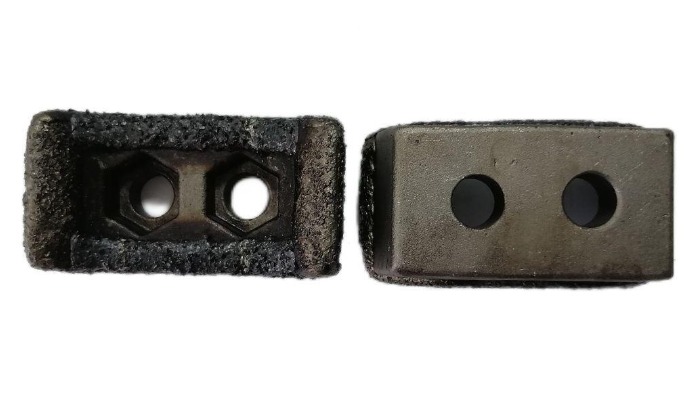
Do not focus only on the parts that directly process the material. Holders, bolts, nuts, pins, and mill rods can also wear during regular grinding operations and affect how the main wear parts are secured.
Before installing a new component, check for:
- Loose or damaged bolts and nuts
- Worn holders or mounting points
- Damaged pins or excessive wear around the connection
- Worn mill rods that may affect component movement or positioning
A new hammer or tip may not perform properly if the holder or mounting hardware is already worn. Checking these supporting components during routine inspection can help you avoid replacing one worn part while leaving another potential problem unaddressed.
Do Not Wait Until a Part Fails Completely
A wear part does not have to break before it becomes worth replacing. A worn tip may still process material but produce poorer grinding results, while a damaged screen can make the output size less consistent. Similarly, heavily worn hammers may become less effective at breaking down material, and a severely worn wear plate may provide less protection to the area behind it.
Replacing a component based on its condition rather than waiting for complete failure can help you maintain more consistent grinding and avoid continuing to operate with parts that are no longer performing as intended.
Confirm the Part Before Ordering a Replacement
Before ordering a replacement, check the important details of the part you are replacing. Do not rely only on its appearance, especially if several components look similar.
Check:
- Machine model: Make sure the part is intended for your specific grinder.
- Part number: Compare the part number with the existing component when available.
- Dimensions: Check the length, width, thickness, and other relevant measurements.
- Mounting configuration: Make sure the holes, holders, pins, or other connection points match.
- Component type: Confirm that you are replacing the same type of wear part.
Taking these details into account can help prevent fitting problems and unnecessary replacement work. If you want to review available grinder wear parts and related components, learn more here.
Conclusion
You do not have to wait for a grinder wear part to fail completely before replacing it. Changes in output, grinding performance, or visible wear can provide useful warning signs. Regular inspections help you identify worn components earlier and address them before they affect normal grinding operations.