Understanding Energy Efficiency
Energy efficiency refers to the use of technology and practices that require less energy to provide the same level of service or output in homes. By optimizing energy consumption, households can significantly reduce their energy use without sacrificing comfort or utility. This concept is crucial as it not only contributes to lower utility bills but also plays a substantial role in reducing the household’s overall carbon footprint.
Households that prioritize energy efficiency find themselves benefiting economically through decreased energy expenses. Implementing energy-efficient solutions – such as insulation, energy-efficient windows, and advanced heating and cooling systems – can result in significant savings over time. Moreover, many utility companies provide incentives for homeowners who invest in energy efficiency upgrades, making these improvements more accessible.
Beyond cost savings, energy efficiency promotes sustainable living, enabling families to lessen their impact on the environment. By consuming less energy, households contribute to reduced demand for power generation, which often relies on fossil fuels that release greenhouse gases into the atmosphere. Transitioning to renewable resources like solar panels or wind energy can further enhance a home’s energy efficiency and sustainability efforts.
The selection of energy-efficient appliances also plays a significant role in a home’s energy profile. Appliances that are rated for energy efficiency typically use less energy during operation compared to their standard counterparts, translating to lower long-term operating costs and reduced energy consumption. When upgrading or purchasing new appliances, opting for those labeled as Energy Star certified is a practical approach to ensure energy efficiency.
Assessing Your Current Energy Usage
To improve your home’s energy efficiency, the first step is to conduct a comprehensive energy audit. This process is essential for understanding how energy is consumed throughout your home and identifying areas where energy efficiency can be enhanced. Begin by collecting your utility bills from the past year. Scrutinizing these bills will provide insight into your energy consumption patterns, allowing you to observe peak usage times and any fluctuations that may signal inefficiencies.
Next, consider the various appliances and systems within your home. Tools like energy monitors or smart plugs can help track the energy consumption of specific devices. These gadgets can often pinpoint not only which appliances are using the most energy but also highlight those that draw power even when not in use, commonly referred to as phantom loads. Additionally, take time to assess the age and condition of your heating, cooling, and water systems, as outdated equipment may significantly elevate energy costs.
Moreover, evaluating your home’s insulation and windows is crucial in identifying energy waste. Poor insulation can lead to excessive heating and cooling costs due to air leakage. Consider conducting a blower door test to measure air leakage rates if you lack insulation knowledge. If necessary, seek assistance from energy audit professionals who can conduct a detailed assessment, using advanced tools like infrared cameras to detect hidden energy losses.
Through this detailed analysis, you will be able to recognize both significant and minor sources of energy waste, empowering you to make informed decisions regarding energy-saving upgrades. By taking these steps, you set the groundwork for boosting your home’s energy efficiency effectively.
Upgrading Insulation and Sealing Leaks
Improving a home’s energy efficiency begins with proper insulation and air sealing. Insulation acts as a barrier to heat movement, keeping warmth in during colder months and out during warmer months. When insulation is inadequate or damaged, a significant amount of energy is wasted, driving up heating and cooling costs. Upgrading insulation is, therefore, an essential step toward achieving enhanced energy efficiency.
There are various types of insulation materials available, including fiberglass, foam, cellulose, and spray foam. Each of these materials offers different benefits and is suitable for various areas of a home. For instance, fiberglass batts are commonly used for walls and between rafters, while spray foam provides excellent air sealing properties and can be utilized in hard-to-reach spaces. When selecting insulation, consider factors such as R-value, moisture resistance, and compatibility with existing structures to maximize effectiveness.
Proper installation is crucial to ensure that insulation performs as intended. This includes placing insulation snugly without gaps, compressions, or voids. Additionally, it is essential to maintain ventilation to avoid trapping moisture and creating conditions conducive to mold growth. Homeowners can often tackle basic insulation upgrades as DIY projects, especially in accessible areas, but complicated installations or upgrades concerning structural elements may necessitate hiring professionals.
In addition to upgrading insulation, sealing leaks around doors, windows, and other openings is critical. Common materials to use for sealing gaps include caulk, weatherstripping, and spray foam sealants. To identify potential leaks, homeowners should conduct a thorough inspection or consider hiring a professional to perform a home energy audit. Addressing these leaks is paramount to achieving a sealed envelope that enhances the overall energy efficiency of the home.
In summary, upgrading insulation and effectively sealing leaks can significantly reduce energy costs and increase comfort within the home. Engaging in these practices will not only lead to immediate savings but also contribute to sustainable energy use over time.
Energy-Efficient Heating and Cooling Systems
Creating an energy-efficient home involves the implementation of effective heating and cooling systems. The choice of such systems significantly impacts energy consumption and overall utility costs. By adopting modern solutions, homeowners can enhance both comfort and environmental responsibility.
One highly effective option is the installation of high-efficiency HVAC systems. These systems utilize advanced technology to heat or cool a home more effectively than traditional systems. For example, Energy Star-rated HVAC units are designed to use less energy while maintaining optimal performance. This not only reduces energy bills but also contributes to lowering carbon footprints.
Another important aspect of energy efficiency in heating and cooling is the use of programmable thermostats. These devices allow homeowners to set specific temperatures for different times of the day or days of the week. By automatically adjusting the temperature based on individual schedules, programmable thermostats help to minimize unnecessary heating or cooling when the home is unoccupied.
Additionally, alternative heating methods, such as heat pumps, are gaining popularity due to their versatility and efficiency. Heat pumps transfer heat between the interior of the home and the outside environment, offering both heating in winter and cooling in summer. This dual functionality often results in lower energy consumption compared to conventional heating systems.
To maintain the energy efficiency of these heating and cooling systems, regular maintenance is essential. Homeowners should schedule annual inspections and cleanings to ensure optimal performance. Simple tasks, such as changing filters and checking for leaks, can significantly enhance the efficiency of these systems, ensuring they operate at peak performance while consuming less energy.
The Importance of Energy-Efficient Windows and Doors
Energy-efficient windows and doors play a vital role in improving the overall energy performance of a home. They significantly influence heat retention and temperature regulation, thereby reducing reliance on heating and cooling systems. One key feature of energy-efficient windows is double or triple glazing, which involves multiple layers of glass that trap air in between. This design enhances insulation, minimizing the transfer of heat and cold, ensuring a comfortable indoor environment during all seasons.
Another significant consideration is the integration of Low-E (low emissivity) coatings. These microscopically thin metallic coatings reflect heat back into the home while allowing natural light to penetrate. By reducing the amount of ultraviolet and infrared light that enters through the glass, Low-E coated windows help maintain stable indoor temperatures. This leads to reduced energy expenditures on heating in winter and cooling in summer.
In terms of air leakage, weatherstripping is essential for enhancing energy efficiency. Properly installed weatherstripping around windows and doors prevents drafts, preventing conditioned air from escaping and unconditioned air from entering. This can substantially reduce heating and cooling costs, leading to significant energy savings over time.
Upgrading or retrofitting existing windows and doors with energy-efficient options not only contributes to lowering utility bills but also improves indoor comfort and air quality. Homeowners can often qualify for energy efficiency rebates and tax credits, making such improvements more financially attainable. Ultimately, investing in energy-efficient windows and doors is a crucial step toward enhancing a home’s energy efficiency and sustainability.
Choosing Energy-Efficient Appliances
One of the most impactful ways to enhance your home’s energy efficiency is by selecting appliances that are designed to consume less energy. When contemplating new appliances, it is crucial to look for those that come with energy labels, which provide important information about their energy consumption. These labels typically indicate how much energy the appliance uses per year, allowing you to compare different models and make informed decisions.
In particular, pay attention to the ENERGY STAR certification. Appliances that have earned this designation are recognized for meeting strict energy efficiency guidelines set by the U.S. Environmental Protection Agency. This rating not only helps consumers identify more efficient products but also encourages manufacturers to innovatively reduce energy consumption in their designs. By opting for ENERGY STAR-rated appliances, homeowners can significantly lower their energy bills while contributing to a reduced carbon footprint.
Furthermore, it is essential to understand the implications of using older appliances. Many households are still operating devices that were manufactured decades ago, which often utilize outdated technologies that consume far more energy than modern alternatives. For example, older refrigerators, washing machines, or water heaters tend to be less efficient, resulting in higher overall energy costs. Replacing these outdated appliances with energy-saving options can yield immediate savings on utility bills.
When considering replacements, evaluate your specific needs and look for models that not only fit within your existing space but also maximize energy efficiency. Research various brands and read customer reviews to gauge reliability and performance. By making an informed choice, you can improve your home’s energy efficiency and enjoy the benefits of decreased energy costs and a more sustainable lifestyle.
Utilizing Renewable Energy Sources
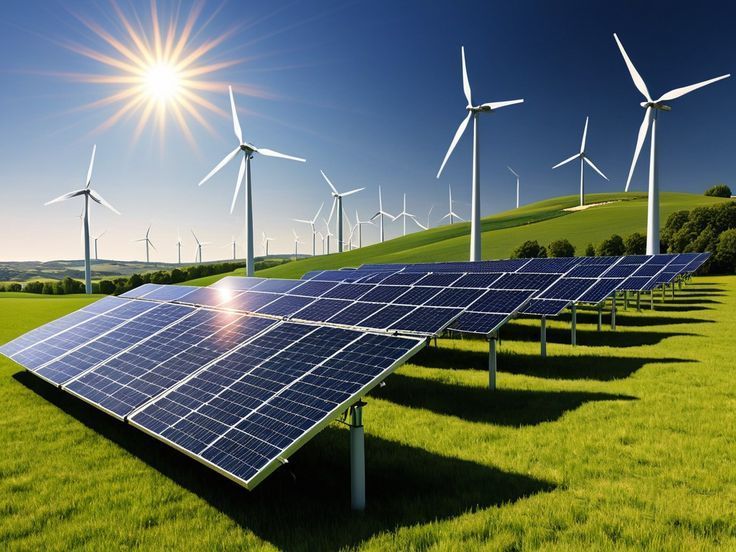
In an era where energy efficiency is paramount, utilizing renewable energy sources in your home can significantly reduce reliance on traditional fossil fuels, thereby cutting energy costs and minimizing environmental impact. One of the most popular renewable energy options is solar power, which harnesses sunlight through solar panels installed on rooftops or in yards. The initial investment for solar panels can be substantial, often ranging from $15,000 to $30,000, depending on system size and installation. However, many homeowners experience long-term savings on their energy bills, and various federal and state incentive programs can alleviate the upfront costs.
Another feasible option is wind energy. Small wind turbines can be installed on residential properties in areas with sufficient wind resources. Like solar, wind systems often come with high initial costs, but they can yield a significant return on investment by decreasing reliance on grid electricity. Homeowners should assess local wind conditions and potential zoning regulations before installation to determine the feasibility of this energy source.
Geothermal energy is an additional renewable resource gaining traction. It utilizes the stable temperatures beneath the Earth’s surface to regulate home heating and cooling efficiently. The installation of a geothermal heating system can be costly and requires space for underground pipes, yet considerable savings can be realized over time through reduced utility bills and increased property value.
Incorporating these renewable energy sources not only contributes to an eco-friendlier lifestyle but also promotes energy independence. Homeowners interested in transitioning to renewable sources should research available state and federal rebates, tax credits, and financing programs, which can play a vital role in making the switch more affordable and feasible.
Smart Home Technologies for Energy Efficiency
In recent years, smart home technologies have gained significant traction as effective tools for enhancing energy efficiency within residential settings. These technologies play a pivotal role in managing and monitoring energy consumption, making it easier for homeowners to optimize their electricity usage and reduce utility costs.
One of the key components of smart home technology is the smart meter. Smart meters provide real-time data on energy consumption, allowing homeowners to track their usage patterns closely. This data can reveal peak consumption times and identify opportunities for reducing unnecessary energy expenditure, thereby facilitating a more efficient energy management strategy. By enabling users to make informed decisions regarding their energy usage, smart meters contribute to overall energy savings.
Energy management systems further enhance the potential for improving energy efficiency. These systems integrate various smart devices and appliances within a home, enabling centralized control over energy usage. Through mobile applications or web interfaces, homeowners can adjust settings based on their preferences and schedules, leading to significant reductions in energy consumption. For example, one can program thermostats to lower heating or cooling during off-peak hours or automate lighting to turn off when no one is present in a room.
In addition to smart meters and energy management systems, an assortment of smart devices such as smart thermostats, smart plugs, and energy-efficient appliances contribute to a home’s energy efficiency. Smart thermostats learn the occupants’ habits and adjust temperatures accordingly, helping to minimize energy waste. Meanwhile, smart plugs facilitate the monitoring of energy usage among individual devices, enabling homeowners to identify and address high energy-consuming appliances.
As technology continues to evolve, the integration of smart home technologies emerges as a key strategy in enhancing energy efficiency. Adopting these innovations not only contributes to more sustainable energy consumption but also leads to cost savings over time, making them a worthwhile investment for homeowners looking to improve their energy management practices.
Creating a Sustainable Energy Plan
Establishing a sustainable energy plan is an essential step in improving your home’s energy efficiency. A well-thought-out plan not only helps you to reduce energy consumption but also leads to long-term cost savings. Start by setting clear and realistic goals for what you aim to achieve. For example, you may want to reduce your energy bills by a certain percentage or lower your carbon footprint over a specific timeframe. These goals will serve as guiding principles as you strategize and implement upgrades.
Next, budgeting for improvements is crucial. Assess your financial capacity and figure out how much you can invest in energy efficiency enhancements. Remember, some upgrades may have higher initial costs but offer significant long-term savings. Prioritizing these upgrades based on their effectiveness and cost will make your sustainable energy plan more impactful. For instance, insulation and energy-efficient windows may have a higher upfront cost but yield stronger improvements in your home’s overall efficiency compared to minor modifications.
Periodic evaluation of your energy plan is also vital. Once you initiate energy-saving measures, consistently monitor their efficiency and effectiveness. This involves tracking energy bills, conducting energy audits, or employing smart home technology that allows you to analyze usage patterns. Adjustments may be necessary as technology evolves or your lifestyle changes. Building a culture of continuous assessment within your home ensures that your energy efficiency strategy remains effective over time.