


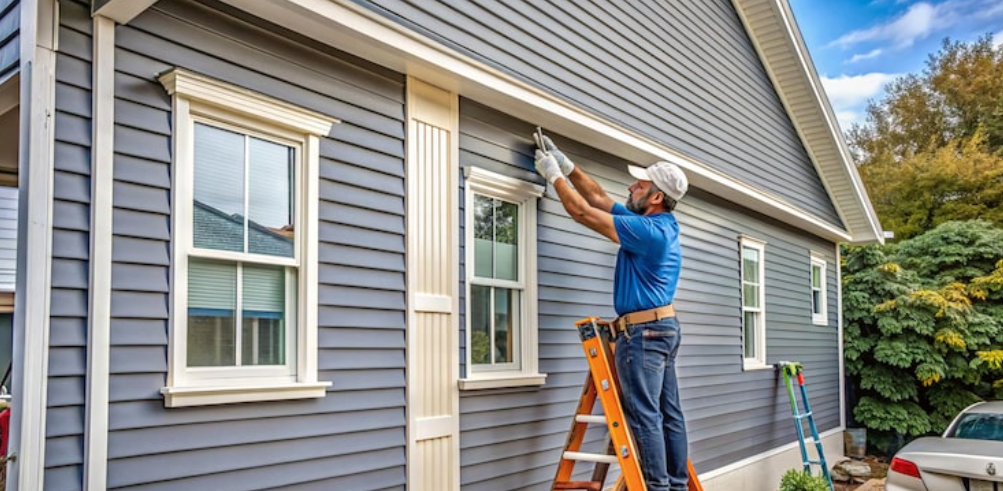
Siding does more than make a house look nice from the street. It’s the barrier between your home and every nor’easter, humid summer, and salty gust that blows in off the water.
When it starts to fail, small problems turn into expensive ones fast, and that’s exactly why finding the right Siding Contractor matters just as much as picking the material itself.
Here’s what to actually look for, what to ask, and where homeowners tend to go wrong when hiring someone.
Why This Decision Carries More Weight Than People Expect
Siding has to protect your home every day, through every season, often without anyone thinking much about it. It’s quietly shielding your house from moisture, wind, and temperature changes all year long.
When it’s installed poorly, or with the wrong materials for the job, trouble tends to creep in slowly. A small gap lets moisture through. A panel warps in the heat. A seam loosens during a bad storm.
By the time you notice, there’s a decent chance damage is already lying underneath, out of sight.
That’s why hiring someone experienced, rather than whoever can show up soonest, saves people money and headaches later.
What to Look For Before Hiring Anyone
Someone Who Knows This Coastline
Exposure to the water creates conditions inland homes just don’t deal with. Salt air, strong winds, humidity that changes hard between seasons- all of it puts extra stress on siding that a lot of materials weren’t built to handle.
A general contractor who’s worked here for years knows which materials actually hold up and which ones fail early. That kind of knowledge usually only comes from years spent working in this specific environment, whether that experience lives at a dedicated siding company or at a contractor who has handled exterior work, roofing, siding, gutters, and more.
Licensing and Insurance, No Exceptions
Before you hire anyone, confirming they’re properly licensed and insured shouldn’t even be a question; it should just be step one. It protects you if something goes wrong mid-project, and honestly, it’s a good sign you’re dealing with someone legitimate.
If a contractor hesitates or gets vague when you ask about this directly, take that seriously. It’s usually telling you something.
They Communicate
A contractor who walks you through the process, answers your questions directly, and gives you a written estimate before touching your house is usually much easier to work with from start to finish.
Vague pricing, or someone who won’t put details in writing, almost always turns into a problem later, usually at the worst possible moment.
Why Hands-On Experience Matters More Than the Company’s Size
A contractor with deep, hands-on experience in siding, whether that’s their sole focus or one of several exterior services they specialize in, tends to know the material options, installation techniques, and local weather challenges.
That specialization matters, not necessarily how narrow their service list is.
A traditional contractor, by comparison, often oversees a wide range of unrelated trades and may hand siding work off to a subcontractor rather than handling it directly.
Working with a contractor who performs the siding work themselves, whether they focus only on siding or handle it as part of a broader set of exterior services, usually means more direct communication and fewer people standing between you and the actual work.
When a Broader Renovation Project Changes the Equation
That said, a general contractor becomes the smarter call when siding is one piece of something bigger, a full exterior overhaul that also touches the roof, windows, and structural work all at once.
In that situation, working with a contractor who already handles comprehensive siding services under one roof, rather than coordinating several separate companies, can save you from juggling multiple schedules and points of contact.
Questions Worth Asking Before You Commit
A few direct questions tend to tell you a lot about who you’re talking to:
- How many years have you specifically worked with siding?
- Do you have examples from projects around here I could see?
- What materials would you recommend for coastal exposure?
- What does your warranty cover, and for how long, specifically?
- What’s a realistic timeline for something this size?
Someone who answers these clearly, instead of giving you a vague, indirect answer, tends to be the safer bet long-term.
Red Flags Worth Taking Seriously
A few things should make you pause. Pressure to sign on the spot, with no time to actually read the estimate, usually means you’re dealing with someone more focused on closing the deal than doing good work.
A bid that’s noticeably lower than everyone else’s is another one worth questioning. Material and labor costs don’t vary that much between reputable contractors, so a huge price gap often means corners are getting cut somewhere you won’t notice until later.
And if a contractor can’t point you to local references or show you photos of past work, that’s worth noting too. Good contractors are usually happy to show it off.
A Quick Word on Materials
Different siding materials hold up differently depending on your home and how exposed it is. Vinyl stays popular because it’s affordable and handles moisture reasonably well.
Fiber cement holds up better against fire and coastal weather, which is why it’s common closer to the water. Wood gives you that classic look but requires much more upkeep.
A contractor worth hiring should walk you through these options honestly, not just steer you toward whatever earns them the biggest margin.
Making the Final Call
Once you’ve got a few estimates in hand, it gets easier to compare them once you stop looking at price alone. Communication, the strength of their past work, and how thoroughly they answered your questions usually matter more in the long run than saving a couple hundred dollars upfront.
Siding is a long-term investment, plain and simple. Choosing purely on lowest cost tends to backfire, costing more down the road than you saved upfront.
Final Thoughts
Finding the right Siding Contractor in East Hampton takes some research, but it pays off in work that actually holds up against everything this coastline throws at it. Ask the right questions, check the licensing, and pay attention to how someone communicates before you ever sign anything.
Whether you need someone focused specifically on siding or a contractor who handles siding alongside roofing, gutters, and other exterior work, taking the time to choose carefully upfront is what makes the finished result worth it.