


Introduction
Packaging is often treated as the final step before a parcel leaves a warehouse, but it can have a much bigger impact on the success of a delivery. A poorly sealed carton, inadequate cushioning, or unsuitable wrapping can leave products vulnerable to movement, moisture, impact, and general handling damage.
For businesses operating in Manchester, choosing practical packaging materials can help create a more reliable packing process while keeping everyday costs under control. From sealing cartons with strong adhesive tape to cushioning fragile products with bubble wrap and securing larger loads with pallet wrap, each material has a specific role.
A well-planned packaging system does not necessarily mean using expensive materials. In many cases, simple and economical solutions such as polypropylene tape bubble wrap, and protective polystyrene can provide the combination of convenience and protection that businesses need.
Why Packaging Should Be Part of Your Shipping Strategy
Every parcel goes through several stages after it leaves a business. It may be moved between vehicles, placed into storage areas, loaded onto pallets, or handled numerous times before reaching its destination.
The packaging therefore needs to do more than simply look presentable. It should hold the contents securely and reduce the possibility of damage during normal transportation.
For local companies, selecting packaging supplies that are easy to use and readily available can also improve efficiency. Staff can spend less time preparing individual parcels when the right materials are always within reach.
This is particularly useful for businesses dealing with regular orders, warehouse stock, online sales, or distribution operations.
The Role of Packaging Tape in Secure Cartons
A cardboard box can provide excellent protection, but its effectiveness depends partly on how securely it is closed. This is where adhesive packaging tape becomes essential.
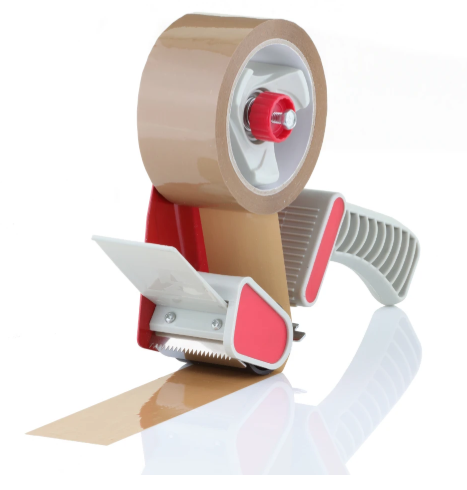
Packaging tape Manchester businesses use for everyday shipping needs can be particularly useful because it provides a straightforward way to close cartons without complicated equipment. Standard tape rolls can be used with industry-compatible dispensers, helping workers seal boxes quickly and consistently.
Polypropylene is widely used for packaging tape because it offers a useful balance between affordability and performance. The material can provide a dependable seal while resisting tearing and splitting during normal use.
For companies that pack numerous parcels every day, this balance can make a noticeable difference. A tape that is economical, simple to handle, and sufficiently strong for routine shipments can help reduce unnecessary packaging expenditure.
Clear, Brown and Speciality Tape Options
Packaging requirements are not identical for every shipment. Clear tape is suitable for general carton sealing, while brown tape can blend naturally with conventional cardboard boxes.
There are also situations where the packaging itself needs to communicate information. For example, fragile or delicate goods may benefit from clearly marked tape that alerts handlers to take additional care.
Choosing the appropriate tape is therefore not simply a matter of colour. The intended use, carton type, handling conditions, and presentation requirements should all be considered.
What Makes Polypropylene Tape a Practical Choice?
For routine packing operations, polypropylene tape is an economical option that can be used across a wide range of applications.
One of its main advantages is that it provides a strong adhesive seal without being unnecessarily expensive. This makes it suitable for both businesses and household packing requirements.
A business might use it to seal outgoing orders, close storage cartons, or prepare products for courier collection. At home, the same type of tape can be useful when moving house, storing possessions, or sending parcels.
Another advantage is compatibility with standard tape dispensers. Using a dispenser can make the packing process faster and more comfortable, particularly when employees are sealing a large number of boxes.
Benefits of Using the Right Packaging Tape
The correct tape can contribute to a more organised and dependable packing process.
1. Reliable Box Sealing
A properly applied adhesive tape helps keep carton flaps closed during handling and transportation. This reduces the chance of a box opening unexpectedly.
2. Lower Packaging Costs
Polypropylene-based tape is considered an economical packaging option. For companies purchasing supplies regularly, selecting cost-effective materials can help manage operating expenses.
3. Faster Packing
Tape that works with standard dispensers allows employees to seal cartons quickly rather than manually struggling with individual pieces of adhesive.
4. Versatile Everyday Use
The same general-purpose tape can be useful for shipping, storage, moving, and many other routine packaging tasks.
5. Easy Stock Management
Packaging tape is relatively compact compared with many other packaging materials, making it practical to keep additional rolls available in a warehouse or packing area.
When Bubble Wrap Becomes Essential
Tape protects the outside of a carton, but it cannot stop fragile products from moving around inside it. Internal cushioning is therefore just as important for delicate goods.
Bubble wrap is a simple solution for absorbing some of the impact that products may experience during transportation or storage.
Different bubble sizes can be useful for different packaging situations. Larger bubbles can provide cushioning for bigger or heavier items, while smaller bubbles are useful around delicate products and for filling empty spaces within cartons.
This flexibility makes bubble wrap suitable for businesses shipping products as well as households protecting belongings during a move.
Another practical advantage is that rolls can sometimes be cut to suit specific requirements. Instead of using an unnecessarily large piece of material for every item, packaging teams can use an appropriate amount according to the size of the product.
Protecting Larger Loads with Pallet Wrap
Individual boxes are not the only items that require protection. Warehouses and distribution businesses often need to secure several cartons together on a pallet.
This is where Pallet Wrap Manchester solutions can become an important part of a wider packaging strategy. Stretchable pallet film can be wrapped around grouped goods to help keep the load together during movement and transportation.
A properly secured pallet can be easier to handle and less likely to have individual cartons shift away from the main load. This is especially valuable when products are being moved around a warehouse or transported over longer distances.
The key is to select packaging according to the scale of the shipment. Carton tape may be appropriate for individual boxes, while pallet wrapping is better suited to consolidating multiple packages.
Expanded Polystyrene for Specialist Protection
Some products require more than flexible wrapping. Expanded polystyrene, commonly referred to as EPS, can provide lightweight cushioning and insulation for a variety of applications.
EPS is predominantly made up of air, which contributes to its low weight. It can also be cut and shaped relatively easily, allowing it to accommodate different packaging requirements.
Its characteristics make it useful for protective packaging, while its thermal insulation properties can also be beneficial in other applications. Depending on the requirement, flame-retardant grades may also be available.
For businesses handling unusual shapes or products requiring additional protection, rigid protective materials can complement conventional packaging such as cardboard boxes, tape, and bubble wrap.
How to Build a More Efficient Packing Station
A productive packing area should make commonly used materials easy to access.
A simple setup might include cardboard cartons, Packaging tape Manchester suppliers can provide in suitable quantities, a compatible tape dispenser, bubble wrap, protective inserts, and pallet wrapping materials.
Keeping materials organised can reduce unnecessary movement around the workplace. It can also help employees follow a consistent packing procedure.
A useful process might look like this:
- Select a carton appropriate for the product.
- Add cushioning where necessary.
- Position the item securely inside the box.
- Fill excessive empty space to limit movement.
- Close the carton carefully.
- Seal the main seams using suitable tape.
- Apply handling or fragile identification where required.
- Consolidate larger shipments onto pallets.
- Secure palletised goods before transportation.
This approach combines relatively simple materials into a more dependable overall system.
Choosing Packaging Materials Based on the Job
There is no single packaging material that works perfectly for every product. The best choice depends on what is being shipped and how it will be handled.
For example, a lightweight carton containing ordinary products may only require dependable sealing tape. A fragile electronic item could need bubble wrap and additional internal cushioning. A large collection of cartons being transported together may require pallet wrapping to keep the load stable.
Businesses should therefore consider the entire journey rather than focusing on one packaging product.
Questions worth asking include:
- Is the product fragile?
- Could it move around inside the box?
- How heavy is the shipment?
- Will several cartons be transported together?
- Does the packaging need special handling instructions?
- How frequently will the business use the material?
- Is the packaging economical for regular purchasing?
Answering these questions can help businesses avoid both under-packaging and unnecessary material usage.
Benefits of a Complete Packaging Approach
Combining different packaging products can create several practical advantages.
Better protection: Different materials address different risks, from impact to movement and unsecured cartons.
Improved efficiency: Standardised packing procedures can help employees prepare shipments faster.
Cost control: Affordable materials such as polypropylene tape can be used for routine requirements without compromising basic carton security.
Greater flexibility: Bubble wrap, EPS protection, carton tape, and pallet wrapping can be selected according to individual shipment requirements.
Professional handling: Consistently sealed and protected parcels can create a more organised dispatch process and reduce avoidable packaging problems.
Conclusion
Effective packaging is not necessarily about choosing the most expensive material. It is about matching the right product to the right job.
For everyday carton sealing, polypropylene tape offers an economical and versatile option that works well for businesses and households. Bubble wrap can add cushioning around fragile products, while expanded polystyrene can provide lightweight and shaped protection where more specialised packaging is required.
For larger shipments, Pallet Wrap Manchester businesses rely on can help consolidate and stabilise multiple cartons during warehouse handling and transportation.
By combining these materials intelligently, companies can create a packaging process that is practical, efficient, and cost-conscious. Whether the requirement is a few parcels for a small business or regular warehouse dispatches, choosing dependable packaging supplies can make every stage of the shipping process more secure.