


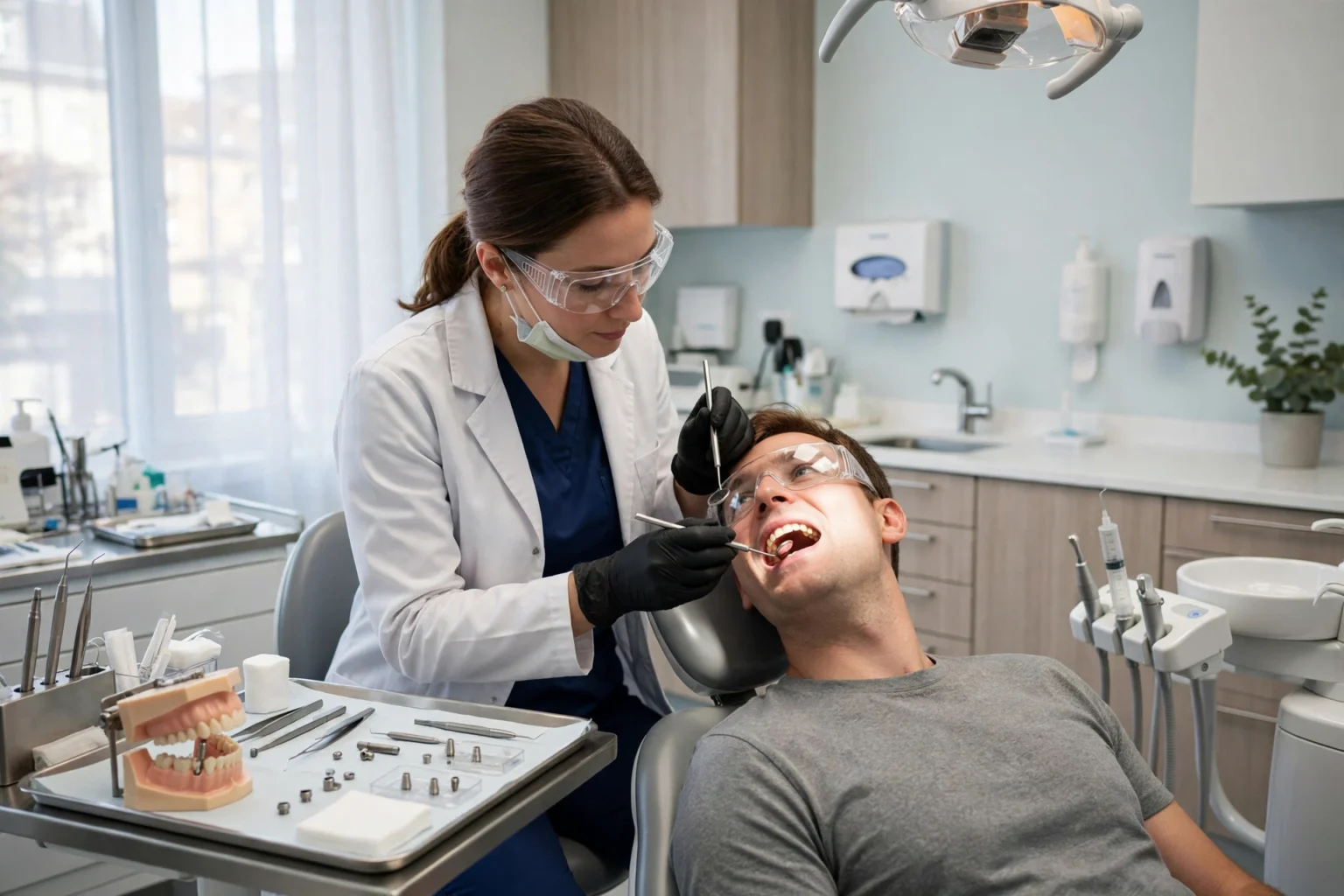
You may be focused on the missing tooth, the implant timeline, the cost, and whether the final result will feel normal again. That makes sense. When a tooth is gone or failing, it is easy for all your attention to land on the empty space. The problem is that implants do not sit in isolation. They depend on the health of the gums, bone, and the teeth beside them, which is why seeing a gum specialist in Bay Shore, NY can be an important step. If gum disease is active, the neighboring teeth can keep losing support even while you are planning to replace one tooth.
That is why periodontal therapy often comes first. It lowers infection, calms inflammation, and helps protect the teeth next to the implant site from further damage. A stable foundation gives the implant a better chance to succeed, and it also helps you keep the natural teeth you still have. In plain terms, treating the gums is not a side issue. It is part of protecting your whole mouth.
Periodontal disease can threaten more than the missing tooth space
If you have been told you need an implant, there is a fair chance the original tooth was lost because of decay, fracture, trauma, or periodontal disease. When gum disease is part of the picture, the risk does not stop at one tooth. Bacteria and inflammation can keep breaking down the bone and ligament support around nearby teeth. You might not feel much pain at first, which is one reason people are caught off guard when they hear that other teeth are at risk too.
That slow damage matters during implant planning. An implant needs enough healthy bone and healthy gum tissue around it. The teeth next to the implant need stability as well, because they help distribute bite forces and maintain spacing. If those teeth are inflamed, loose, or losing bone, the entire treatment plan becomes less predictable. What seemed like a single tooth problem can turn into a wider rebuilding process.
Gum therapy before dental implants reduces bacterial load and helps your periodontist see the true condition of the tissues. Once swelling drops, pocket depths can be measured more accurately, bone loss is easier to evaluate, and decisions about grafting or timing become clearer. That protects your investment and helps avoid treating symptoms while the underlying disease keeps moving.
Protecting adjacent teeth starts with controlling inflammation
Inflamed gums do more than bleed when you brush. They create an environment where harmful bacteria thrive, and they weaken the structures that hold teeth in place. The neighboring teeth around an implant site are often already doing extra work, especially if you have been chewing on one side or shifting your bite to avoid discomfort. Add untreated periodontal disease to that, and those teeth can wear down faster or lose support faster.
A periodontal treatment for implant protection plan may include scaling and root planing, more frequent periodontal maintenance, bite adjustment, improved home care, and in some cases surgical treatment to reduce deep pockets or rebuild lost tissue. The goal is simple. Stop active disease, preserve bone, and create conditions where both the implant and nearby teeth can remain stable.
Research supports this approach. Evidence reviewed in a published study on periodontal health and dental implants shows that periodontal status has a direct effect on implant outcomes, especially in patients with a history of periodontitis. Ongoing care matters too. The American Dental Association includes adult non surgical ongoing periodontal care guidance that reflects how important maintenance is after active treatment.
Periodontist and implant dentist care creates a safer long term plan
You do not want an implant placed into a mouth where disease is still active. You also do not want the neighboring teeth ignored because all attention went to the implant itself. A periodontist and implant dentist looks at the support system around the missing tooth, not just the replacement. That includes gum thickness, bone levels, pocket depth, bite force, and how easy the area will be to keep clean after treatment.
Think about a common situation. One molar is missing, and the teeth beside it have early bone loss from gum disease. If the implant is placed without treating the periodontal condition, those neighboring teeth may continue to loosen over time. If they fail later, the implant can end up sitting in a mouth that is less stable than expected. Treating the gums first gives those teeth a better chance to stay healthy and continue supporting your bite.
Practical differences between implant treatment with and without periodontal therapy
| Approach | Likely effect on neighboring teeth | Implant planning impact | Long term outlook |
|---|---|---|---|
| Implant treatment after periodontal therapy | Lower inflammation, less ongoing bone loss risk, better support for adjacent teeth | More accurate measurements, clearer timing for grafting or placement, cleaner healing environment | More stable maintenance path with regular periodontal follow up |
| Implant treatment with untreated gum disease | Higher risk of continued bone loss around nearby teeth, bleeding, pocketing, and tooth mobility | Harder to judge tissue health, greater risk of complications, less predictable healing | Higher chance of future problems affecting both natural teeth and implant tissues |
This is where periodontal therapy during implant treatment adds real value. It protects what you still have while making the replacement process more predictable. That matters financially too. Saving neighboring teeth can help you avoid added procedures later.
Three steps you can take right away
Ask for a full periodontal evaluation. Do not settle for a plan centered only on the missing tooth. Ask about pocket depths, bleeding, bone levels, gum recession, and whether the teeth next to the implant site show signs of active disease.
Get active treatment before implant placement if disease is present. If your gums bleed easily, if you have deep pockets, or if bone loss shows on X rays, deal with that first. This may mean non surgical therapy, periodontal maintenance, or surgical care depending on the severity.
Commit to maintenance after the implant is placed. The work does not end when the implant crown goes in. Keep your periodontal recall visits, clean carefully around the implant and neighboring teeth, and report bleeding, swelling, or changes in bite early.
Healthy gums help you keep both the implant and the teeth beside it
If you are already dealing with a missing tooth, it is normal to want the fastest path to a replacement. Speed is not the same as stability. When periodontal disease is treated first, you give the implant a cleaner foundation and give the surrounding teeth a better chance to stay strong. That is often the difference between a short term fix and a result that lasts.
If you are considering care with a periodontist and implant dentist, ask for a treatment plan that protects the neighboring teeth as carefully as it replaces the missing one.