


Anxiety has a way of sneaking up on people. One day you feel a little on edge before a work presentation, and the next you find yourself lying awake at 2 a.m. rehearsing conversations that have not happened yet. For millions of people, that gradual shift from ordinary worry to something heavier is deeply confusing, partly because anxiety is so good at disguising itself as logic. Understanding what anxiety actually is, how it takes root, and what genuinely helps can make an enormous difference in how someone approaches getting better.
What Anxiety Really Is (Beyond the Everyday Word)
Most people use the word anxiety to describe feeling stressed or nervous, and that casual use is completely understandable. Clinically, though, anxiety disorders are something more specific. They involve persistent, excessive fear or worry that is disproportionate to the actual situation and that interferes with daily functioning. The Anxiety and Depression Association of America estimates that anxiety disorders affect about 40 million adults in the United States each year, making them the most common category of mental health condition in the country.
There are several distinct types of anxiety disorders, and they do not all look the same. Generalized Anxiety Disorder (GAD) involves chronic, wide-ranging worry. Panic Disorder centers on sudden, intense episodes of fear. Social Anxiety Disorder involves extreme self-consciousness in social situations. Specific phobias are intense fears tied to particular objects or scenarios. Knowing which type someone is dealing with matters a great deal because treatment approaches vary.
| Disorder | Core Feature | Common Symptoms |
| Generalized Anxiety Disorder | Persistent, uncontrollable worry across multiple areas | Restlessness, fatigue, difficulty concentrating, muscle tension |
| Panic Disorder | Recurrent unexpected panic attacks | Racing heart, shortness of breath, dizziness, fear of dying |
| Social Anxiety Disorder | Intense fear of social scrutiny or embarrassment | Avoidance of social situations, sweating, trembling, nausea |
| Specific Phobia | Excessive fear of a specific object or situation | Immediate fear response, avoidance, recognition that fear is excessive |
| Agoraphobia | Fear of places where escape seems difficult | Avoidance of crowds, public transit, open spaces |
The Biology Behind an Anxious Brain
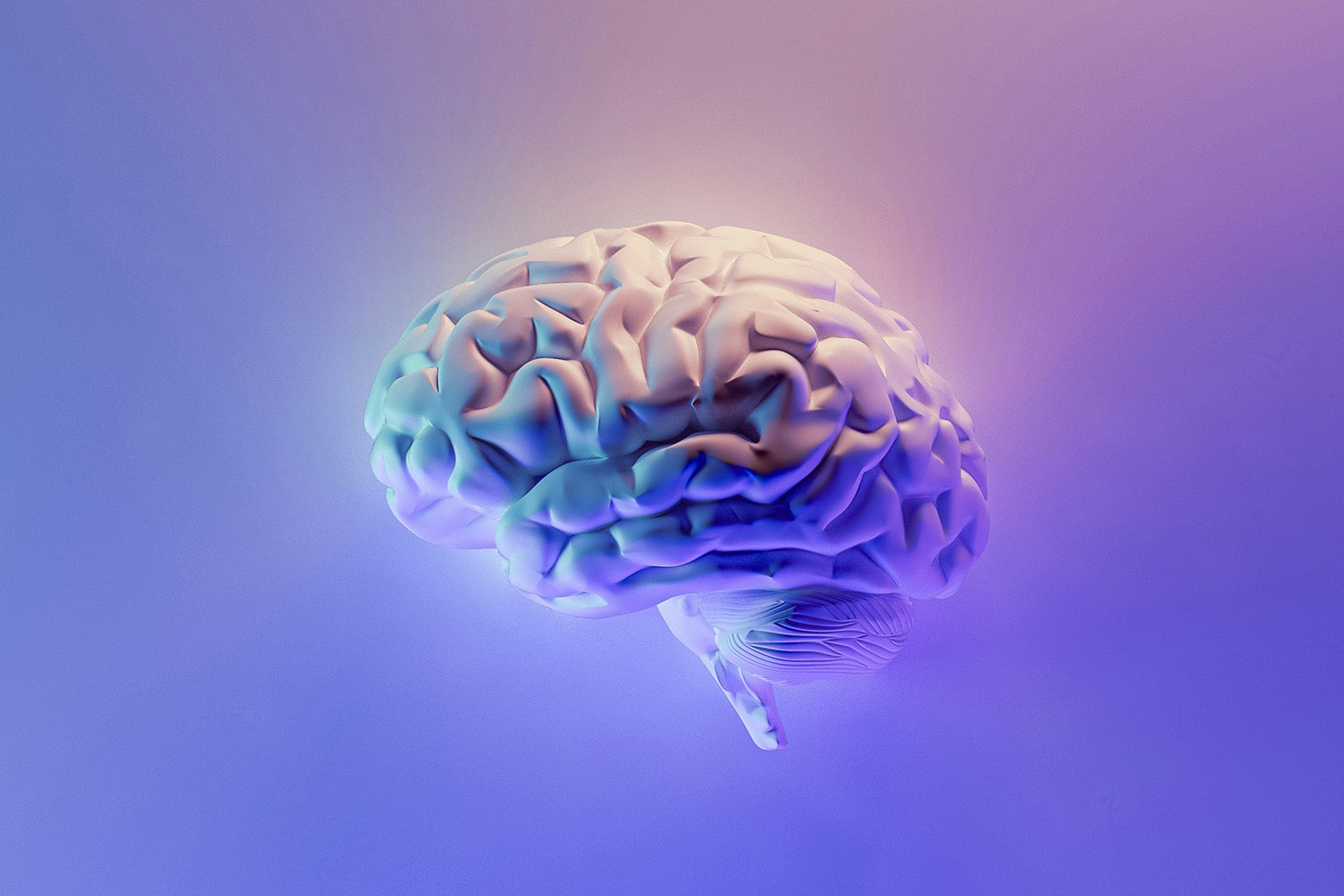
To understand why anxiety feels so physical, it helps to know what is happening neurologically. The amygdala, a small almond-shaped structure deep in the brain, acts as the body’s threat-detection system. When it perceives danger, whether real or imagined, it triggers the hypothalamus to activate the sympathetic nervous system. The result is what most people know as the fight-or-flight response: adrenaline and cortisol flood the body, heart rate increases, muscles tighten, digestion slows, and breathing quickens. This is a survival mechanism that evolved over hundreds of thousands of years.
The problem with anxiety disorders is that the amygdala becomes chronically overactive. It begins firing in response to perceived threats that are not physically dangerous, like an unanswered email, a crowded subway car, or a difficult phone call. Research published in journals like Biological Psychiatry has shown that people with anxiety disorders often have a hyperreactive amygdala and reduced activity in the prefrontal cortex, the part of the brain responsible for rational evaluation and emotional regulation. That imbalance makes it genuinely harder for anxious individuals to talk themselves down, not because they lack willpower, but because the brain architecture is working against them.
How Anxiety Develops Over Time
Anxiety rarely appears out of nowhere. It tends to build through a combination of genetic predisposition, early life experiences, chronic stress, and learned behavioral patterns. Having a parent or sibling with an anxiety disorder increases a person’s risk, according to research from the National Institute of Mental Health. But genetics alone do not determine outcomes. Environmental factors play a significant role, particularly adverse childhood experiences, prolonged stress, trauma, or major life transitions.
One of the most important mechanisms that keeps anxiety alive is avoidance. When a situation feels threatening, the natural impulse is to avoid it. That avoidance brings immediate relief, which feels like a reward. Over time, the brain learns that avoidance equals safety, and the feared situation becomes even more frightening because it has never been tested. This cycle, sometimes called the anxiety maintenance cycle, is one of the primary targets of effective treatment.
The Role of Chronic Stress
Chronic stress and anxiety share a complicated relationship. Ongoing stressors, whether financial pressure, relationship difficulty, or demanding work environments, keep cortisol levels elevated for extended periods. Over time, elevated cortisol can actually reshape brain structures, reducing the volume of the hippocampus (which helps contextualize memories and regulate the amygdala) and reinforcing anxious thought patterns. This is part of why someone who appears to be handling stress fine can suddenly feel like anxiety is overwhelming. The accumulation has been happening quietly in the background.
Evidence-Based Treatments That Actually Work
The good news is that anxiety disorders are among the most treatable mental health conditions. Several approaches have decades of clinical research behind them, and outcomes are generally positive when people engage consistently with care.
- Cognitive Behavioral Therapy (CBT): Widely considered the gold standard for anxiety treatment. CBT helps people identify distorted thought patterns and gradually change their behavioral responses to feared situations. A meta-analysis in the journal Psychological Medicine found CBT to be effective for the majority of anxiety disorder patients.
- Exposure and Response Prevention (ERP): A specific form of behavioral therapy particularly useful for OCD and phobias, involving gradual, structured confrontation with feared stimuli.
- Acceptance and Commitment Therapy (ACT): Rather than trying to eliminate anxious thoughts, ACT focuses on changing the relationship with those thoughts so they lose their power to dictate behavior.
- Medication: SSRIs and SNRIs are considered first-line pharmacological options for many anxiety disorders. Benzodiazepines may be used short-term in some cases, though they carry risks of dependence.
- Mindfulness-Based Stress Reduction (MBSR): An eight-week structured program originally developed at the University of Massachusetts Medical School. Research supports its effectiveness in reducing anxiety symptoms, particularly for GAD.
- Exercise: Multiple studies have shown that regular aerobic exercise produces measurable reductions in anxiety symptoms, likely by reducing cortisol, increasing GABA activity, and promoting neuroplasticity.
People living in urban areas with access to specialized mental health services have more options than they might realize. For example, those seeking anxiety treatment in Houston can access providers who specialize in specific anxiety disorders and offer evidence-based therapies tailored to individual presentations, rather than a one-size-fits-all approach. Geographic access to specialized care is genuinely valuable, because not every anxiety disorder responds best to the same intervention.
What Effective Treatment Actually Looks Like Day to Day
One misconception about anxiety treatment is that it means lying on a couch and talking about childhood for years. Modern evidence-based therapy is typically structured, skills-oriented, and time-limited. A course of CBT for GAD, for instance, might run 12 to 20 sessions. The work happens both in the therapy room and outside of it. Between sessions, clients practice skills, test assumptions, and gradually confront avoided situations in a controlled way.
Progress is rarely linear. Many people notice early improvements followed by periods where symptoms seem to plateau or briefly worsen, particularly during exposure-based work. That is expected. The brain needs repeated, corrective experiences to update its threat assessments. Sticking with the process during those harder stretches tends to produce more durable results than stopping when it gets uncomfortable.
The Importance of Individualized Assessment
Because anxiety disorders vary so widely, a thorough clinical assessment at the start of treatment is genuinely valuable. A good assessment goes beyond checking off symptom lists. It looks at the history and development of the anxiety, co-occurring conditions (depression frequently accompanies anxiety disorders), prior treatment experiences, lifestyle factors, and the person’s own goals. That picture determines which therapeutic approach is most likely to help and at what pace to proceed.
Lifestyle Factors That Support Recovery
Formal treatment works best when it is supported by daily habits that regulate the nervous system. Sleep is especially important. Chronic sleep deprivation reliably worsens anxiety symptoms, and research from UC Berkeley found that even one sleepless night can increase emotional reactivity by up to 60 percent. Caffeine, while deeply ingrained in most people’s routines, is a known anxiogenic substance that amplifies physiological arousal and can trigger or worsen panic symptoms.
- Prioritize sleep consistency: going to bed and waking at the same time daily helps regulate the HPA axis, the hormonal system most directly tied to the stress response.
- Limit caffeine, particularly in the afternoon and evening, when its effects are most likely to interfere with sleep.
- Build regular aerobic exercise into the week, even 20 to 30 minutes three times a week has shown measurable effects on anxiety symptoms.
- Practice diaphragmatic breathing: slow, deep breaths activate the parasympathetic nervous system and can interrupt the early stages of a panic response.
- Reduce alcohol: while alcohol feels like it reduces anxiety temporarily, it disrupts sleep architecture and tends to increase baseline anxiety levels over time.
None of these habits replace professional treatment for clinical anxiety, but they create a physiological environment that makes treatment more effective and makes the brain more receptive to change. Thinking of lifestyle adjustments and formal therapy as complementary, rather than alternatives, tends to produce better outcomes than relying on either alone.
Anxiety is one of the most human experiences there is, and there is nothing weak or unusual about struggling with it. What has changed significantly over the past few decades is the quality and specificity of the tools available to address it. Whether someone is dealing with low-level chronic worry or severe, debilitating panic, there are structured, tested pathways toward real improvement. The first step is usually the hardest: recognizing that what you are experiencing is not just stress, and that it is worth taking seriously enough to get proper help.