Raising a child with autism comes with countless questions. How can you help them communicate more easily? What’s the best way to support their social development? How do you build skills that will serve them for a lifetime? For many families, the answer lies in a well-established, evidence-based approach that has helped thousands of children reach milestones once thought out of reach.
At The Autism Therapy Group (ATG), we’ve seen firsthand how the right therapeutic approach can transform a child’s ability to connect, communicate, and navigate the world around them. This post will walk you through what this therapy involves, why it works, and how it might fit into your family’s journey.
What Is Applied Behavior Analysis Therapy?
Applied Behavior Analysis is a scientifically grounded approach that focuses on understanding behavior and how it’s influenced by the environment. Rather than taking a one-size-fits-all approach, trained therapists observe a child’s unique strengths and challenges, then design a personalized plan to encourage positive behaviors while reducing those that interfere with learning or daily life.
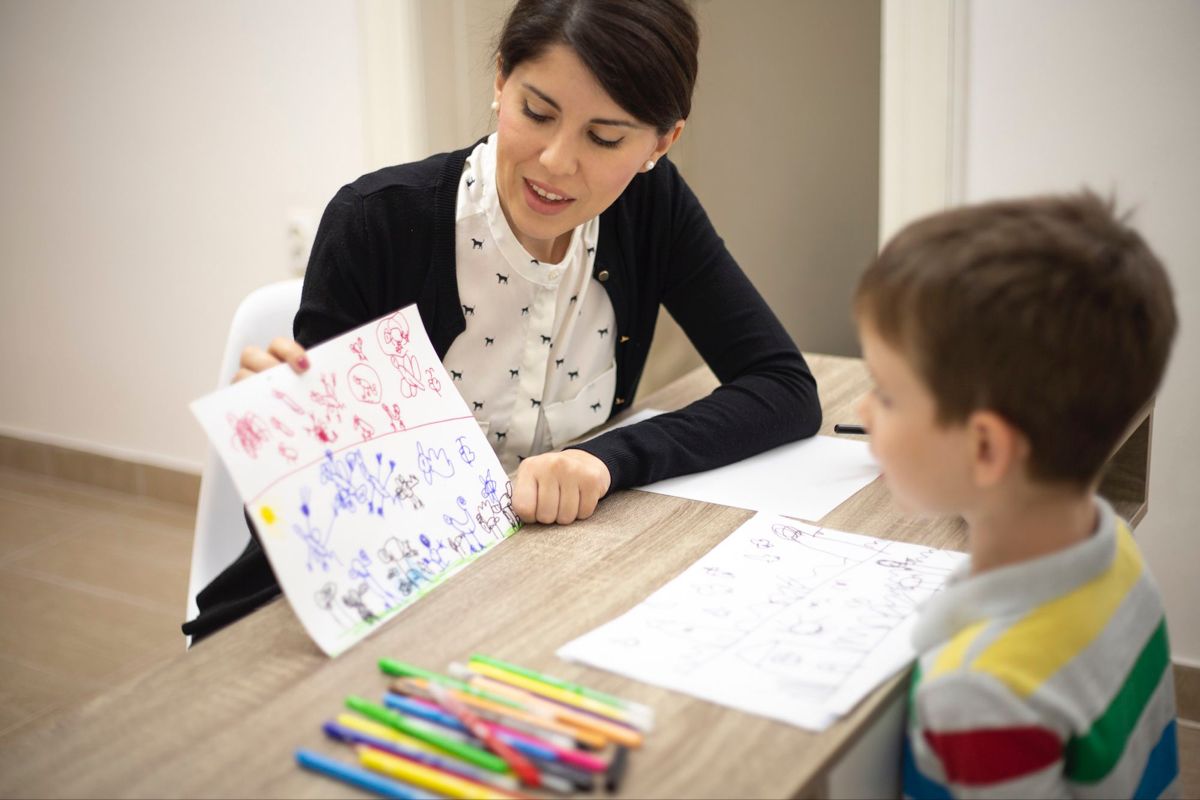
This isn’t about forcing a child to fit a mold. It’s about meeting them where they are and building a bridge toward greater independence. Sessions often look like play, but every activity is purposefully designed to teach a specific skill, whether that’s making eye contact, following a two-step instruction, or sharing a toy with a sibling.
Why Early Intervention Makes Such a Difference
The brain’s ability to adapt and form new connections, known as neuroplasticity, is remarkably strong in early childhood. This is why so many pediatricians and child development specialists recommend starting therapy as early as possible, ideally between ages two and six.
Children who begin treatment early often show meaningful improvements in several areas:
- Communication: Many children develop stronger verbal and nonverbal communication skills, making it easier to express needs and emotions.
- Social skills: Learning to take turns, read social cues, and build friendships becomes more achievable with consistent practice.
- Daily living skills: Tasks like getting dressed, brushing teeth, or following a morning routine can become far more manageable.
- Reduced challenging behaviors: With the right strategies in place, behaviors like tantrums or self-injury often decrease significantly over time.
That said, it’s never too late to start. Older children and even teenagers can benefit from this type of structured, individualized support.
What Does a Typical Session Involve?
Every treatment plan at ATG is as unique as the child receiving it. That said, most sessions share a few common elements:
Assessment first. Before any therapy begins, a board-certified behavior analyst conducts a thorough evaluation. This helps identify specific goals, whether that’s improving language skills, reducing aggressive behavior, or building independence with daily tasks.
Positive reinforcement. Instead of focusing on punishment, this method rewards desired behaviors. A child might earn praise, a favorite toy, or extra playtime for successfully completing a task. Over time, this builds motivation and confidence.
Data-driven progress tracking. Therapists collect detailed data during every session to measure progress. This allows the care team to adjust strategies quickly if something isn’t working, ensuring the child’s plan stays effective and relevant.
Family involvement. Parents and caregivers play a central role. Many programs include parent training sessions so families can reinforce skills at home, creating consistency between therapy sessions and everyday life.
Addressing Common Concerns About This Approach
Some parents worry that structured therapy might feel rigid or impersonal for their child. In practice, modern programs are far from the repetitive, robotic sessions people sometimes picture. Today’s methods emphasize natural environments, play-based learning, and genuine connection between the child and their therapist.
Others wonder whether progress will actually last. Research published in peer-reviewed journals has consistently shown that children who receive consistent, high-quality intervention tend to maintain their gains over time, particularly when families remain engaged throughout the process.
Cost and time commitment are valid considerations too. Many insurance providers now cover this type of therapy, recognizing its effectiveness as a medical necessity for children diagnosed with autism spectrum disorder. Our team at ATG works directly with families to navigate insurance questions and find a schedule that fits their life.
Choosing the Right Support for Your Child
Finding a path that helps your child build confidence, independence, and stronger connections with the people around them starts with ABA therapy, and that’s exactly what we focus on at The Autism Therapy Group. Our team of board-certified behavior analysts and compassionate therapists work closely with each family to create a plan that reflects their child’s personality, interests, and goals.
We believe therapy should never feel like a chore for your child or your family. That’s why our sessions blend structure with genuine warmth, making progress feel achievable and even enjoyable. From the first assessment to ongoing parent training, we’re committed to walking alongside your family every step of the way.
Taking the Next Step
Every child deserves the chance to reach their fullest potential, and the right support can make all the difference. Whether your child was recently diagnosed or you’ve been searching for a more effective therapeutic approach, know that meaningful progress is possible.
If you’re ready to learn more about how a personalized plan could benefit your child, reach out to The Autism Therapy Group today. Our team is here to answer your questions, guide you through the process, and help your family take the next confident step forward.