

Understanding Neutral Colors in Home Decor
Neutral colors play an essential role in home decor trends, serving as a versatile backdrop that enhances the beauty of other design elements. These colors typically include whites, beiges, grays, and taupes. The range of neutral colors allows for flexibility in styling and plays a crucial role in establishing a calming atmosphere within a space. Whether using light or dark shades, neutral colors can adapt to various design themes and preferences, making them a popular choice among homeowners and decorators alike.
The psychological effects of neutral colors contribute significantly to their appeal. For instance, shades like soft beige and light gray tend to evoke feelings of tranquility and comfort, creating a serene environment conducive to relaxation. The simplicity of these colors allows them to act as a blank canvas, enabling homeowners to infuse personal touches through accessories and decor. Moreover, neutral colors can make spaces feel larger and more open, offering an airy aesthetic that enhances natural light.
Combining neutral tones with accent colors is another effective strategy in home decorating. Accent colors, which can include vibrant hues or rich textures, stand out beautifully against a neutral backdrop. This technique helps in drawing attention to specific areas or elements within a room, ensuring a cohesive yet dynamic look. A well-thought-out balance of neutral and accent colors can create visual interest without overwhelming the space.
In summary, understanding neutral colors is integral to successful home decorating. Their versatility not only allows for personal expression but also contributes to the ambiance and overall aesthetic of a home. By thoughtfully integrating these colors with vibrant accents, one can achieve an elegant and sophisticated design that remains timeless.
Choosing the Right Neutral Shade for Your Space
Selecting the appropriate neutral shade for any given space is crucial in establishing the desired ambiance and functionality of the room. Neutral colors serve as a versatile foundation, and their right application can enhance the overall décor. When embarking on this color selection journey, it is essential to consider various factors such as room size, lighting conditions, and personal preference.
First and foremost, the size of the room plays a significant role in the choice of neutral paint. Lighter shades tend to create an illusion of more space, making them particularly suitable for smaller areas. Conversely, deeper neutral tones can add warmth and intimacy to larger rooms, helping to define and comfort the space without overwhelming it. By balancing tonal depth accordingly, you can establish a harmonious equilibrium in the environment.
Furthermore, the impact of natural and artificial light cannot be underestimated. Different times of the day can result in alterations in how a color is perceived. To select the most suitable neutral shade, it is highly advisable to test various paint samples directly on the walls. Observing these swatches during different lighting conditions will enable you to appreciate how the color interacts with sunlight and interior lighting at various times of the day.
Another critical aspect to consider is the color’s undertone – whether it leans warmer, cooler, or remains completely neutral. Warmer neutrals, such as beige or taupe, can evoke a cozy feel, while cooler neutrals like gray or soft taupe can produce a more contemporary and sophisticated vibe. Ultimately, understanding how these undertones affect your perception of the space is key to creating the desired atmosphere.
Layering Textures with Neutral Colors
Layering textures is a fundamental technique in home decorating that plays a significant role in enhancing the aesthetic appeal of spaces, especially when working with neutral colors. Neutral tones, such as whites, grays, and beiges, create a versatile backdrop that allows various textures to shine. By skillfully combining different materials, one can achieve depth and warmth, transforming a flat environment into a dynamic one.
Wood is an excellent material to introduce warmth into a neutral palette. It can be incorporated through furniture, flooring, or decorative accents. For instance, a rustic wooden coffee table can juxtapose smoothly finished walls, creating a rich visual contrast. Furthermore, consider adding wooden frames or shelves to organize decorative items, which enriches the space without overwhelming the chosen color scheme.
Textiles also play a crucial role in layering textures. Soft furnishings such as cushions, throws, and rugs can bring comfort and softness to a neutral color scheme. A selection of fabrics, including linen, cotton, and wool, can be mixed together to incorporate varying textures that invite touch and interest. A textured wool rug under a plush cotton sofa serves as an inviting focal point, anchoring the room.
Metals and ceramics are additional materials to consider when layering textures. Incorporating metal accents, such as brass lamps or iron candlesticks, can add a touch of elegance and modernity. Ceramics, on the other hand, offer a tactile quality that can enhance the visual interest of your space. A ceramic vase can become a striking centerpiece on a neutral tabletop, while also softening the lines and curves of the surrounding furnishings.
Incorporating these various materials thoughtfully allows for the creation of visually stimulating spaces. Textural layering enhances the overall feel of a room while maintaining the calm and sophisticated environment fostered by a neutral color palette.
Incorporating Neutral Colors in Different Rooms
Utilizing neutral colors in home decorating can create a serene and cohesive atmosphere throughout your living spaces. Each room has its distinct function, and applying a neutral palette in each can enhance the overall design while allowing for flexibility in accenting with other shades.
In the living room, neutral tones such as taupe, soft gray, or beige can establish a calming environment. Consider employing these shades in your wall color or large furniture pieces, such as sofas and armchairs. To add character, incorporate various textures through throws and cushions in slightly different neutrals. A carefully chosen area rug can tie the room together, complementing both the neutral furniture and any added colors.
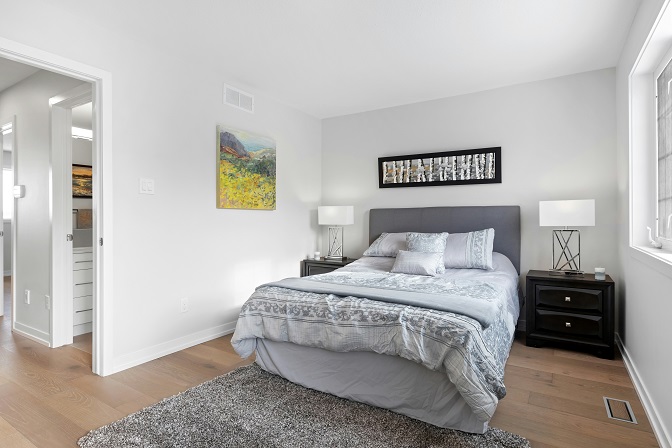
For the bedroom, soft whites and muted pastels create an inviting space ideal for relaxation. Light-colored bedding and curtains serve to keep the room airy while adding warmth through wooden elements. Adding layered fabrics in varying shades of white or cream can foster a tranquil environment conducive to rest. For a touch of contemporary flair, consider introducing a statement piece, such as a piece of artwork in soft tones that harmonize with the neutral scheme.
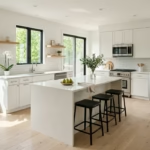
The kitchen is another area where neutral colors shine; creamy whites and warm beiges create an inviting cooking space. Cabinetry painted in light shades enhances brightness, while stone countertops in neutral tones provide a sturdy contrast. Accessories like dishware and utensils in complementary soft colors can further enrich the aesthetic without overwhelming the senses.
In the bathroom, implementing shades like light gray or soft beige can evoke a spa-like experience. Using neutral tiles or paint can create an expansive effect, making the room feel larger. Incorporating natural elements, such as wooden shelving or greenery, can complement the neutral palette and add refreshing visual interest.
Each room offers an opportunity to infuse neutral colors into your design, leading to an elegant and harmonious home that feels inviting and cohesive.
Accent Pieces and Decor with Neutral Backgrounds
In home decorating, neutral colors serve as a versatile backdrop that can enhance various design elements. While neutrals such as beige, gray, and white create a calming atmosphere, incorporating accent pieces in bolder colors or dynamic patterns can transform the space and add personality. These accent items—ranging from art pieces to decorative furniture—act as focal points, drawing the eye without clashing with the overall serene ambiance.
To utilize accent pieces effectively, consider selecting items that feature vibrant colors or striking designs. A bright red painting on a soft gray wall can create a stunning visual impact. Similarly, a richly patterned throw pillow on a neutral-colored sofa can introduce texture and interest. These accents break the monotony of a neutral palette while maintaining harmony within the decor.
It is essential, however, to strike a balance when integrating bolder elements into a neutral space. Too many vivid accents could overpower the calming nature of neutrals. Focus on placing a few strategically chosen items near key visual points, such as the area around a fireplace or above a console table. This selective approach not only enhances the aesthetics but also helps maintain the tranquility that neutral colors evoke.
In addition to color, consider varying textures to enrich the overall design. A plush velvet chair or a woven basket can contribute to depth and visual interest, complementing the smooth surfaces typical of neutral backgrounds. Moreover, using seamless blends of neutral tones, such as varying shades of white or gray, can emphasize accent pieces more effectively, allowing them to shine distinctly while preserving the overall calmness of the environment.
The Role of Lighting in Neutral Decor
Lighting plays a pivotal role in the perception of neutral colors within a space, fundamentally influencing the mood and aesthetics of home decor. A well-lit room enhances the beauty of neutral hues, allowing them to reflect warmth and depth while avoiding a flat or dull appearance. Understanding the various types of lighting—natural, ambient, and task—can make a significant difference in how neutral tones are showcased.
Natural light is perhaps the most effective tool for accentuating neutral colors. It varies throughout the day, creating different shadows and highlights that can bring out the intricacies of beige, cream, taupe, and other muted shades. Having large windows, skylights, or even mirrors that reflect natural light can amplify these effects, making the space feel airy and open. When positioning furniture or selecting decor, consider how natural light interacts with colors at different times to achieve the desired ambiance.
Beyond natural light, ambient lighting creates a base layer of illumination that fills the entire room. Options such as ceiling fixtures, chandeliers, or wall sconces can offer a soft glow that complements neutral colors, creating a warm atmosphere. For instance, using warm white LED bulbs can enhance the inviting qualities of neutral shades, while cooler tones may impart a more modern feel. Layering ambient lighting with task lighting—focused illumination for practical areas like kitchens or reading nooks—can further enhance the aesthetic, ensuring that key areas are well-lit without overpowering the subtlety of neutrals.
Strategic placement of different lighting types is essential. Dimmer switches can provide flexibility, allowing homeowners to adjust light levels according to mood and time of day. By thoughtfully integrating natural, ambient, and task lighting, one can craft a cohesive and harmonious environment that embraces the elegance of neutral decor.
Mixing Neutral Colors with Bold Hues
Integrating bold hues into a neutral color scheme can enhance the ambience of a home while maintaining a balanced design. Utilizing a primarily neutral palette provides a serene backdrop, allowing vibrant colors to stand out without overwhelming the space. Neutral shades such as white, beige, and gray establish a calm environment that can be complemented with striking accent pieces.
One effective strategy is to introduce bold hues through accent walls. By painting one wall in a vibrant color—such as deep teal or rich mustard yellow—you create a focal point that draws attention without dominating the room. This concept enhances visual depth and interest, inviting guests to explore the space further. For those who prefer a more subtle approach, consider using wallpaper with bold patterns that retain a neutral base; this can enrich the decor while maintaining balance.
Another method to achieve this blend is through colorful furniture. By selecting a statement piece, such as a bright sofa or an eye-catching armchair, homeowners can add personality to a neutral area without compromising its tranquil quality. These bold selections act as conversation starters and provide opportunities for creative expression. Additionally, incorporating colorful accessories, such as cushions, artwork, or rugs, brings vibrancy into the neutral zone, enhancing overall aesthetics.
It’s essential to maintain harmony between the bold and neutral elements. This can be accomplished by limiting the use of bold colors to a few select pieces within the room. By doing so, the energetic hues will stand out in contrast to the calmness of the neutral backdrop, preventing clashing or overcrowding. Balancing the two allows for a dynamic yet cohesive design that is visually pleasing.
Maintaining a Neutral Color Scheme
Maintaining a neutral color scheme is essential for creating a timeless and versatile space. With its versatile palette, neutral colors such as beige, gray, and ivory serve as an elegant backdrop that allows other elements in the room to shine. To keep your neutral space feeling fresh and current, consider implementing a few best practices.
First, incorporate texture into your design. Neutral colors can sometimes appear flat if not paired with varying textures. Introduce a variety of fabrics and materials like plush throws, soft rugs, or textured wall coverings to enhance depth and interest. For instance, a woolen blanket or a velvet pillow can add richness while maintaining the overall soothing color scheme.
Another effective way to refresh your neutral palette is through seasonal decor changes. As the seasons shift, consider adding seasonal accents that complement your existing decor. This can be as simple as swapping out decorative pillows or using seasonal florals in neutral vases. For autumn, consider warm-toned pumpkins; in spring, delicate white blossoms can elevate the serene atmosphere of your space.
Additionally, art and accessories can make a significant impact on maintaining the vitality of a neutral color scheme. Opt for artwork with pops of color that can easily be changed out over time, ensuring that your space feels relevant and updated. By rotating these decorations with the seasons, you can inject life into your neutral background without committing to a complete overhaul.
Finally, regular upkeep of your furnishings is vital to maintaining a fresh look. From cleaning fabrics to touching up paint or refinishing wood, minor maintenance can go a long way in preserving the integrity of your neutral palette. By following these practices, you can ensure your home remains a chic, tranquil haven that reflects your personal style.
Conclusion: Embracing Neutral Colors in Your Home
Neutral colors have long been favored in home decorating due to their versatility and timeless appeal. By choosing shades like beige, gray, or taupe, homeowners can create serene backdrops that elevate various design elements. These understated hues not only enhance the aesthetic but also allow for greater flexibility in decorating, enabling one to experiment with vibrant hues and textures without overwhelming the overall scheme.
Incorporating neutral colors into your home can yield numerous benefits. Firstly, neutral palettes promote a sense of calm and relaxation, which is essential in creating comfortable living spaces. Furthermore, they can make rooms appear more spacious and open, an advantageous feature for smaller homes or apartments. Neutral tones also tend to reduce visual clutter, offering a streamlined appearance that contributes to a cohesive interior design.
However, the common misconception that neutral decor equals monotony does not hold true. With a strategic mix of textures, patterns, and materials within neutral shades, one can achieve rooms bursting with character and interest. For instance, pairing a soft beige with a chunky knit throw or opting for a matte gray accent wall adorned with carefully curated art can infuse vibrancy into a neutral space. By bringing in personal accessories, such as cushions or decorative vases, homeowners can inject their unique style while still embracing the serene qualities of a neutral palette.
Ultimately, neutral colors act as a canvas, allowing individuals to express their creativity and personality. As you contemplate your home decorating project, consider experimenting with neutral hues to create a balanced and timeless atmosphere. In doing so, you will discover that neutral doesn’t mean boring; rather, it opens the door to endless possibilities in your home’s decor.