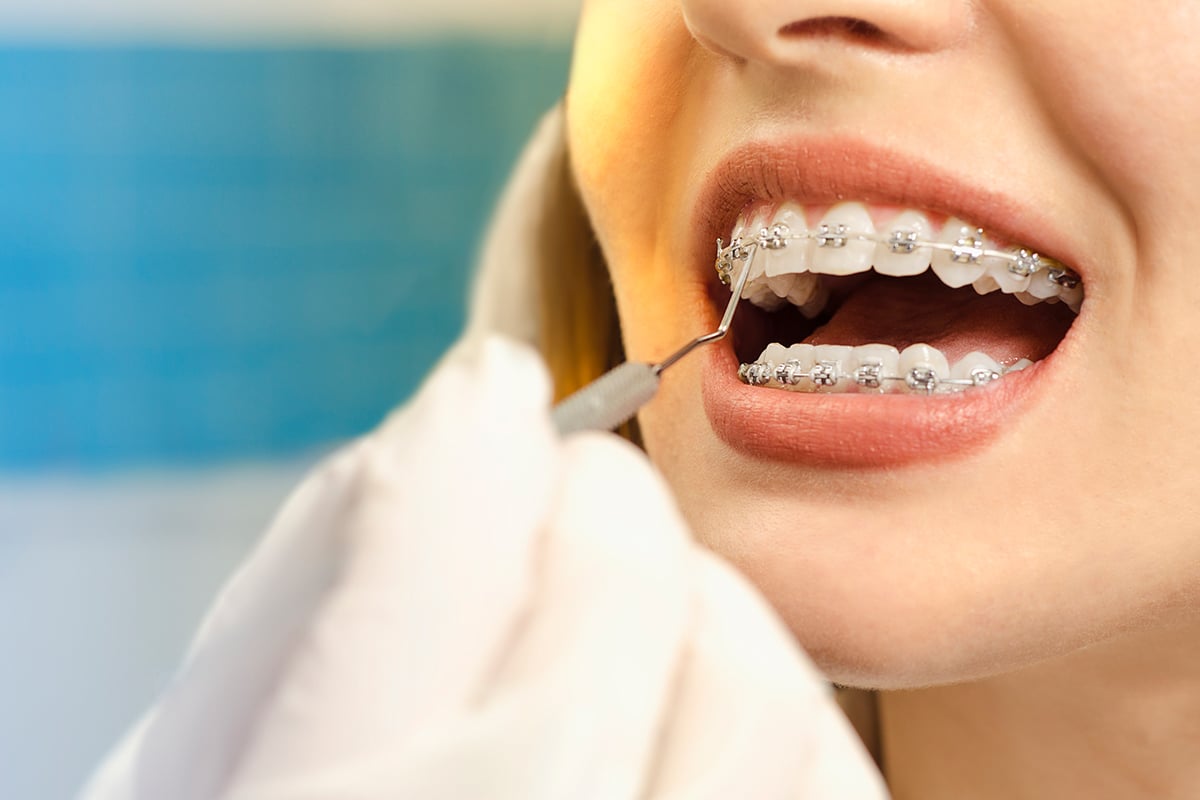
Braces help adults straighten their teeth while also improving the way the upper and lower teeth align. With several treatment options available, adult braces can be customized to address your specific bite and alignment needs. Here are some helpful things to know about braces for adults:
Understand Treatment Options
Adults seek orthodontic treatment for many reasons, including crowded teeth, spacing, or bite problems. Your orthodontist examines how your teeth fit together before discussing suitable treatment options. Once your assessment is complete, the recommended appliance reflects the type of tooth movement required.
Traditional braces use brackets and wires to guide teeth into better alignment over time. Each adjustment applies controlled pressure, and your orthodontist changes the wires as treatment progresses. This option often suits adults with more complex bite corrections. Regularly scheduled appointments help track how your teeth respond throughout treatment.
Some adults prefer clear braces that blend more naturally with their teeth during daily activities. Others qualify for clear aligners, which are removable during meals and brushing routines. There are several types of adult braces available, and your orthodontist will help determine which option is best for your smile goals and orthodontic needs.
Maintain Oral Hygiene
Keeping your teeth clean becomes necessary once braces are attached. Food particles collect more easily around brackets and wires, so brushing and flossing require extra attention. Regular dental cleanings help remove plaque buildup from areas that may be difficult to clean with brushing and flossing alone. Maintaining good gum health also helps support your orthodontic treatment and overall oral health.
Prepare for Treatment
Your first orthodontic visit is focused on gathering the information needed to understand your current smile and determine the right approach for treatment. During this appointment, your orthodontist evaluates your bite, tooth alignment, and overall oral condition using a combination of clinical exams and diagnostic records. These findings help guide decisions about your treatment options and expected timeline.
Before treatment begins, your orthodontist reviews your records and selects an approach based on the type and extent of tooth movement needed. Your appointments will then follow a plan designed around your specific treatment goals and progress. Key steps in the orthodontic preparation process include:
- Orthodontic consultation: Discusses your concerns, evaluates your bite and alignment, and determines whether orthodontic treatment is appropriate for your needs.
- Digital examination: Collects detailed images and X-rays to assess tooth position, jaw relationships, and other factors that may affect treatment.
- Treatment planning: Establishes the recommended approach, including the type of appliance and milestones to monitor throughout treatment.
Protect Orthodontic Appliances
Caring for your orthodontic appliances helps prevent damage that will delay your treatment schedule. Hard, sticky, or chewy foods put pressure on brackets and wires, while removable aligners require regular cleaning and proper storage to help prevent buildup. If you participate in contact sports, wearing a mouthguard will help protect your braces and teeth from impact during activity. When a bracket becomes loose or an aligner stops fitting correctly, your orthodontist should evaluate the appliance and make any needed adjustments before treatment continues.
Schedule Your Consultation for Adult Braces
Learning about treatment options, oral hygiene, and appliance care gives you a clearer understanding of orthodontic treatment. Each stage allows your orthodontist to check how your teeth are responding to treatment and make adjustments when needed. Schedule a consultation today to learn more about the process of getting braces as an adult.