


Most homeowners don’t think about insulation until something goes wrong. A spike in the electric bill, a room that never quite reaches a comfortable temperature, or a musty smell that won’t go away. These are the quiet signs of a house that’s losing the battle against air leaks and outdated materials.
Spray foam insulation solves that problem at the source. Instead of relying on fiberglass batts that sag and shift over time, spray foam expands to fill every gap, crack, and cavity, creating a seal that holds strong for decades. The result is a home that stays comfortable in every season, uses less energy, and holds its value longer.
This post breaks down what makes spray foam insulation such a smart investment, how it compares to older insulation methods, and why choosing an experienced installer matters just as much as the product itself.
The Hidden Cost of Poor Insulation
A poorly insulated home is constantly working against itself. Heated or cooled air escapes through tiny gaps in walls, attics, and crawl spaces, forcing the HVAC system to run longer and harder just to maintain a steady temperature. Over the course of a year, that inefficiency shows up as higher utility bills, more frequent repairs, and a shorter equipment lifespan.
It’s not just about comfort, either. Air leaks let in humidity, dust, and outdoor allergens, which can affect indoor air quality. Traditional insulation materials also tend to compress or settle after a few years, leaving thin spots that weaken the whole system. What looks like a solid barrier on installation day can quietly lose effectiveness within a decade.
What Makes Spray Foam Insulation Different?
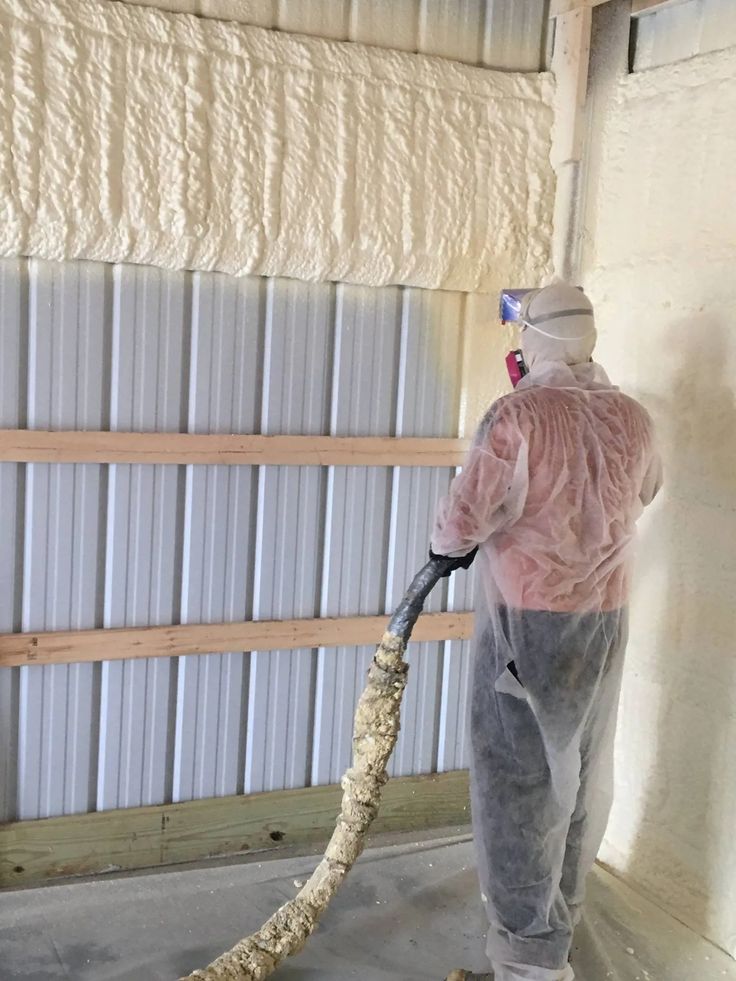
Spray foam insulation works differently from batts or blown-in fiberglass. When applied, it expands on contact and hardens into a continuous layer that molds itself to the exact shape of the space. This creates an airtight seal that resists the shifting, sagging, and gapping common with older materials.
There are two main types used in residential and commercial projects:
- Open-cell spray foam – Lightweight and flexible, ideal for interior walls and areas where sound dampening is a priority.
- Closed-cell spray foam – Denser and more rigid, offering a higher R-value per inch and added structural support, making it a strong choice for attics, roofs, and exterior walls.
Both types create a barrier against air infiltration that fiberglass simply can’t match, which is why so many builders and homeowners are making the switch.
How Much Can Spray Foam Insulation Save on Energy Bills?
Because spray foam seals gaps that traditional insulation leaves behind, homes lose far less conditioned air. That means furnaces and air conditioners don’t have to run as long or as often to hit the desired temperature. Over time, those smaller, more efficient cycles translate into lower monthly energy bills.
The savings tend to compound. A well-sealed home also puts less wear on HVAC equipment, which can extend its lifespan and reduce the frequency of costly repairs or replacements. For homeowners planning to stay in their property long-term, that combination of lower bills and fewer equipment issues makes spray foam one of the more financially sound upgrades available.
A Healthier, Quieter Home Environment
Beyond energy efficiency, spray foam insulation improves the overall living experience in ways that are easy to overlook. Because it creates such a tight seal, it also blocks outdoor pollen, dust, and moisture from creeping into living spaces. That can make a noticeable difference for households dealing with allergies or humidity-related issues like mold growth.
Sound transmission drops too. Spray foam’s dense structure absorbs vibration and noise far better than traditional insulation, which is a welcome benefit for homes near busy streets, airports, or noisy neighbors. Bedrooms feel calmer, home offices feel quieter, and the entire property starts to feel more solidly built.
Why Does the Installer You Choose Matter?
Bringing years of hands-on experience to every attic, crawl space, and wall cavity they seal, Go Green Spray Foam Professionals LLC has built a reputation for insulation work that homeowners can count on long after the crew has packed up their tools. Spray foam insulation is only as effective as the application behind it. Uneven coverage, incorrect foam density, or rushed work can leave gaps that undermine the very benefits the material is designed to provide.
That’s why the installation team matters just as much as the product. A skilled crew understands how to assess a home’s specific needs, choose the right type of foam for each area, and apply it with the precision required to get a complete, lasting seal. Cutting corners during installation almost always leads to problems down the line, from reduced energy savings to uneven temperatures between rooms.
Homeowners who invest in professional-grade materials deserve a team that treats the installation with the same level of care. Asking about experience, certifications, and past project results is a reasonable step before any spray foam project begins.
Making the Switch to Spray Foam
Upgrading to spray foam insulation is one of the more impactful changes a homeowner can make for comfort, efficiency, and long-term savings. It seals a home more completely than traditional materials, holds up for years without settling, and improves both air quality and noise control along the way.
For anyone dealing with high energy bills, inconsistent temperatures, or an aging insulation system, it’s worth exploring whether spray foam is the right fit for the property. A qualified installer can assess the space, walk through the available options, and provide a clear picture of what the upgrade would involve from start to finish.