


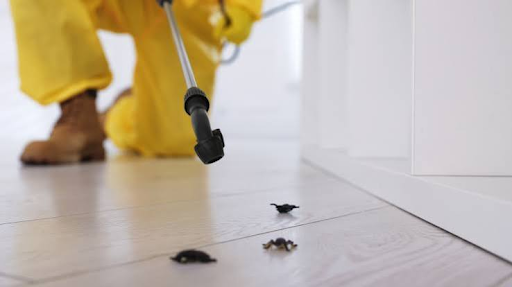
Spiders have a way of showing up exactly where you don’t want them — tucked into a closet corner, dangling from a porch light, or waiting silently in the garage. While most spiders found around homes are harmless, their presence often signals something homeowners overlook: an environment that’s quietly welcoming pests of all kinds.
If you’ve noticed more webs than usual lately, you’re not imagining it. Spiders don’t invade randomly. They follow food sources, moisture, and shelter, which means their appearance is usually a symptom of a bigger issue rather than a standalone problem. Understanding what draws them in — and what keeps them coming back — is the first step toward a home that stays spider-free for good.
Why Do Spiders Keep Showing Up in the Same Spots?
Spiders are opportunists. They don’t infest homes for no reason; they set up shop wherever conditions favor survival. Dark, undisturbed areas like basements, attics, and behind furniture offer the perfect combination of shelter and quiet.
More importantly, spiders follow their food. If your home has other insects — flies, ants, moths, or silverfish — spiders will follow that food supply indoors. This is why spider activity often increases when other pest issues are already present. A home with recurring spider sightings is frequently dealing with an underlying insect population that’s gone unnoticed.
Seasonal changes matter too. As temperatures drop in fall, spiders search for warmer, more stable environments, which makes homes especially appealing. This is often when homeowners notice a sudden uptick in sightings, even if they haven’t changed anything about their cleaning or maintenance habits.
What Are the Early Warning Signs of a Growing Spider Problem?
Spotting a single spider isn’t necessarily cause for concern, but certain patterns suggest a bigger population is developing.
- Webs in multiple locations: Finding webs in corners, window frames, or storage areas across different rooms suggests spiders have established several nesting sites, not just one.
- Egg sacs: Small, round, silk-wrapped sacs are a clear sign that spiders are actively reproducing in your home.
- Increased insect activity: Since spiders feed on other bugs, more flies or ants in your home can indirectly point to more spiders.
- Sightings in unexpected places: Spiders appearing in bathrooms, bedrooms, or living areas — not just basements or garages — often mean populations have grown beyond their original hiding spots.
Recognizing these signs early makes a significant difference. The longer a spider population goes unaddressed, the more established it becomes, and the more difficult it is to fully resolve without professional intervention.
How Can Homeowners Reduce Spider Activity Around the House?
While complete prevention requires a layered approach, there are several practical steps homeowners can take to make their property less attractive to spiders.
Reduce clutter. Piles of boxes, stacked firewood, and cluttered storage areas create ideal hiding spots. Keeping these areas organized and periodically disturbed makes them far less appealing.
Seal entry points. Small gaps around windows, doors, and utility lines are common access points. Sealing these not only keeps spiders out but also blocks the insects they feed on.
Manage outdoor lighting. Bright porch lights attract flying insects, which in turn attract spiders looking for an easy meal. Switching to yellow “bug” bulbs or positioning lights away from entry points can help.
Address moisture issues. Damp basements, leaky pipes, and poor ventilation create environments that spiders and their prey both thrive in. Fixing these issues removes a key incentive for them to stay.
Vacuum regularly. Vacuuming corners, ceilings, and window sills removes webs, egg sacs, and the spiders themselves before populations can grow.
These steps can meaningfully reduce spider activity, but they work best as part of an ongoing strategy rather than a one-time fix. Homes with persistent moisture problems, structural gaps, or nearby insect populations will likely see spiders return even after a thorough cleaning.
When Should Homeowners Consider Professional Spider Treatment?
DIY methods can manage minor spider activity, but there’s a point where professional support becomes the smarter option. If sightings persist despite regular cleaning, if egg sacs keep appearing, or if certain species — like venomous spiders — are involved, it’s time to bring in a specialist rather than risk an incomplete solution.
Effective, long-term relief from persistent infestations starts with professional Spider Control that targets both the spiders themselves and the underlying conditions drawing them in. At Critter Stop, treatment goes beyond surface-level spraying. Technicians assess entry points, moisture sources, and existing insect activity to understand why spiders chose your home in the first place. From there, a tailored treatment plan addresses the full picture — not just the spiders you can see, but the conditions supporting the ones you haven’t found yet.
This comprehensive approach matters because spiders are remarkably good at avoiding detection. Many species hide in wall voids, crawl spaces, and other areas that are difficult for homeowners to access safely. Professional treatment ensures these hidden populations are addressed alongside visible activity, reducing the likelihood of a quick return.
Ongoing prevention plans also offer an added layer of protection. Rather than treating spider problems as isolated incidents, scheduled visits help catch new activity early, before it has the chance to grow into a larger infestation.
A Spider-Free Home Starts with the Right Approach
Spiders are persistent, but they’re not unstoppable. Most infestations trace back to identifiable causes: clutter, moisture, insect activity, or gaps in a home’s defenses. Addressing these root issues, paired with regular monitoring, makes a noticeable difference in keeping spider populations under control.
For homeowners dealing with recurring sightings or larger infestations, professional support offers a faster and more thorough path to a spider-free home. Critter Stop’s trained technicians combine inspection, targeted treatment, and prevention strategies to tackle spider problems at the source, giving homeowners lasting peace of mind rather than a temporary fix.
If spiders have become a regular presence in your home, now is the time to take action before the problem grows. A quick inspection today can save you from a much bigger headache down the road.