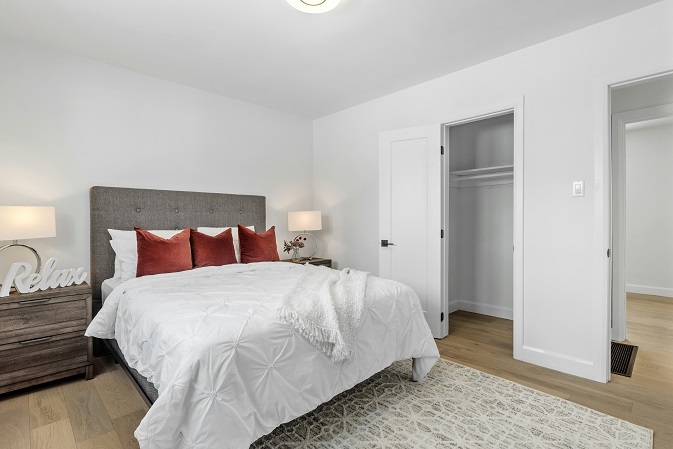
The Importance of a Relaxing Bedroom
Creating a relaxing bedroom is crucial for achieving optimal mental health and overall well-being. The bedroom is often considered a personal sanctuary, a space where one can retreat from the demands of daily life. Research indicates that a soothing environment plays a significant role in enhancing sleep quality, which is fundamentally linked to our emotional and physical health. When a bedroom is designed to promote relaxation, the likelihood of experiencing restful and uninterrupted sleep increases dramatically. A peaceful bedroom environment can notably reduce stress levels. Factors such as noise, clutter, and harsh lighting can create a sense of chaos, making it difficult for individuals to unwind. In contrast, incorporating calming colors, soft textures, and gentle lighting can foster an atmosphere of tranquility that encourages relaxation. The right decorations and furnishings not only enhance the aesthetic appeal but also contribute to feelings of safety and comfort, which are essential for a good night’s sleep.
Furthermore, studies have shown that improved sleep quality can lead to a reduction in anxiety and depression, highlighting the need for a deliberate focus on creating a serene bedroom environment. Simple practices, like keeping the bedroom tidy and controlling the room’s temperature, contribute significantly to one’s ability to fall asleep more easily. Making the bedroom a haven for relaxation by minimizing distractions is key to ensuring that the mind and body can rejuvenate overnight.
Ultimately, the importance of a relaxing bedroom goes far beyond aesthetics. It serves as a foundation for restful sleep, which significantly impacts mental clarity, emotional stability, and overall health. By prioritizing the creation of a soothing bedroom, individuals can take a proactive step toward enhancing their quality of life.
Choosing the Right Color Palette
The selection of a color palette is a pivotal step in transforming your bedroom into a tranquil retreat. Color not only affects the aesthetic appeal of a space but also has a profound impact on mood and psychological well-being. Thus, understanding the psychological effects of colors is essential when designing your sanctuary of relaxation.
Soft blues and greens are universally recognized for their calming properties, making them an ideal choice for bedrooms. Blue is often associated with serenity and peace, while green invokes the soothing aspects of nature. Utilizing these colors on walls, linens, or accent pieces can create a sense of calm that fosters relaxation and restorative sleep. Additionally, neutral tones such as light grays, beiges, and whites can serve as excellent backdrops for furniture and decor, promoting a clean and clutter-free environment.
When establishing a color palette, it is advisable to examine how different shades interact with natural light throughout the day. Lighter hues can brighten a space, providing a sense of openness, while darker tones can create a cozy, intimate feel. It is also essential to balance these colors effectively. A cohesive color scheme may consist of a primary calming color complemented by various tints and shades to add depth and interest without overwhelming the senses.
Incorporating accent colors through decorative accessories or artwork can enhance visual appeal and personalization while still promoting tranquility. For instance, a calming blue can be complemented by soft white pillows or natural wood accents to maintain a harmonious look. Ultimately, carefully selecting and balancing these colors allows one to craft a cohesive environment that truly nurtures serenity and relaxation.
Furniture and Layout: Creating Space for Calm
The furniture in a bedroom plays a crucial role in establishing a serene environment conducive to relaxation and tranquility. Selecting the right furniture pieces, combined with an effective layout, is essential in transforming the bedroom into a peaceful retreat. For instance, larger pieces such as beds and dressers should be positioned to maximize both comfort and space. A common recommendation is placing the bed away from the door to create a sense of security, while ensuring it has a clear view of the entrance.
Open space is vital in promoting a calm atmosphere. A cluttered bedroom can lead to heightened stress and anxiety; thus, it is advisable to opt for multi-functional furniture. Beds with built-in storage, nightstands with drawers, and benches that offer additional space for blankets and pillows can help minimize clutter. It is essential to keep pathways clear, allowing for ease of movement and a more open feel, which can enhance the serenity of the space.
Moreover, the materials used in your furniture can significantly influence the overall ambiance. Opting for natural materials, such as wood and cotton, can contribute to a warmer, inviting environment. Light-colored finishes can help reflect natural light, creating an airy and spacious feel. Additionally, incorporating soft furnishings such as cozy textiles, calming cushions, and a plush area rug can further enhance comfort, inviting relaxation.
When arranging your bedroom furniture, consider the layout that would allow for the most harmonious flow of energy. Avoid placing furniture in a way that blocks natural light or airflow. By prioritizing functionality alongside aesthetics, the choice and arrangement of furniture can effectively foster a calming atmosphere, transforming the bedroom into a true sanctuary for restful nights and rejuvenating mornings.
Bedding for Comfort and Aesthetics
When it comes to creating a serene bedroom retreat, the choice of bedding plays a pivotal role in ensuring both comfort and visual appeal. Selecting high-quality materials such as cotton, linen, or bamboo can significantly enhance the sleep experience, as these fabrics are breathable and soft against the skin. Cotton sheets, for instance, are renowned for their durability and comfort, while linen offers a natural texture that can elevate the aesthetic of the bedroom.
Textures also contribute to the comfort level of the bedding ensemble. A layered approach, incorporating various textures like plush duvets, soft throws, and supportive pillows, not only increases comfort but also adds visual depth. For instance, pairing a crisp white duvet with textured knit blankets introduces an inviting element, making the bed an appealing focal point in the room.
Moreover, layering techniques can be effectively utilized to achieve a cozy and visually striking arrangement. Begin with a fitted sheet, followed by a flat sheet for added comfort, and then layer a duvet or quilt on top. Adding pillows of different shapes, sizes, and materials can create a more inviting look, encouraging relaxation. Incorporating decorative cushions can also enhance the overall aesthetic, allowing for personalization in color and design that matches the bedroom’s theme.
Ultimately, the combination of comfort and aesthetics in bedding goes hand in hand. Selecting the right bedding not only promotes a good night’s sleep but also contributes to the serene atmosphere of the bedroom. By focusing on suitable materials, textures, and effective layering techniques, one can craft a sleep environment that is both visually appealing and remarkably comfortable.
Lighting: Setting the Mood
Lighting plays a crucial role in establishing the overall ambiance of a bedroom, influencing not only the aesthetic appeal but also the emotional state of its inhabitants. The right combination of lighting can create a serene environment that promotes relaxation and peace. There are three primary types of lighting to consider when curating your bedroom’s atmosphere: ambient, task, and accent lighting.
Ambient lighting serves as the primary source of illumination, providing overall light levels that enable safe movement and restful activities within the space. This type of lighting can be achieved through ceiling fixtures, wall-mounted lights, or even floor lamps. When choosing ambient lighting, consider using soft, warm hues that encourage relaxation and tranquility in the bedroom.
Task lighting is essential for performing specific activities such as reading or working. This type of lighting is typically positioned close to the area where the activity occurs, such as bedside lamps or desk lamps. Task lighting should be bright enough to illuminate the task at hand without being harsh or glaring, which can contribute to an uncomfortable environment. Dimmable options can further enhance the calming effect by allowing individuals to adjust the brightness according to their preference.
Accent lighting adds depth and character to the bedroom, highlighting architectural features or decorative elements such as artwork. This can be achieved through spotlights, wall sconces, or LED strips placed strategically around the room. By integrating accent lighting, you create layers of illumination that contribute to a warm, inviting atmosphere.
By thoughtfully combining ambient, task, and accent lighting, a bedroom can be transformed into a relaxing retreat. Utilizing light dimmers and selecting fixtures that emit soft, warm tones further fosters a calming environment, promoting a peaceful sanctuary conducive to rest and rejuvenation.
Incorporating Nature: Biophilic Design
Integrating elements of nature into bedroom design, often referred to as biophilic design, has been shown to promote relaxation and enhance well-being. The incorporation of natural materials, such as wood, stone, and organic textiles, contributes to a serene environment that can evoke a sense of calm. For instance, wooden furniture or flooring not only adds warmth but also connects the occupant with the natural world. Utilizing natural fibers in bedding, curtains, and rugs can further establish an organic ambiance, enhancing the overall bedroom experience.
Adding plants to the bedroom is another effective way to foster a relaxing atmosphere. Houseplants not only beautify the space but also improve air quality by filtering toxins and releasing oxygen. Certain plants, such as snake plants, peace lilies, and pothos, are particularly beneficial as they thrive indoors and require minimal care. The visual appeal of greenery combined with their air-purifying qualities makes them an ideal addition for creating a more inviting and healthy environment.
Nature-inspired decor elements can also play a significant role in biophilic design. Selecting artwork featuring natural landscapes or incorporating colors that reflect the outdoors, like earthy tones and shades of green, can psychologically transport individuals into a calmer state of mind. Additionally, natural light is a crucial component, so maximizing window space or using light-filtering curtains can help bring the outside in while creating a sense of openness.
Ultimately, the benefits of integrating natural elements into bedroom design extend beyond aesthetics. By consciously selecting plants, utilizing natural materials, and considering nature-themed decor, individuals can create a sanctuary that promotes relaxation, enhances air quality, and contributes to a healthier living space.
7. Personal Touches: Infusing Your Personality
When creating a serene atmosphere in your bedroom, incorporating personal touches can significantly enhance the overall aesthetic and foster a sense of tranquility. Infusing your personality into the space allows you to establish an environment that resonates with your style, making it a true retreat from the hustle and bustle of daily life.
Artwork is one effective way to express individuality. Whether it be a vibrant painting, a calming landscape, or an abstract piece, art can serve as a focal point within the room. It not only reflects your taste but also holds the power to evoke emotions and memories, making the space uniquely yours. Photographs, especially those capturing cherished moments, can also be strategically placed throughout the room. They provide a personal narrative, reminding you of happier times and instilling a sense of comfort.
In addition to artwork and photographs, consider including decor items that carry sentimental value. This might include souvenirs from travels, heirlooms passed down through generations, or even handmade crafts that signify special occasions. Such decor not only beautifies the space but also creates strong associations with positive experiences, encouraging relaxation and a feeling of belonging.
Furthermore, incorporating textiles that showcase your style can personalize your bedroom. Selecting bedding, throw pillows, or curtains in colors and patterns that you adore contributes to the overall ambiance, enhancing emotional well-being. These personal elements combine to create a cohesive design that reflects who you are.
Ultimately, the goal is to surround yourself with things that resonate with you. By carefully curating personal touches, you can transform your bedroom into a sanctuary that celebrates your identity, promoting relaxation and peace. As you decorate, allow your individuality to shine through, thus enriching your bedroom retreat with warmth and inspiration.
The Role of Aromatherapy and Soundscapes
Aromatherapy and soundscapes play a significant role in fostering an atmosphere of relaxation within your bedroom retreat. By engaging multiple senses, these elements can transform an ordinary space into a sanctuary of serenity. The use of essential oils, such as lavender, chamomile, and eucalyptus, is a popular practice in aromatherapy. These oils, known for their calming properties, can be diffused in the air, added to bathwater, or even used during massage. As their scents envelop the room, they help to alleviate stress, promote deeper sleep, and create a peaceful ambiance.
Candles are another effective tool in your aromatherapy arsenal. The flickering light from a candle not only adds a warm glow but also enhances the sensory experience. When paired with essential oils, scented candles can fill the air with calming fragrances that soothe the mind and reduce anxiety. Choosing candles crafted with natural materials and essential oils ensures that you are minimizing harmful emissions for a healthier environment.
In tandem with aromatherapy, soundscapes introduce calming auditory elements into your retreat. Sound machines or apps that play nature sounds, white noise, or soft music create an acoustic backdrop that fosters relaxation. The gentle sounds of flowing water, rustling leaves, or soft rain can mask disruptive noises from outside, helping to create a tranquil atmosphere that enhances sleep quality. Incorporating these soundscapes into your evening routine, combined with aromatherapy, can signal to your body that it is time to wind down.
Ultimately, by thoughtfully integrating aromatherapy and soundscapes, you can develop a more restful and rejuvenating environment in your bedroom. The combination of soothing scents and calming sounds not only enriches your relaxation experience but also contributes significantly to your overall well-being.
Maintaining Your Relaxing Retreat
To ensure that your bedroom remains a sanctuary for relaxation, maintaining a serene environment is paramount. One of the fundamental aspects of this process is decluttering. It is essential to regularly assess the items in your bedroom to determine what is truly necessary and beneficial for your tranquility. Consistently removing items that do not contribute to your peaceful ambiance helps create space for calmness and reduces mental distractions. Aim to tackle decluttering on a monthly basis to maintain an orderly environment.
Regular cleaning is another key component in preserving the peacefulness of your retreat. Establish a cleaning schedule that includes dusting, vacuuming, and linen changes. These tasks, performed on a weekly basis, create a fresh and hygienic atmosphere that can significantly enhance your overall sense of serenity. As you clean, consider incorporating natural cleaning products that are free from harsh chemicals, as this care for your surroundings aligns with the calming aura you seek to maintain.
Seasonal updates can further enhance the tranquility of your bedroom. With each change of season, assess whether your decor or bedding is still evoking the desired sense of relaxation. Swapping out heavier blankets for light, airy fabrics in warmer months or introducing calming colors can refresh the space and keep it in alignment with the natural rhythm of the seasons. Additionally, integrating seasonal decor can help unify the space without overwhelming it, reinforcing its role as a peaceful retreat.
By embracing these practical tips, you can ensure that your bedroom remains a harmonious escape from the stresses of daily life. A well-organized and regularly maintained space not only uplifts your mood but also supports a sustainable routine that fosters continued serenity.