

A cold shower on a chilly morning has a way of ruining your entire day. If your water heater has started acting up—maybe it’s making strange noises, leaking, or simply refusing to heat water—you’re not alone. Water heaters are workhorses in every home, quietly running in the background until the day they don’t.
The good news? Most water heater issues have clear warning signs, and catching them early can save you from a much bigger headache (and a much bigger bill) down the road. In this post, we’ll walk through the most common water heater problems, what causes them, and how the team at Guardian Home Experts – Heating, Air, Plumbing, Electrical can get your hot water flowing again quickly and safely.
Whether your unit is a few years old or approaching the end of its lifespan, understanding what’s happening inside your water heater puts you in a better position to make smart decisions for your home and your wallet.
What Are the Warning Signs of a Failing Water Heater?
Water heaters rarely fail without warning. Before you’re left with an ice-cold shower, your unit is usually trying to tell you something. Keep an eye out for these red flags:
- Rusty or discolored water: This often points to corrosion inside the tank.
- Strange noises: Popping, rumbling, or banging sounds can mean sediment buildup at the bottom of the tank.
- Water pooling around the unit: Even a small leak can indicate a cracked tank or a failing valve.
- Inconsistent water temperature: If your showers swing from scalding to freezing, your heating element or thermostat may be struggling.
- A noticeable spike in your energy bill: An inefficient water heater has to work harder, which costs you more every month.
Catching these signs early gives you options. Ignoring them usually means a more expensive repair—or a full replacement—later on.
What Causes Most Water Heater Problems?
Understanding the root cause of a water heater issue helps set realistic expectations for repair versus replacement. A few of the most common culprits include:
Sediment Buildup
Over time, minerals in your water settle at the bottom of the tank. This sediment layer forces your unit to work harder to heat water, reduces efficiency, and can shorten the lifespan of the tank itself.
Faulty Heating Elements or Thermostats
Electric water heaters rely on heating elements to warm the water, while thermostats regulate the temperature. When either component wears out, you’ll notice inconsistent heat or no heat at all.
Corrosion and Rust
Tanks naturally corrode with age, especially if the anode rod—a component designed to attract corrosive elements—has worn down and hasn’t been replaced.
Pressure or Valve Issues
A faulty temperature and pressure relief valve can cause leaks, strange noises, or even pose a safety risk if left unaddressed.
Each of these issues requires a slightly different approach, which is why a professional diagnosis matters more than guesswork.
Should You Repair or Replace Your Water Heater?
This is one of the most common questions homeowners ask, and the answer depends on a few factors:
- Age of the unit: Most water heaters last 8 to 12 years. If yours is within that range and showing issues, repair may still make sense.
- Extent of the damage: Minor issues like a faulty thermostat or heating element are usually straightforward fixes. A cracked tank, on the other hand, typically means replacement.
- Frequency of repairs: If you’ve called for repairs multiple times in the past year, investing in a new unit may save you money long-term.
- Energy efficiency: Newer models are often significantly more efficient, which can offset the upfront cost of replacement over time.
A trained technician can walk you through these considerations and help you decide what makes the most financial and practical sense for your household.
Why Timely Repairs Matter More Than You Think
It’s tempting to put off a minor water heater issue, especially if hot water is still trickling through. But small problems compound quickly. A minor leak can lead to water damage on your flooring or walls. A failing heating element can strain your electrical system. Sediment buildup left unchecked can shorten your unit’s lifespan by years.
Addressing issues as soon as they appear isn’t just about comfort. It protects your home, your energy bills, and the long-term value of your investment in the appliance itself.
Getting Reliable Water Heater Repair When You Need It Most
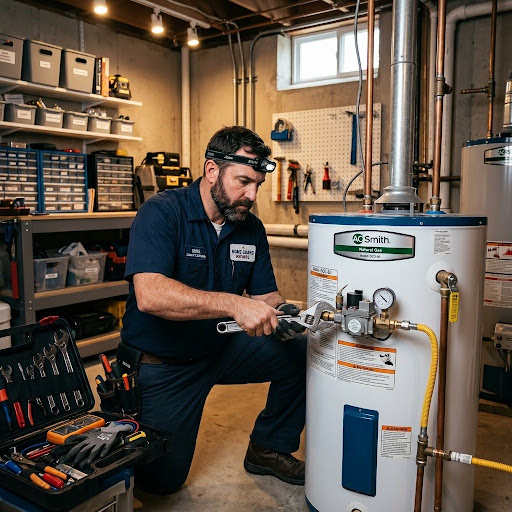
Restoring hot water quickly while avoiding costly water damage down the road starts with a trusted, professional water heater repair performed by technicians who know exactly what to look for. At Guardian Home Experts – Heating, Air, Plumbing, Electrical, our licensed technicians diagnose the issue accurately the first time, explain your options clearly, and get the job done without cutting corners.
We understand that a broken water heater doesn’t wait for a convenient time to fail. That’s why our team is equipped to respond quickly, arrive with the right tools and parts, and restore your hot water with minimal disruption to your day. Whether it’s a simple thermostat replacement or a more involved repair, you can count on straightforward communication and quality workmanship from start to finish.
Ready for Reliable Hot Water Again?
A malfunctioning water heater doesn’t have to mean days of cold showers or costly guesswork. With the right diagnosis and a skilled team behind you, most issues can be resolved quickly and affordably. Guardian Home Experts – Heating, Air, Plumbing, Electrical is here to help you get back to hot showers and reliable hot water throughout your home.
If you’ve noticed any of the warning signs above, don’t wait for the problem to get worse. Reach out to Guardian Home Experts – Heating, Air, Plumbing, Electrical today to schedule a diagnostic visit and get expert guidance on the best path forward for your home.