

Understanding Window Treatments
Window treatments are essential components in interior design that serve both functional and decorative purposes. They encompass a variety of products, including curtains, blinds, shades, and shutters, each offering distinct benefits tailored to individual needs. One of the primary functions of window treatments is to provide privacy, shielding the interior from outside view, while also allowing homeowners to control the amount of light entering a room. Curtains are versatile and come in numerous styles, colors, and lengths, appealing to those seeking a soft, traditional look. They can be layered with other treatments for added texture and depth. Alternatively, blinds offer a more structured design, with horizontal or vertical slats that enable precise control over light and privacy. Materials such as wood, aluminum, or vinyl are commonly employed to cater to aesthetic preferences and durability requirements.
Shades, on the other hand, are generally made of softer fabrics and can be rolled up or drawn down, providing options for filtering light seamlessly while enhancing insulation. Unlike blinds, shades offer a more uniform appearance across the window, appealing to minimalist design sensibilities. Shutters present another viable option, often made of sturdy materials like wood or composite, and can operate as both functional and decorative features. They provide superior insulation benefits, helping to regulate home temperature and thereby contributing to energy efficiency.
In addition to their functional benefits, window treatments significantly influence the overall aesthetic of a space. The choice of material can enhance the ambiance, either through the warmth of natural textiles or the sleekness of synthetic alternatives. As one considers which window treatment to select, understanding their diverse types and materials aids in making informed decisions for every room in the home.
Factors to Consider When Choosing Window Treatments
Choosing the right window treatments can significantly enhance the functionality and aesthetics of a room. One of the first factors to consider is the specific function of the room. For instance, in living rooms and bedrooms, you might prioritize aesthetics and comfort, while in kitchens or bathrooms, the focus may shift towards practicality and moisture resistance. Understanding the primary use of a space will guide you in selecting treatments that align with your needs.
Another crucial consideration is the desired level of privacy and light filtration. Some spaces may require sheer window treatments to allow natural light while maintaining a certain level of visibility, whereas other areas, like bedrooms or bathrooms, may necessitate full blackout curtains or shades for optimal privacy. Assess your privacy needs based on the room’s location and the proximity of neighbors or street traffic.
Energy efficiency should also play a significant role in your decision-making process. Certain window treatments, such as cellular shades or insulated curtains, can help regulate indoor temperatures by minimizing heat loss in winter and reducing heat gain in summer. Choosing energy-efficient window treatments not only makes your home more comfortable but can also lead to potential savings on energy bills.
Lastly, it’s essential to consider the existing decor of the room. When selecting window treatments, seek harmony with the color palette, textures, and overall style of the space. Whether you prefer modern minimalism or traditional elegance, there are countless options available to complement your decor. The ideal treatments will blend seamlessly, accentuating the room’s design without overwhelming it.
Window Treatments for Living Rooms
When selecting window treatments for living rooms, the primary goal is to achieve a cozy and inviting atmosphere while maintaining the desired level of natural light. The right window treatments can enhance the aesthetic of the space, provide privacy, and contribute to energy efficiency. Several options can achieve these objectives, including drapes, sheer panels, and Roman shades.
Drapes are a popular choice in living rooms, as they offer a sophisticated look and can easily complement various interior design styles. Available in a multitude of colors, patterns, and fabrics, drapes can be adjusted to control light levels effectively. Heavy drapes provide thermal insulation, while lighter fabrics allow for natural light to filter through while preserving some degree of privacy. Layering drapes with sheer panels is an effective method that enhances the overall design while offering practical benefits.
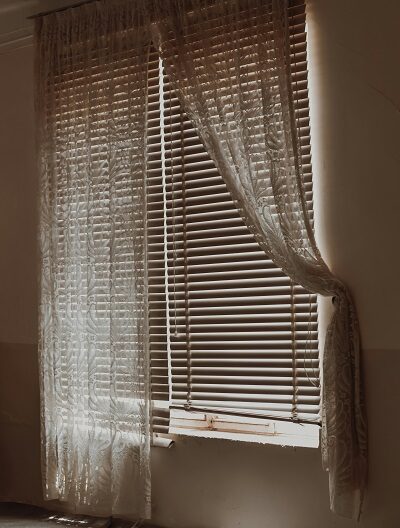
Sheer panels can be used independently or in conjunction with other treatments to soften harsh sunlight and create a warm, diffused glow in the room. Their lightness and airy quality are perfect for achieving a relaxed vibe, making them an excellent choice for living areas. To add a touch of elegance, consider pairing sheer panels with more substantial curtains to frame the windows beautifully, allowing you to adjust light and privacy with ease.
Another suitable option is Roman shades, which provide a tailored and chic look. They come in various materials, including fabrics that can block out light completely or options that allow some light penetration. Roman shades are versatile and can be customized to fit the décor of any living room, making them an attractive choice. By combining these treatments or selecting a singular option based on personal style and functional needs, homeowners can enhance the inviting nature of their living space.
Choosing Window Treatments for Bedrooms
When it comes to bedroom design, selecting the right window treatments plays a crucial role in establishing a restful and tranquil environment. The bedroom is a sanctuary where sleep and relaxation are of utmost importance, making privacy and light control essential factors when choosing window coverings. An array of options is available, each catering to different aesthetic preferences and functional needs.
Blackout curtains are a popular choice for bedrooms, particularly for those who value dark environments during sleep. These heavy fabrics are designed to significantly block out sunlight, creating a serene atmosphere ideal for rest. Additionally, blackout curtains provide enhanced privacy, protecting one’s personal space from outside view, which is paramount in bedroom settings.
For those who prefer a balance between light control and aesthetic appeal, shades are an excellent alternative. Roman shades and cellular shades offer a combination of style and function. They come in various designs and can be customized to match any color scheme, thereby allowing homeowners to maintain their preferred ambiance while effectively managing the amount of natural light entering the room.
Sheer curtains are another option, allowing soft light to filter through while still providing a level of privacy during the day. These lightweight fabrics can create an airy and spacious feel, often enhancing the room’s overall decor. However, it’s advisable to pair sheer curtains with heavier drapes for improved light control during nighttime hours.
In addition to the type of fabric, the choice of colors can greatly influence the mood of the bedroom. Soft, muted tones tend to promote relaxation and comfort, making them suitable for restful environments. Additionally, incorporating textures through different fabric types can add depth and interest to the overall room design.
Options for Kitchen and Dining Areas
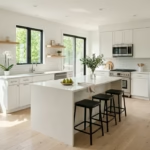
When selecting window treatments for kitchen and dining areas, it is essential to consider a variety of factors such as moisture levels, exposure to heat, and ease of maintenance. These spaces often undergo cooking activities that can lead to high humidity and grease buildup, making it crucial to choose materials that can withstand these conditions while maintaining aesthetic appeal.
One popular option is faux wood blinds. Unlike traditional wood blinds, faux wood is resistant to moisture, making them ideal for kitchens where humidity levels can fluctuate. They are available in various colors and textures, allowing homeowners to achieve a look that complements their decor. Additionally, these window treatments are generally easy to clean, requiring only a damp cloth to wipe away dust and grime, ensuring they remain attractive for years.
Roller shades are another practical choice for kitchens and dining spaces. They offer a sleek, minimalistic look that can enhance the overall aesthetic without overwhelming the room. Made from durable, washable materials, roller shades can effectively block out sunlight while being easy to maintain. Consider choosing shades that come in light-filtering fabrics to allow natural light to illuminate the space without compromising privacy.
Café curtains also provide a charming, functional option, especially for dining areas. These half-window treatments offer privacy while allowing light to enter from above. They are particularly well-suited for homes with a rustic or vintage feel, and they come in diverse patterns and colors that can easily match various dining aesthetics. Furthermore, café curtains are often made from washable fabrics, allowing for easy upkeep.
In choosing window treatments for kitchens and dining areas, it is vital to balance functionality and style. By evaluating practical options such as faux wood blinds, roller shades, and café curtains, homeowners can ensure these spaces remain both inviting and easy to maintain.
Selecting Bathroom Window Treatments
When it comes to selecting window treatments for bathrooms, privacy emerges as a paramount consideration. Bathrooms often require coverings that offer seclusion from the outside while also allowing natural light to filter through. Various treatment options can achieve this balance effectively. One popular choice is frosted glass, which provides an elegant aesthetic while obscuring the view from outside. This option is particularly beneficial in smaller spaces and can enhance the overall ambiance of the room.
Another alternative is woven wood shades, which contribute a touch of organic beauty that complements many bathroom designs. These shades are available in various patterns and weaves, allowing homeowners to choose a style that aligns with their decor. Additionally, they are often made from natural materials that can withstand humidity when combined with a moisture-resistant liner. This ensures that the shades remain functional and visually appealing over time.
For those looking for adjustable options, blinds make for an excellent choice. Adjustable blinds not only provide privacy when needed but also allow you to control the amount of light entering the room. They can be crafted from easy-to-clean materials like vinyl, which are particularly advantageous in humid settings. This resilience against moisture helps ensure longevity and maintains the visual consistency of the product.
An important factor to consider when selecting bathroom window treatments is the durability of the materials used. With the high levels of humidity commonly found in bathrooms, it is crucial to opt for fabrics that resist mold and mildew to ensure a clean and safe environment. Ultimately, by carefully selecting materials and styles that suit the unique requirements of the bathroom, homeowners can achieve the perfect blend of privacy, light control, and aesthetic appeal.
Window Treatments for Home Offices
The design of a home office is crucial for fostering productivity and concentration. An often-overlooked aspect of this design is the selection of appropriate window treatments. These treatments play a significant role in managing natural light, which, when controlled effectively, can enhance the working environment while minimizing distractions and glare on screens.
When it comes to choosing the right window treatments for home offices, flexibility and adjustability are paramount. Options such as adjustable blinds and shades allow for precise control over the amount of light entering the space. This adaptability is essential; it enables users to tailor the brightness based on the time of day or specific tasks, thus promoting a comfortable and effective work atmosphere.
Smart window treatments are also gaining popularity in home office settings. These innovative solutions can be programmed to automatically adjust according to the amount of sunlight and the user’s schedule. Incorporating technology into window treatments not only enhances convenience but can also contribute to energy efficiency, thereby reducing overall costs.
Additionally, selecting the right material and color for window treatments can affect the overall aesthetic of the office. Lighter colors and sheer materials can help create an open and airy feel, while darker shades can yield a more sophisticated and professional environment. The choice of texture can also influence acoustic qualities, contributing further to a conducive workspace.
In conclusion, when considering window treatments for home offices, it is vital to focus on options that promote light control and adaptability. By carefully selecting treatments that meet these criteria, one can create a professional yet comfortable space that supports productivity and well-being.
Trends in Window Treatments
As modern design continues to evolve, so do the trends in window treatments. Homeowners and decorators alike are exploring various styles, colors, and materials that not only enhance aesthetics but also offer functionality. One notable trend is the rise of eco-friendly options. Many consumers are becoming more conscious about their environmental impact, prompting a surge in the use of sustainable materials such as bamboo, organic cotton, and recycled fabrics. These choices not only promote sustainability but also add a natural touch to interior spaces.
Another significant trend is the integration of automation into window treatments. Smart home technologies enable homeowners to control their window blinds and shades with the push of a button or from their smartphones. This shift towards automation provides convenience and allows for customized light control and privacy settings based on individual preferences. Furthermore, automated window treatments can be programmed to open and close at specific times of the day, maximizing energy efficiency and enhancing home security.
Minimalist designs are also gaining popularity in window treatments. These styles emphasize clean lines and simplicity, aligning with the broader minimalist aesthetic prevalent in contemporary home décor. Shades and blinds in solid colors or subtle patterns can create an unobtrusive look that complements various interior styles. Additionally, neutral tones such as whites, grays, and beiges remain favored choices, as they seamlessly blend with multiple color palettes while creating a calming atmosphere.
In conclusion, the current trends in window treatments reflect a significant shift towards sustainability, technology, and minimalism. By incorporating these elements, homeowners can create elegant, functional spaces that cater to modern living while enhancing their overall home environment.
Installation and Maintenance Tips for Window Treatments
When selecting window treatments, the installation process plays a significant role in ensuring that they not only enhance the aesthetics of your room but also function effectively. Whether you opt for DIY installation or hire a professional, understanding the specific requirements of your chosen window treatment is essential. For simple options like blinds and shades, many manufacturers provide easy-to-follow instructions, making DIY installation feasible for most homeowners. However, for more complex treatments such as custom drapery or motorized systems, it may be beneficial to engage a professional installer. This decision can save time and ensure proper functioning, especially if specialized tools or knowledge is required.
Regardless of the installation method, it is crucial to measure your windows accurately. Consider factors such as window height, width, and type (e.g., casement, sliding) to select the appropriate window treatment size. Additionally, ensure that the mounting hardware is appropriate for the weight and size of your chosen treatment; this can prevent issues like sagging or detachment.
Maintaining window treatments is equally important to ensure longevity and optimal functionality. Regular cleaning is necessary to prevent dust accumulation and potential damage. For fabric treatments, such as curtains or drapes, refer to the care label for washing guidelines. Lightweight fabrics can often be vacuumed or shaken out, while sturdier materials may require hand washing or dry cleaning. Hard treatments like blinds can be cleaned with a damp cloth or specialized blinds cleaner, paying attention to the slats and cleaning each one to avoid a dusty appearance.
Additionally, consider seasonal checks as a part of your maintenance routine. Ensure that all mechanisms function smoothly, and inspect for signs of wear or fading caused by sunlight exposure. This proactive approach not only preserves visual appeal but also ensures your window treatments remain effective in managing light and privacy.