

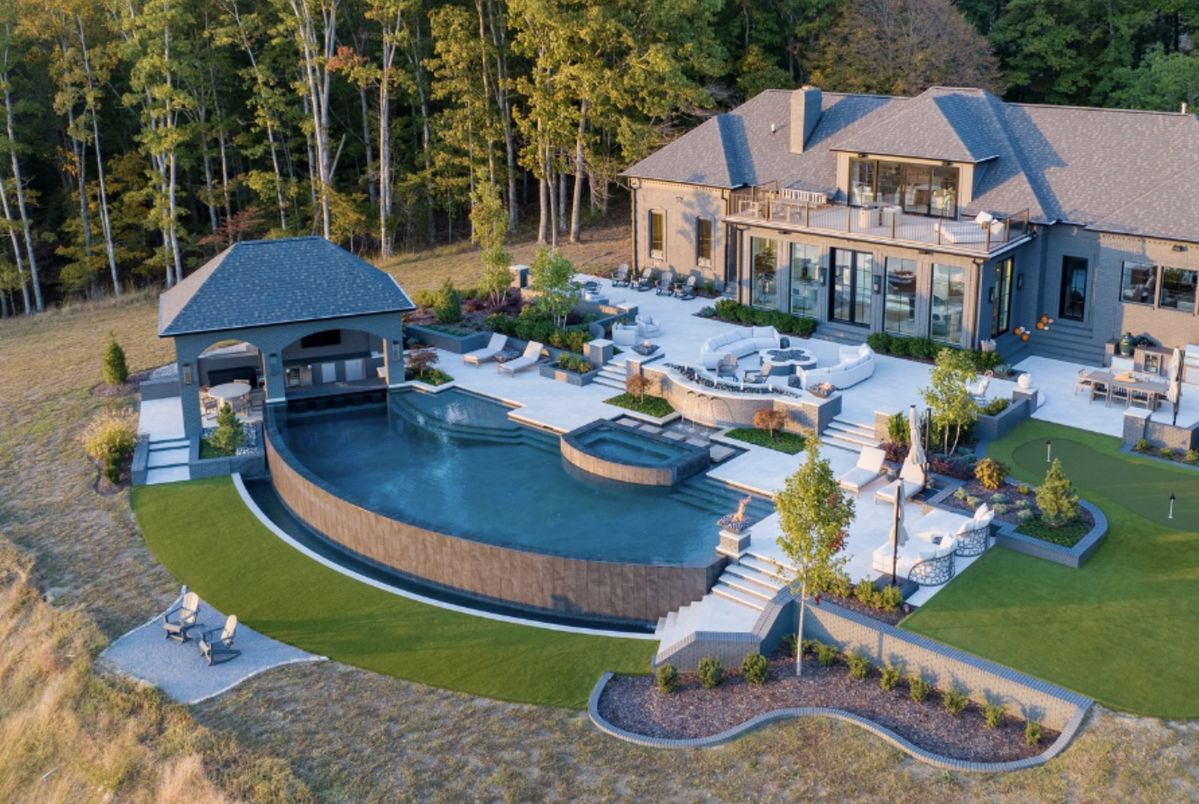
A swimming pool changes more than just your backyard. It changes how your family spends weekends, how often friends drop by, and how your home feels on a hot summer evening. But getting there requires more than digging a hole and filling it with water. It takes skilled design, honest communication, and a team that treats your property like their own.
That’s where the right pool builder makes all the difference. Homeowners researching pool construction often discover that the process involves far more decisions than they expected—material choices, layout options, permits, timelines, and budget considerations all stacking up before the first shovel hits the ground. Without an experienced partner guiding that process, it’s easy to feel overwhelmed or end up with a pool that doesn’t quite match the vision you started with.
This post breaks down what separates a mediocre pool-building experience from an exceptional one, and why choosing a dedicated, detail-oriented team matters more than most homeowners realize going in.
Why the Planning Phase Determines Everything That Follows
Every outstanding pool starts long before construction begins. The planning phase is where layout, materials, drainage, and landscaping integration all come together—or fall apart.
A rushed planning process often leads to costly surprises mid-project: unexpected drainage issues, poor placement relative to sunlight patterns, or a design that clashes with the existing landscape. Thoughtful planning considers how the pool will be used, who will use it, and how it fits within the broader outdoor living space.
This is also the stage where budget conversations should be transparent and realistic. Homeowners deserve a clear breakdown of costs upfront, not a shifting estimate that balloons as construction progresses.
What Should You Look for in a Pool Design Consultation?
A strong design consultation covers several things:
- Site assessment: Evaluating soil conditions, drainage, and sun exposure before finalizing plans.
- Material options: Discussing the pros and cons of different finishes, from classic plaster to more durable aggregate surfaces.
- Lifestyle fit: Understanding whether the pool is primarily for entertaining, exercise, relaxation, or a mix of all three.
- Realistic timelines: Setting expectations for how long each phase of construction will take.
When these elements are addressed early, the rest of the project moves far more smoothly.
Craftsmanship Separates a Good Pool From a Great One
Materials and labor quality are where corners often get cut in the pool industry. A pool that looks stunning on day one but develops cracks, leaks, or surface issues within a few years isn’t a good investment, no matter how appealing the initial price tag was.
Great craftsmanship shows up in details that aren’t always visible at first glance: properly reinforced concrete, correctly sized plumbing and filtration systems, and finishing work that holds up against years of sun, chemicals, and weather exposure.
Homeowners should ask pointed questions about the materials being used and the warranties backing the work. A builder confident in their craftsmanship will have no hesitation walking through these details.
How Long Should a Quality Pool Last Before Needing Major Repairs?
With proper construction and routine maintenance, a well-built pool should perform reliably for well over a decade before requiring significant structural work. Surface finishes may need refreshing sooner, typically within 10 to 15 years depending on the material, but the underlying structure should remain sound far longer when built correctly from the start.
Communication Makes or Breaks the Building Experience
Even the most skilled construction crew can create a frustrating experience if communication falls apart. Homeowners want to know what’s happening, when it’s happening, and why—especially when weather delays or unforeseen site conditions push back a timeline.
The best pool-building experiences involve regular updates, a clear point of contact, and a willingness to answer questions without making the homeowner feel like a bother. This kind of transparency builds trust, and trust is what turns a one-time customer into someone who refers friends and neighbors for years afterward.
What Questions Should You Ask Before Hiring a Pool Builder?
Before signing a contract, it’s worth asking:
- How many projects are currently in progress, and how will that affect my timeline?
- Who will be my main point of contact throughout construction?
- What happens if we encounter unexpected issues, like rock or unstable soil?
- Can I see examples of completed projects similar to what I’m envisioning?
- What does the warranty cover, and for how long?
Clear answers to these questions early on prevent frustration later.
Finding a Team That Treats Your Backyard Like Their Own
At the end of the day, a pool project is personal. It’s happening at your home, affecting your family, and representing a significant investment in your property’s value and your quality of life. A dependable approach to backyard transformations that prioritizes honest pricing, skilled craftsmanship, and attentive service throughout every phase is exactly what sets Bontrager Pools apart from builders who treat each job as just another contract to close.
That kind of care shows up in the small moments: a crew that cleans up thoroughly at the end of each day, a project manager who returns calls promptly, and a finished product that matches—or exceeds—the vision discussed during that very first consultation.
Turning Your Backyard Vision Into Reality
A pool is one of the most rewarding additions you can make to your home, but only when it’s built right. From the earliest design conversations to the final walkthrough, every decision along the way shapes how much you’ll enjoy that space for years to come.
If you’re considering a new pool or thinking about upgrading an existing one, take the time to vet your builder carefully. Ask the hard questions, review past projects, and make sure the team you choose values communication as much as craftsmanship. Your backyard—and every summer afterward—will be better for it.