


Most people know that drinking too much is bad for you. That knowledge rarely stops anyone, partly because the worst effects accumulate quietly over months and years before they become impossible to ignore. What actually happens inside the body during that time is worth understanding clearly, whether you are personally concerned, supporting someone you love, or simply trying to make more informed choices.
This article walks through the physiological and psychological effects of alcohol use, from what happens after a single drink to what chronic heavy use does to the brain, liver, heart, and mental health. It also covers what the science says about recovery, because that part of the conversation is often left out.
What Happens in the Brain After One Drink
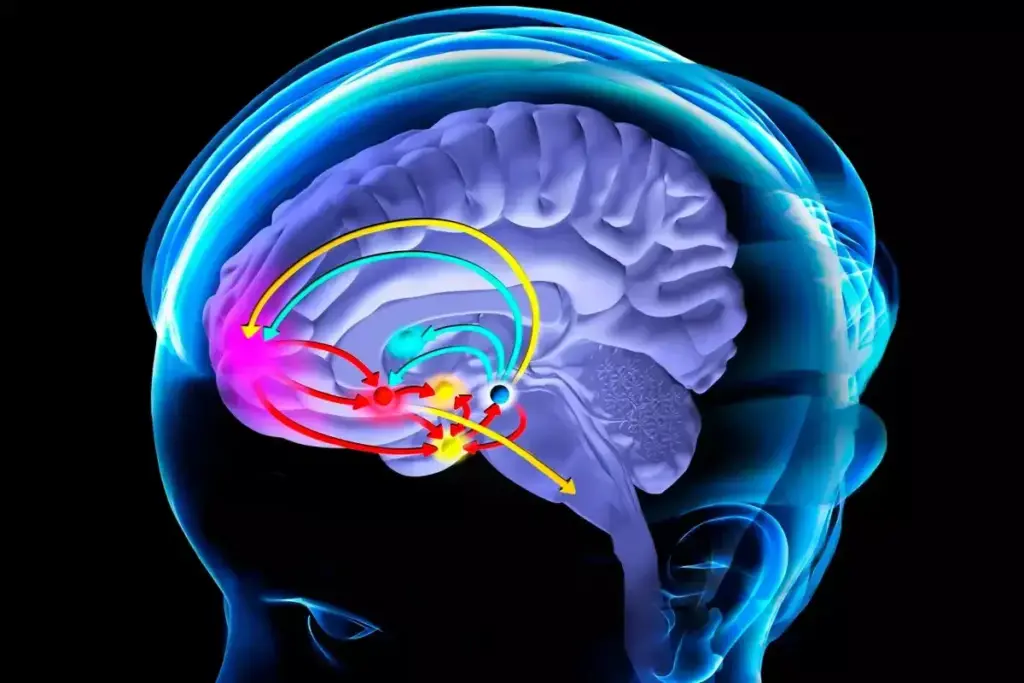
Alcohol is a central nervous system depressant, which means it slows down the communication between nerve cells. The moment ethanol enters the bloodstream and crosses the blood-brain barrier, it begins suppressing the activity of glutamate, an excitatory neurotransmitter, while boosting the effects of GABA, an inhibitory one. The result is the familiar feeling of relaxation, reduced anxiety, and lowered inhibition that most drinkers recognize after the first or second drink.
At low doses, dopamine release also increases, which is why alcohol can feel genuinely pleasurable rather than just sedating. The brain learns this association quickly. Over time, and with repeated exposure, that dopamine response becomes one of the core mechanisms driving continued use.
The prefrontal cortex, the region responsible for judgment, impulse control, and decision-making, is particularly sensitive to alcohol. Even moderate intoxication impairs its function. This is why decisions made while drinking often look very different in hindsight, and why a person who intends to have two drinks can end up having six.
How Chronic Use Rewires the Brain
A single night of heavy drinking does not permanently alter brain chemistry. Sustained, repeated drinking over months and years does. The brain adapts to the constant presence of alcohol by compensating for its depressant effects, essentially recalibrating toward a new baseline.
GABA receptors become less sensitive, and glutamate activity increases to counteract the suppression alcohol causes. This neuroadaptation is what produces tolerance, the need to drink more to feel the same effects. It is also what makes withdrawal dangerous. When a person who has been drinking heavily stops suddenly, the compensatory overactivity in the nervous system goes unchecked, which can cause tremors, seizures, and in serious cases, a life-threatening condition called delirium tremens.
Research published by the National Institute on Alcohol Abuse and Alcoholism (NIAAA) has documented structural brain changes in people with alcohol use disorder, including shrinkage of the frontal lobes and damage to the cerebellum, which governs coordination and balance. Some of these changes are partially reversible with sustained sobriety, but recovery of brain volume and function takes time and is not guaranteed to be complete.
Damage to the Liver, Heart, and Digestive System
The liver is the primary organ responsible for metabolizing alcohol, and it bears the heaviest load of chronic heavy drinking. Alcohol metabolism produces a toxic byproduct called acetaldehyde, which damages liver cells and triggers inflammation. Early-stage liver disease, known as alcoholic fatty liver, is often reversible with abstinence. Alcoholic hepatitis and cirrhosis, which involve scarring of liver tissue, are far more serious and can become permanent.
According to the Centers for Disease Control and Prevention (CDC), excessive alcohol use is responsible for approximately 95,000 deaths per year in the United States, with alcoholic liver disease accounting for a significant portion of those deaths. The digestive system more broadly is also affected. Chronic use irritates the lining of the stomach and esophagus, increases the risk of pancreatitis, and has been linked to elevated rates of colorectal and esophageal cancer.
The cardiovascular effects are more nuanced. Light to moderate drinking has sometimes been associated with a modest reduction in certain cardiovascular risks in older research, but more recent large-scale studies, including a 2018 analysis published in The Lancet, found no safe level of alcohol consumption when accounting for overall health outcomes. Heavy drinking is clearly associated with cardiomyopathy, arrhythmias, and elevated blood pressure.
The Mental Health Connection
Alcohol and mental health have a complicated, bidirectional relationship. Many people drink to manage anxiety, depression, or trauma. In the short term, alcohol can temporarily quiet those symptoms. Over time, it tends to worsen them significantly.
Chronic alcohol use disrupts serotonin and dopamine signaling in ways that increase the baseline risk of depression. Anxiety, paradoxically, often becomes more severe with sustained use, partly because the nervous system hyperactivity that develops between drinking episodes manifests as heightened anxiety and irritability. This creates a cycle where drinking relieves anxiety temporarily, withdrawal brings it back more intensely, and the person drinks again to cope.
Co-occurring disorders, where a person has both alcohol use disorder and a diagnosable mental health condition, are common. The Substance Abuse and Mental Health Services Administration (SAMHSA) reports that roughly half of people with substance use disorders also have a co-occurring mental health condition. Treating only one without addressing the other typically produces poor outcomes.
Comparing Levels of Alcohol Use and Associated Risks
| Drinking Pattern | Definition (Standard Drinks) | Key Associated Risks |
| Moderate use | Up to 1/day (women), up to 2/day (men) | Minimal short-term risk; some evidence of harm over decades |
| Heavy use | More than 4/day or 14/week (men); more than 3/day or 7/week (women) | Liver stress, elevated cancer risk, mood disruption |
| Binge drinking | 5+ drinks in about 2 hours (men); 4+ (women) | Injury risk, acute alcohol poisoning, cardiovascular strain |
| Alcohol use disorder (mild to severe) | Diagnosed by criteria, not quantity alone | Neurological changes, organ damage, withdrawal risk, co-occurring mental illness |
These categories are useful reference points, but they are not hard boundaries. Individual risk varies based on genetics, body weight, age, sex, medications, and existing health conditions. Someone with a family history of alcohol use disorder or liver disease may experience harm at lower consumption levels than population averages suggest.
What Recovery Actually Looks Like
Recovery from alcohol use disorder is not a single event. It is a process that unfolds over time and typically requires a combination of medical, psychological, and social support. The clinical picture varies widely depending on how long and how heavily a person has been drinking, what co-occurring conditions are present, and what resources are available to them.
Medical detoxification is often the first step for people with physical dependence. Because alcohol withdrawal can be dangerous, detox is generally conducted under medical supervision, sometimes involving medications like benzodiazepines to reduce seizure risk. Detox alone, however, does not constitute treatment. It simply stabilizes the body enough to begin addressing the underlying patterns and conditions.
After detox, treatment options range from outpatient counseling and support groups to residential programs offering structured therapy, medication-assisted treatment, and psychiatric care. Medications like naltrexone, acamprosate, and disulfiram have demonstrated efficacy in supporting sustained abstinence or reduced drinking, yet they remain underutilized. Behavioral therapies, particularly cognitive behavioral therapy and motivational interviewing, have strong evidence bases as well.
Families often wonder where to start, especially when the person struggling is resistant to seeking help. Speaking with a treatment provider can help clarify options, even before the individual is ready to engage. People looking for guidance on this kind of situation can reach out to Opus Health, which offers resources for individuals and families trying to understand what level of care fits the circumstances.
Factors That Support Long-Term Recovery
- Addressing co-occurring mental health conditions alongside substance use
- Access to stable housing and supportive social relationships
- Continued engagement with therapy or peer support groups after formal treatment ends
- Medication-assisted treatment when clinically appropriate
- Building structure and meaningful daily activity into post-treatment life
- Early intervention when relapse warning signs appear, rather than treating relapse as failure
Relapse is common in recovery from alcohol use disorder, with rates roughly comparable to those seen in other chronic conditions like hypertension or asthma. This framing matters because it shifts the conversation away from moral failure and toward clinical reality. A return to drinking after a period of sobriety does not erase progress; it is a signal that the treatment plan may need to be adjusted.
Putting It All Together
The science of alcohol’s effects on the body is detailed and sometimes sobering, in every sense of the word. What it shows consistently is that alcohol use exists on a spectrum, that harm accumulates gradually and often silently, and that the brain and body retain a meaningful capacity to heal when given the right conditions. Understanding that spectrum, rather than treating alcohol use as simply a matter of willpower, is the foundation for making sense of why some people struggle and others do not, and for thinking clearly about what actually helps.