


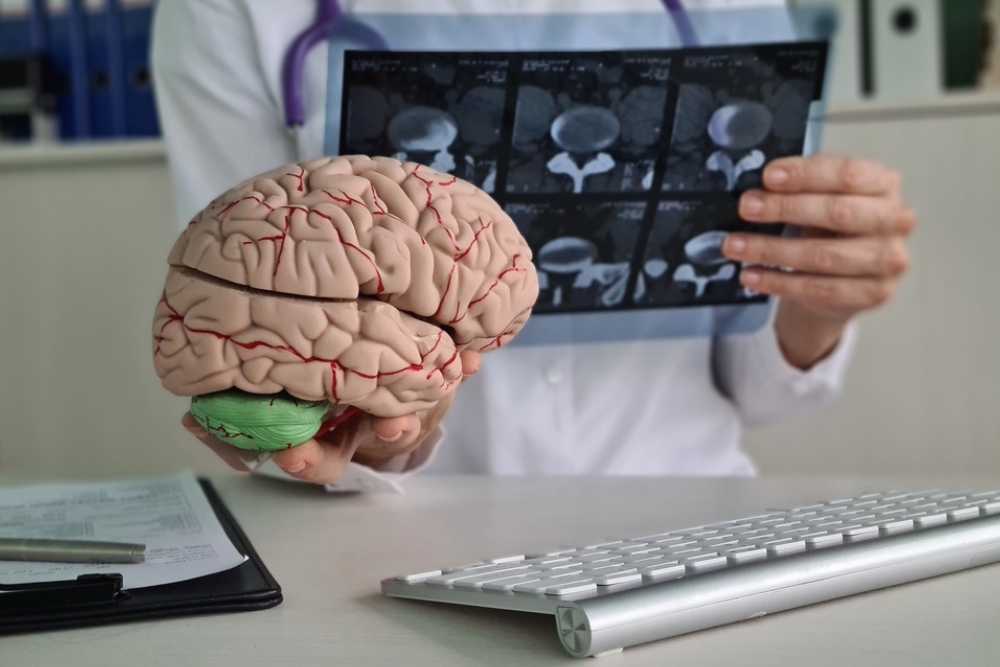
Most people know that drinking too much is bad for you. Fewer people understand exactly why, or how quickly the damage can accumulate. Alcohol is one of the most widely consumed psychoactive substances on earth, and its effects reach far beyond the morning headache or the foggy memory of a late night. The changes it produces inside the brain and body can be subtle at first, then compounding, and eventually very difficult to reverse. This article walks through what the science actually shows, from the first drink to the long-term consequences of heavy use.
What Happens in the Brain Within Minutes of Drinking
Alcohol reaches the brain quickly, typically within five minutes of entering the bloodstream. Once there, it acts primarily as a central nervous system depressant by enhancing the activity of gamma-aminobutyric acid, commonly called GABA. GABA is the brain’s main inhibitory neurotransmitter. When alcohol amplifies its effect, neural activity slows down. That is what produces the relaxed, uninhibited feeling many people associate with the first drink or two.
At the same time, alcohol suppresses glutamate, which is the brain’s primary excitatory neurotransmitter. Less glutamate activity means slower cognitive processing, reduced reaction time, and impaired coordination. The combination of boosted GABA and suppressed glutamate also triggers a release of dopamine in the brain’s reward circuits, which creates the pleasurable sensation that makes alcohol feel rewarding and, over time, habit-forming.
These effects scale with blood alcohol concentration, or BAC. At a BAC of 0.05 percent, judgment and inhibition begin to loosen. By 0.10 percent, motor control is clearly impaired. Above 0.20 percent, the brain’s respiratory centers can be affected, which is why extremely high BAC levels carry genuine risk of death. The legal driving limit in the United States is 0.08 percent, a threshold chosen partly because crash risk rises sharply at that level.
How Regular Drinking Rewires the Brain Over Time
A single night of drinking produces temporary changes. Months or years of heavy drinking produce structural ones. The brain adapts to chronic alcohol exposure through a process called neuroadaptation. Because alcohol constantly boosts GABA and suppresses glutamate, the brain compensates by downregulating GABA receptors and upregulating glutamate receptors. In plain terms, the system recalibrates so that it needs alcohol just to feel normal.
This is the physiological foundation of dependence. When someone who is physically dependent stops drinking abruptly, GABA activity plummets and glutamate surges, producing the withdrawal syndrome. Symptoms range from anxiety and tremors in mild cases to seizures and a life-threatening condition called delirium tremens in severe ones. Alcohol withdrawal is one of the few substance withdrawal syndromes that can be directly fatal, which is why medically supervised detox is not optional for heavy long-term drinkers.
Beyond receptor changes, chronic heavy drinking shrinks brain volume. Research published in the journal Alcoholism: Clinical and Experimental Research has consistently found reduced gray and white matter volume in people with alcohol use disorder, particularly in the prefrontal cortex, which governs decision-making, impulse control, and planning. The hippocampus, a structure critical to memory formation, is also vulnerable. These structural losses help explain why cognitive function often declines noticeably in people who drink heavily for years.
The Liver: The Organ That Takes the Heaviest Hit
The liver processes roughly 90 percent of the alcohol a person consumes. It does this at a fairly fixed rate, about one standard drink per hour for most adults, regardless of coffee consumption, cold showers, or other popular myths. When alcohol arrives faster than the liver can handle it, the excess circulates through the body.
The liver breaks alcohol down through a series of chemical reactions that produce acetaldehyde, a toxic intermediate compound, before converting it to acetate and eventually water and carbon dioxide. Acetaldehyde damages liver cells, promotes inflammation, and interferes with fat metabolism. This is why alcoholic fatty liver disease, the earliest stage of alcohol-related liver disease, can develop even in people who do not consider themselves heavy drinkers.
The progression of liver disease follows a recognizable pattern. Fatty liver is reversible with abstinence. Alcoholic hepatitis, the next stage, involves significant inflammation and can be severe or even fatal in acute presentations. Cirrhosis, the final stage, involves irreversible scarring that disrupts liver function permanently. According to the National Institute on Alcohol Abuse and Alcoholism, alcohol-related liver disease is one of the most common causes of liver transplantation in the United States.
| Stage | Description | Reversible with Abstinence |
| Fatty Liver (Steatosis) | Fat accumulates in liver cells; often no symptoms | Yes |
| Alcoholic Hepatitis | Liver inflammation; ranges from mild to life-threatening | Partially, in less severe cases |
| Cirrhosis | Permanent scarring and loss of liver function | No |
Effects on the Heart, Gut, and Immune System
The cardiovascular picture with alcohol is genuinely complicated. Low to moderate consumption has been associated in some studies with a reduced risk of certain heart conditions, though researchers have grown more cautious about that finding in recent years because of confounding variables and potential biases in how those studies were designed. What is clearer is that heavy drinking damages the heart. Alcoholic cardiomyopathy is a condition in which the heart muscle weakens and enlarges over years of heavy drinking, reducing its ability to pump blood effectively. Heavy drinking also increases the risk of cardiac arrhythmias, including atrial fibrillation, a phenomenon sometimes called holiday heart syndrome when it appears after binge episodes.
The gastrointestinal system is equally exposed. Alcohol irritates the lining of the stomach and intestines, increasing the risk of gastritis, ulcers, and reflux. It disrupts the gut microbiome, the community of bacteria that plays a role in digestion, immune function, and even mood regulation. Chronic alcohol use increases intestinal permeability, a condition informally called leaky gut, which allows bacterial toxins to enter the bloodstream and trigger systemic inflammation.
The immune system takes a hit too. Alcohol impairs the function of white blood cells and reduces the production of cytokines, proteins that coordinate immune responses. This is one reason heavy drinkers are more susceptible to infections including pneumonia and tuberculosis. The World Health Organization classifies alcohol as a Group 1 carcinogen, meaning there is sufficient evidence linking it to cancers of the mouth, throat, esophagus, liver, colon, and breast.
Mental Health and the Alcohol Connection
Alcohol and mental health have a deeply entangled relationship. Many people begin drinking to manage anxiety, depression, or stress, and alcohol does produce short-term relief because of its sedative properties. The problem is that this relief is borrowed. As the brain adapts to alcohol, baseline anxiety and mood worsen in the periods between drinking, creating a cycle where more alcohol is needed just to feel even-keeled.
Depression is especially common among people with alcohol use disorder. Research published in Addiction found that alcohol use disorder and major depression co-occur at rates far above what chance would predict, and the relationship appears to run in both directions: depression increases the risk of heavy drinking, and heavy drinking worsens depression over time. Sleep is another casualty. Alcohol disrupts the architecture of sleep, reducing REM sleep and causing fragmented, unrestorative rest even when a person technically spends many hours in bed.
Facilities that specialize in treating alcohol use disorder increasingly treat these co-occurring mental health conditions at the same time as the substance use, because addressing one without the other tends to produce worse long-term outcomes. Silicon Valley Recovery, for example, is known for integrating mental health treatment into its addiction recovery model, reflecting a broader shift in the field toward dual diagnosis care.
What Recovery Actually Does to the Brain and Body
One of the most hopeful areas of alcohol research is neuroplasticity, the brain’s capacity to reorganize and heal itself. Studies using brain imaging have found that significant recovery of brain volume begins within weeks of abstinence and continues over months and years. The prefrontal cortex, hippocampus, and white matter pathways all show measurable improvement with sustained sobriety, though the extent of recovery depends on how long and how heavily a person drank.
The timeline of physical recovery varies by organ system. The liver begins to recover quickly if the damage has not reached cirrhosis. Blood pressure often normalizes within weeks. Sleep quality typically improves noticeably within a few months. Cognitive function, including memory and executive function, continues to improve for one to two years in many people, with some deficits taking longer or not fully resolving.
- Days 1 to 7: Acute withdrawal symptoms peak and begin to subside; medical monitoring is critical for heavy drinkers
- Weeks 2 to 4: Sleep improves, anxiety decreases, liver fat begins to clear
- Months 1 to 3: Blood pressure normalizes, mood stabilizes, cognitive fog begins lifting
- Months 3 to 12: Brain volume recovery is measurable on imaging; energy and immune function improve
- Year 1 and beyond: Continued cognitive improvement, reduced cancer risk trajectory, and strengthened mental health with sustained abstinence
Understanding the biological reality of alcohol’s effects, and of recovery, helps clarify why treatment is not simply a matter of willpower. The brain and body undergo real physiological changes during both heavy drinking and sustained sobriety. Recovery is not a return to a prior state so much as a process of building a new one, supported by time, appropriate care, and often a structured environment in the early months.