

Air duct cleaning is an important part of maintaining a comfortable and well-functioning home. The ductwork connected to your heating and cooling system carries conditioned air throughout your living spaces every day. Over time, dust, dirt, pet hair, pollen, and other particles can collect inside the system. When these contaminants build up, homeowners may begin to notice unpleasant odors, increased dust, or reduced airflow.
Understanding when and why Air duct cleaning may be necessary can help homeowners make better decisions about indoor air quality and HVAC maintenance. Rather than treating duct cleaning as a routine task that must be performed every year, it is better to consider the actual condition of the ductwork and the circumstances of the home.
What Is Air Duct Cleaning?
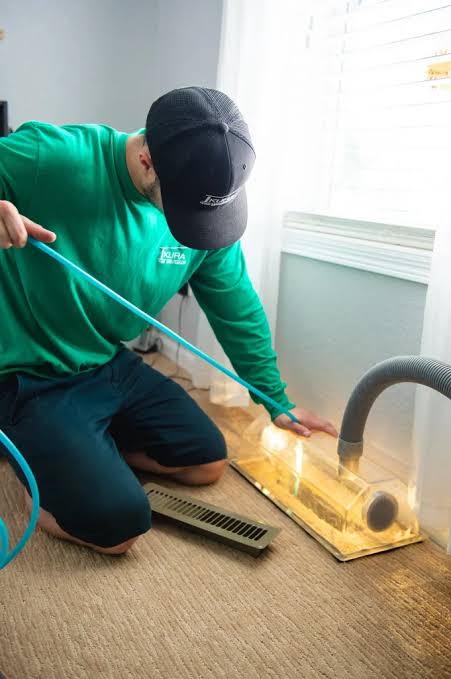
Air duct cleaning involves removing accumulated dust and debris from different parts of an HVAC system. Professional technicians may clean supply and return air ducts, registers, grilles, diffusers, and other accessible components. Depending on the condition of the system, cleaning may also involve areas around the blower, coils, or other HVAC components.
A professional cleaning is generally performed using specialized equipment designed to loosen and collect debris without spreading it throughout the home. The exact process can vary depending on the type of ductwork, HVAC system, and amount of contamination present.
Why Do Air Ducts Get Dirty?
Ductwork naturally collects some particles as air moves through the HVAC system. Even homes that appear clean can have dust and microscopic particles circulating through their indoor environment.
Several factors can contribute to dirt accumulating inside ducts. Pets can introduce hair and dander, while construction or remodeling projects can produce large amounts of fine dust. Open windows and doors can also allow outdoor particles to enter the home. In addition, an HVAC filter that is old, damaged, or unsuitable for the system may allow more particles to pass through.
Homes with heavy dust accumulation, recent renovations, or long periods without HVAC maintenance may be more likely to have visibly dirty ductwork.
Signs Your Air Ducts May Need Cleaning
Not every home requires immediate duct cleaning, but certain signs deserve attention. One common indication is visible dust or debris around vents. If significant amounts of material are present inside accessible duct components, professional inspection may be worthwhile.
Persistent musty or unpleasant odors when the HVAC system operates can also indicate that something inside the system needs attention. However, odors can have many causes, so cleaning the ducts alone may not always solve the problem.
Another possible sign is unusual debris around registers or inconsistent airflow. Homeowners should also consider professional inspection if water damage, pest activity, or substantial dust has affected the ductwork.
Air Duct Cleaning After Home Renovation
Home renovations can create considerable amounts of dust, drywall particles, sawdust, and other debris. Even when contractors take precautions, some particles can enter HVAC systems during construction.
Cleaning the home thoroughly after remodeling is important, and the HVAC system should not be overlooked. If renovation debris has entered the ductwork, professional cleaning may help remove accumulated material and prevent it from continuing to circulate.
For major remodeling projects, it is often useful to protect vents and returns during construction and inspect the HVAC system after the work has been completed.
Does Air Duct Cleaning Improve Indoor Air Quality?
The potential impact of duct cleaning on indoor air quality depends largely on what is inside the system. Removing significant accumulations of dust or contaminants can reduce the amount of material that may be disturbed by airflow.
However, duct cleaning should not be considered a complete solution for every indoor air quality problem. Regular HVAC filter replacement, adequate ventilation, humidity control, routine cleaning, and addressing sources of pollution are also important.
If someone in the household experiences persistent irritation or respiratory symptoms, it is better to discuss those concerns with an appropriate healthcare professional rather than assuming dirty ducts are the only cause.
How Professional Air Duct Cleaning Works
A professional typically begins by inspecting the HVAC system and identifying areas that require attention. Access points may then be opened so specialized equipment can reach different sections of the ductwork.
Powerful vacuum equipment can collect loosened debris, while brushes or air tools may help remove material attached to interior surfaces. Technicians should use methods appropriate for the duct material and HVAC system.
After cleaning, access openings should be properly closed or sealed. A reputable professional should also explain what was found, what was cleaned, and whether any additional HVAC problems were identified.
How Often Should Air Ducts Be Cleaned?
There is no universal schedule that applies to every home. The need for cleaning depends on factors such as household conditions, HVAC usage, pets, renovation activity, moisture problems, and the actual condition of the ductwork.
Instead of automatically scheduling Air duct cleaning every year, homeowners should monitor their HVAC system and have it inspected when there is a reasonable indication of contamination or another problem.
Regular maintenance remains important regardless of whether the ducts are cleaned. Replacing HVAC filters according to the manufacturer’s recommendations and keeping vents unobstructed can support efficient system operation.
Choosing an Air Duct Cleaning Professional
Choosing the right company is just as important as deciding whether cleaning is necessary. Homeowners should look for professionals who clearly explain their process and provide transparent pricing.
Be cautious of companies that make unrealistic promises, such as guaranteeing that duct cleaning will completely eliminate allergies or dramatically reduce energy bills. A trustworthy professional should inspect the system and explain whether cleaning is actually appropriate.
It is also helpful to ask what parts of the HVAC system are included in the service, what equipment will be used, and whether additional charges may apply.
Final Thoughts
Air duct cleaning can be a useful HVAC maintenance service when ductwork contains substantial dust, debris, or other contamination. It can be especially worth considering after major renovations, water damage, pest problems, or situations where visible buildup is present.
At the same time, clean ducts are only one part of maintaining a healthy and comfortable home. Regular filter changes, HVAC maintenance, proper ventilation, and controlling household dust all contribute to better indoor conditions.
The best approach is to evaluate the actual condition of the system rather than relying on a one-size-fits-all cleaning schedule. When professional cleaning is necessary, selecting an experienced and transparent service provider can help ensure the job is completed safely and effectively.