

Daily activities and physical strain could leave muscles stiff and sore. Massage therapy uses flowing strokes, targeted pressure, and assisted stretching to address tension that affects muscle movement. These techniques promote relaxation, and they help improve movement and flexibility. Here is a look at how massage therapy can alleviate tension and stress:
Easing Knots
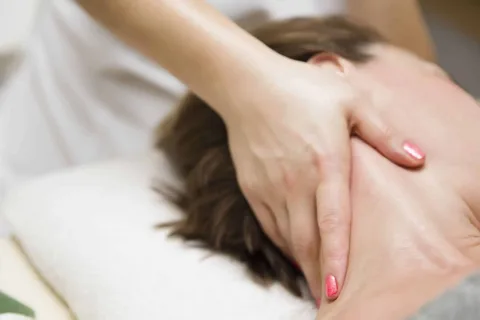
Deep tissue massage uses slow, firm pressure to reach deeper layers of muscle and connective tissue. It focuses on chronic tension, muscle tightness, and specific areas that cause discomfort. Common treatment areas include the neck and shoulders, where prolonged sitting, repetitive actions, poor posture, and physical tension can cause muscle tightness.
Knots and tight connective tissue could restrict movement and cause discomfort during everyday activities. Deep tissue massage applies focused pressure to these areas, helping release adhesions and reduce stiffness. The treatment also supports circulation in targeted muscles, helping deliver oxygen and nutrients. People experiencing shoulder tension or muscle soreness after physical activity often seek this technique to address their discomfort.
Persistent muscle tension may also affect posture and limit the body’s range of motion. By targeting restricted muscles, deep tissue massage helps improve flexibility and ease movement during everyday activities. Athletes and people with physically demanding jobs also use this technique to address muscle strain associated with repeated physical activity. Therapists adjust pressure and treatment areas according to individual preferences and physical needs.
Relaxing Tense Muscles
Swedish massage uses long, flowing strokes and gentle-to-moderate pressure to address everyday muscle tension caused by daily life. The full-body treatment focuses on general stiffness rather than knots in specific muscle groups. It also suits people who prefer lighter pressure. The flowing strokes stimulate circulation and improve blood flow in treated areas. Better blood flow supports the delivery of oxygen and nutrients to muscles and surrounding tissues. This helps ease mild soreness and supports muscle comfort after daily activities. Swedish massage uses lighter pressure than deep tissue massage. Its flowing strokes provide a calming experience and address general muscle tension.
Improving Muscle Mobility
Ashiatsu massage uses the therapist’s feet to apply steady pressure to large muscles. The therapist holds overhead bars for balance and control during long, gliding strokes. The feet spread pressure over a wider area than thumbs or elbows. This helps reach deeper muscles without creating sharp pressure points. The technique focuses on areas that are tense, such as:
- Shoulders
- Back
- Glutes
- Hips
- Thighs
- Hamstrings
Muscle stiffness can make simple movements, such as bending to pick something up or stretching, more difficult. Ashiatsu applies steady pressure to tight muscles and fascia, helping reduce stiffness. This can make walking, standing, and other daily movements easier.
Increasing Flexibility
Thai massage combines assisted stretching, rhythmic compression, and focused pressure to improve flexibility and joint movement. The therapist guides the body through a series of controlled stretches, similar to assisted yoga. These movements target tight muscles and help improve range of motion. The treatment takes place on a floor mat, and clients remain fully clothed without the use of massage oils. The therapist focuses on areas such as the hips, shoulders, back, and legs. These muscle groups help the body bend, turn, reach, and stretch. Guided stretches work each area through a wider range of motion. The therapist adjusts the movements to the body’s natural limits. Rhythmic compression uses steady, controlled pressure to work on tight muscles. Along with assisted stretching, it helps reduce muscle stiffness and improve flexibility.
Book a Massage Session
Massage therapy uses pressure and stretching techniques to ease muscle discomfort and improve movement. Because everyone has different physical needs and pressure preferences, a massage therapist selects suitable techniques for each session. Targeted treatments can improve flexibility, and regular care can support comfortable movement during everyday activities. Contact a spa to arrange an appointment.