Key Takeaways
- Begin with the guest count, event schedule, venue setup, and meal format.
- Build around a few dependable dishes, then add fresh, flexible choices.
- Collect dietary needs before placing an order, not after food arrives.
- Choose menu items that can travel, hold, and serve well in Ottawa’s changing weather.
- Use clear labels, separate utensils, and a realistic plan for leftovers.
Whether you are arranging a downtown office lunch, a Kanata birthday party, a community fundraiser, or a family gathering in Ottawa, the best menu starts with the event itself. A thoughtful catering Ottawa plan makes it easier to match food to the season, setting, schedule, and people in the room.
Successful catering does not require a huge assortment of dishes. It requires enough food, a comfortable range of choices, and a serving setup that lets guests eat without having to guess what is available or where to start. Planning early also gives you time to confirm dietary requests, delivery details, and the equipment your venue can provide.
Start With the Event Details
Let the occasion guide the menu. Record the confirmed guest count, age range, start and end times, and whether the food replaces a full meal or supports the event. Also consider the room layout, serving tables, refrigeration, electrical outlets, and whether guests will be seated or moving around.
Timing makes a major difference. A two-hour morning meeting may call for coffee, fruit, pastries, and a filling savory option. A late-afternoon open house can work well with platters and snacks, while an evening celebration usually needs more substantial mains, sides, desserts, and beverages. For outdoor gatherings, plan for wind, heat, rain, and the distance between the food drop-off point and serving area.
Estimate Food Without Overordering
Use confirmed attendance as your starting number, then add a modest buffer for unexpected guests and bigger appetites. Separate children, teens, and adults when that will affect portions. If food is the main meal, guests generally need more than they would at a short reception with drinks and appetizers.
Simple Planning Steps
- Write down the confirmed guest count and likely late additions.
- Decide whether the event needs a meal, light lunch, or snack spread.
- Ask how many servings each platter, tray, or package is designed to provide.
- Choose a few popular items with enough portions for broad appeal.
- Avoid too many competing entrées, which make portion sizes harder to predict.
A shorter menu with well-matched sides is often easier to order, serve, and enjoy than a crowded spread of similar dishes. Put more of the budget toward food that most guests can eat rather than adding choices that duplicate one another.
Build a Balanced Menu
A balanced group menu creates variety through flavor, texture, color, and temperature. Start with one or two mains, including at least one familiar option. Add one hearty side, one lighter side, a fresh item such as fruit, vegetables, or salad, and a dessert that is easy to portion.
For example, a lunch spread might include sandwiches or wraps, a grain or pasta salad, cut vegetables and dip, fresh fruit, cookies, water, and another non-alcoholic drink. This approach gives guests familiar choices without forcing hosts to manage an overly complicated buffet.
Plan for Different Diets
Ask guests about dietary needs before finalizing the order. Vegetarian, vegan, gluten-free, dairy-free, halal, kosher, low-sodium, and allergy-conscious requests can affect both the menu and the way food is handled. A single meat-free side is not always a complete meal for a vegetarian or vegan guest.
Request ingredient information when needed, and do not assume a dish is safe for someone with an allergy just because it does not visibly contain that ingredient. Shared preparation areas and utensils can matter. Keep special meals identifiable and provide separate serving tools to reduce mix-ups.
Choose the Right Serving Style
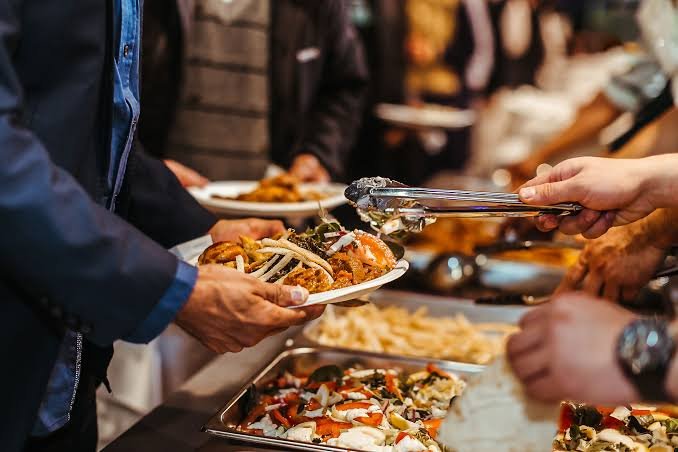
- Buffet service: A good fit for informal family events and celebrations. It needs enough table space, serving utensils, labels, and temperature control.
- Plated meals: Useful for formal dinners and seated programs. They require dependable timing and accurate dietary information for each guest.
- Boxed meals: Convenient for office meetings, training sessions, and events where guests need to eat on the move. Each box should be clearly labeled.
- Platters and shared trays: Well suited to receptions, open houses, and casual gatherings. Plan portions carefully because self-service can vary.
If food is served to the public at a special event, review Ottawa Public Health’s requirements for food vendors at special events before finalizing the service plan.
Pick Foods That Travel Well
Choose dishes that remain appealing between preparation and service. Wraps, sandwiches, baked pasta, roasted vegetables, grain salads, fruit trays, cut vegetables with dip, and small desserts are often practical choices for group events. Pack dressings, crunchy toppings, sauces, and delicate garnishes separately when possible.
Temperature management is especially important for food that will sit out. Government of Canada guidance recommends keeping cold food at or below 4°C and hot food at or above 60°C, so hosts should arrange coolers, ice, warming equipment, or insulated containers before delivery arrives.
Label Food Clearly
Labels help guests make quick decisions and reduce repeated questions. Each label should include the dish name, key ingredients, dietary notes, common allergens, and, when relevant, the spice level. Use large, easy-to-read lettering and place labels where guests can see them before they serve themselves.
Set out a separate spoon, tong, or serving utensil for every dish. Keep utensils with their intended platter throughout the event, particularly for foods intended for guests with dietary restrictions.
Keep the Menu on Budget
Budget for the full event cost, not only the food. Include beverages, delivery or pickup, taxes, gratuity, plates, cups, napkins, cutlery, warming supplies, serving trays, and containers for leftovers. This prevents a seemingly affordable menu from creating last-minute expenses.
To control spending, choose one premium item rather than several, use filling sides to support smaller portions of higher-cost proteins, avoid duplicate dishes, and ask about package sizes or minimum orders. Seasonal produce can also add color and freshness without needlessly complicating the menu.
Use a Simple Final Checklist
- Guest count and event times are confirmed.
- The menu suits the time of day and setting.
- Dietary needs have been collected and communicated.
- Food quantities, drinks, desserts, and serving style are finalized.
- Labels, utensils, plates, and napkins are ready.
- Delivery or pickup timing is confirmed.
- Food holding, storage, and leftover plans are in place.
Make the Menu Easy to Enjoy
The most memorable Ottawa gatherings make guests feel welcome, not overwhelmed by choices. Build a menu around reliable portions, familiar favorites, fresh additions, and clear information. When the food fits the event and the serving plan is simple, hosts can spend less time on logistics and more time enjoying the company of the people they invited.