

You buy a toothbrush, your child uses it for a while, and then one day brushing turns into a wrestling match. They gag a little, miss the back teeth, or chew the bristles more than they brush. You are not imagining it. Kids grow fast, and a toothbrush that fit well a few months ago can quietly become the wrong size, which can even contribute to dental emergencies in Richmond, IN.
That matters more than most parents expect. A brush that is too small may not clean enough surface area. One that is too big can bump the gums, trigger a gag reflex, and make brushing feel miserable. If brushing has started to feel harder than it should, the brush itself may be part of the problem. Knowing the signs can help you choose a better fit and make daily care easier for both of you.
A child’s toothbrush size affects comfort, coverage, and brushing habits
Children do not usually say, “This toothbrush head is too large for my mouth.” They show you in other ways. They turn their head away, rush through brushing, or leave plaque sitting near the gumline and back molars. The wrong brush size often hides behind what looks like poor cooperation.
Head size is the biggest issue. Kids need a toothbrush that can reach all surfaces without scraping the cheeks or jamming into the back of the mouth. Handle size matters too. If the handle is too bulky or too short, your child may struggle to control it. Good brushing depends on comfort, and comfort depends on fit.
Guidance from the MedlinePlus toothbrushing instructions supports using a soft brush that fits the child’s mouth well. That sounds simple, but fit changes as kids grow, lose baby teeth, and gain permanent teeth.
Five signs your child has outgrown their toothbrush
- The brush head looks crowded inside the mouth. If the toothbrush seems to fill the whole mouth or presses into the cheeks, it is likely too large. You may notice your child struggling to angle it around the molars or front teeth. Brushing should not look clumsy every single time.
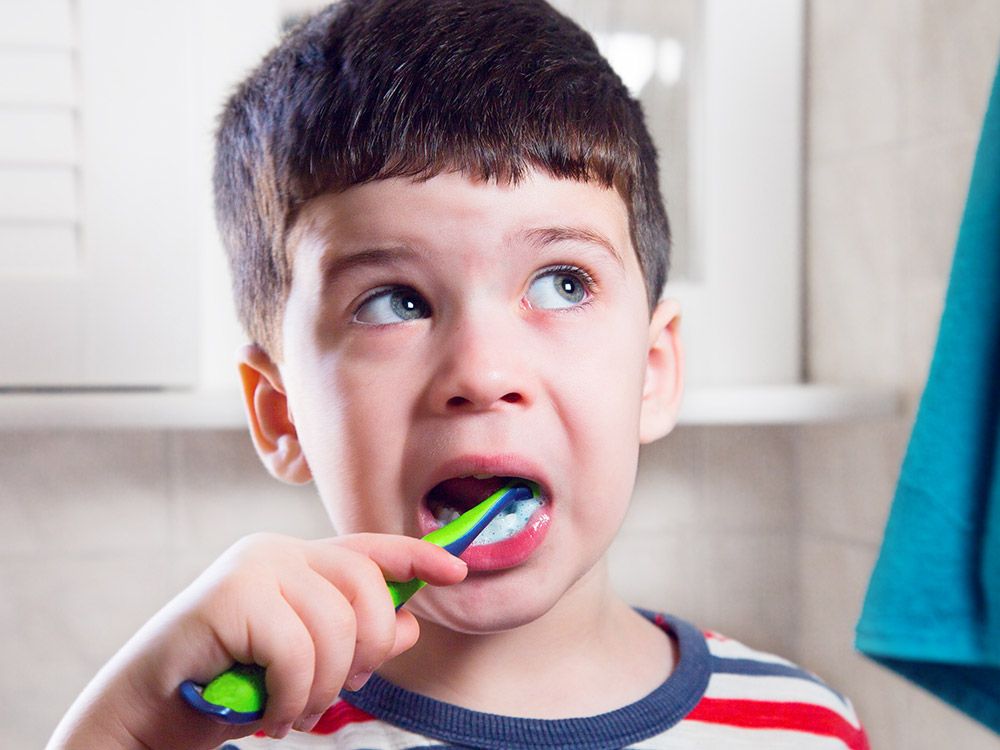
- Your child gags or pulls away during brushing. This is one of the clearest signs. A larger brush head can hit the soft tissues near the back of the mouth, especially when you are trying to reach the molars. Kids then start dreading brushing because the experience feels unpleasant, not because they are being difficult.
- The back teeth are getting missed. A brush can be too big to maneuver well, or too small to clean efficiently. If you keep seeing buildup near the molars or along the gumline, size may be part of the problem. The brushing technique from the University of Iowa toothbrushing protocol depends on controlled, gentle movement, and that gets harder when the brush no longer fits your child’s mouth.
- Your child’s grip looks awkward. Some children choke up too close to the brush head because the handle feels hard to manage. Others keep dropping it or brushing with very little control. A better-sized handle can improve how well they reach each area. This is easy to overlook when you are focused on getting through the routine.
- The toothbrush age label no longer matches your child’s stage. Age labels are not perfect, but they are useful. A brush meant for a toddler may be too small for a child with more permanent teeth coming in. A brush made for older kids may feel too bulky for a smaller mouth. If your child is between labels, the fit in the mouth matters more than the number on the package.
The wrong toothbrush size can lead to daily brushing battles
When the brush does not fit, kids often brush for less time, use too much pressure, or avoid certain spots. That can mean more plaque, sore gums, and more frustration at bedtime. You may start wondering if they need to “try harder,” when the real issue is that the tool is working against them.
This is where a child toothbrush too small or too big becomes more than a minor annoyance. It shapes habits. If brushing feels uncomfortable every day, children learn to resist it. If it feels manageable, they are more likely to cooperate and build the routine you want them to keep.
The CDC’s oral health tips for children stress steady home care because healthy habits early on support long term oral health. A toothbrush that fits is a small detail with a real effect.
Common toothbrush fit issues and what to do next
| What you notice | What it may mean | What to try |
| Gagging when reaching back teeth | Brush head is too large | Choose a smaller soft headed brush made for the next lower age range if needed |
| Plaque left on molars | Brush is hard to maneuver or too small for full coverage | Check head size and brushing angle, then move to a brush that fits the mouth better |
| Child grips brush awkwardly | Handle is not easy to control | Try a handle with a thicker, non slip grip suited to your child’s hand size |
| Brushing becomes a daily fight | Comfort issue may be getting ignored | Replace the brush and see if the routine becomes easier within a few days |
| Brush label seems far behind your child’s age or dental stage | They may have outgrown it | Compare the brush to the size of the mouth, not just the age printed on the package |
Simple steps to choose the right toothbrush for kids
Watch one full brushing session. Look at how the brush fits, not just whether your child finishes. If the head looks cramped, the handle seems hard to control, or the back teeth are not getting brushed well, replace it.
Match the brush to the mouth, not only the age label. Some children have smaller mouths at older ages, and some outgrow toddler brushes quickly. A right size toothbrush for kids should reach every tooth comfortably with soft bristles and a manageable handle.
Ask your family dentist at the next visit. If you are unsure whether the current brush is helping or hurting, bring it with you. A family dentist can spot fit problems fast and suggest a better option based on your child’s teeth, mouth size, and brushing habits.
Better fit usually means better brushing
If brushing has gotten tense, messy, or oddly difficult, the toothbrush may be the problem, not your child. Watching for these signs can help you fix a small issue before it turns into a stubborn daily struggle. The goal is not a perfect routine. It is a brush that fits well enough for your child to clean comfortably and consistently.
When you are choosing a new brush, think beyond the package and focus on fit, comfort, and control. That is often the easiest way to improve kids toothbrush size concerns and support better brushing at home. If you want more guidance, talk with a family dentist at your child’s next checkup.