


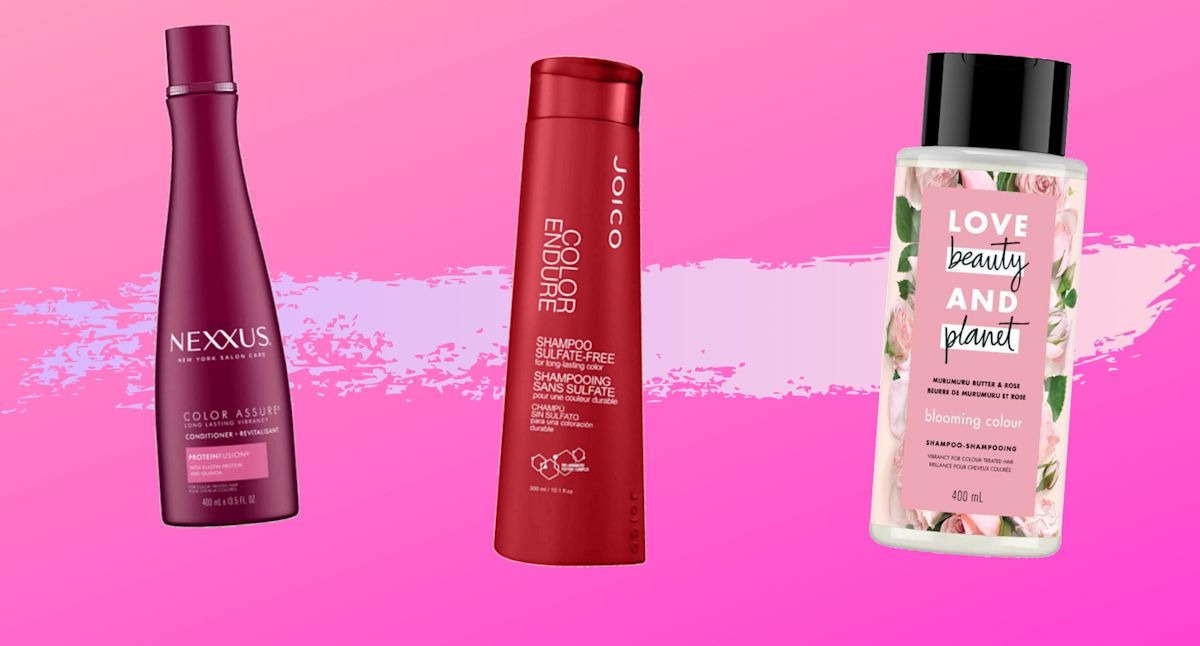
You’ve probably bought a bottle labeled “color safe” and watched your color fade anyway within three weeks. That’s not bad luck. It’s a label doing exactly what labels are allowed to do, say almost nothing, while looking like a promise.
“Color safe” has no regulated definition anywhere. It’s marketing language, not a certification, which means the real work starts once you stop trusting the front of the bottle.
The Ingredient List Tells You More Than the Claim Does
Skip the front label entirely. Go straight to ingredients, that’s where the actual answer lives.
Sulfates are the obvious culprit. Aggressive cleansers, they strip pigment right along with dirt and oil. Here’s what people miss though: plenty of shampoos marketed as color safe still contain sulfates, just in reduced amounts. Reduced isn’t absent. Sodium lauryl sulfate or sodium laureth sulfate sitting near the top of an ingredient list means color loss is still happening. Just slower.
Alcohol gets less attention but does similar damage in a different way. Certain drying alcohols lift the cuticle. Lifted cuticle leaks color, same as an open door leaks heat in winter. Different mechanism, same annoying result.
Checking these two things alone eliminates a huge chunk of what’s marketed as protective but isn’t. This is roughly where the best color safe shampoo options start separating from ones just borrowing the phrase.
Not All Color Needs the Same Level of Defense
A rich, dramatic color and a soft, subtle one aren’t fighting the same battle. Treating them like they are wastes either money or protection, sometimes both.
Bold or dark shades, deep brunettes, vivid fashion colors, anything with heavy pigment, fade fast and fade obviously. That calls for a formula built around pigment retention specifically, not a generic “gentle” shampoo that happens to carry the color safe label.
Lighter, more natural color has more room for error. A mid-tier color safe shampoo usually gets the job done here. Less dramatic pigment to lose in the first place.
pH Is the Variable Almost Nobody Checks
Cuticles stay closed in a mildly acidic environment, somewhere around pH 4.5 to 5.5. Push toward alkaline and the cuticle opens up. Color leaks out faster once that happens, and it stops mattering how good the rest of the formula is.
Most brands skip pH on the label. A handful mention it, usually buried in fine print or tucked away on their website somewhere. Worth the extra few minutes, honestly, because a shampoo that gets everything else right but misses on pH still underdelivers.
A Word on Water, Since Nobody Warns You About It
This one gets overlooked constantly. Hard water, high mineral content, common in a lot of the US, works against color safe shampoo before the shampoo even gets a chance.
Minerals build up on the hair shaft and interfere with how evenly product distributes, which means even a well-formulated color safe shampoo underperforms in hard water compared to how it performs in soft water. Some people blame the shampoo when the actual issue is what’s coming out of the tap. Worth checking your local water hardness before assuming the product failed.
Reviews Are Mostly Noise. Not Entirely, Though
Star ratings on color safe shampoo are close to useless standing alone. “Worked great” from someone with a totally different color, hair type, and timeline than yours tells you nothing you can actually use.
What helps more: finding reviews from people managing a similar color category, warm tones, cool tones, vivid, natural, at roughly the same point post-color as you. Someone two weeks out from a box dye and someone two months out from professional balayage aren’t giving comparable feedback. Even if they’re rating the identical bottle.
Give It Real Time Before You Judge Anything
One wash tells you nothing. Color fade happens gradually, so judging a shampoo after a single use is a bit like judging a whole diet after one meal.
Two to three weeks is fair. Photo on day one, same lighting each time, then again at week two and week three. Side-by-side comparison removes the guesswork of “does this look different” and gives you something you can actually point to.
Slower fade, less dullness than whatever you used before, that’s a real signal worth trusting. Nothing visibly different after three weeks? Doesn’t matter what it cost. The formula just isn’t doing what the label claims.
Conclusion
Three checks, really. What’s missing from the ingredient list. Whether the formula matches your actual color intensity. Whether it holds up over a genuine trial period instead of one rushed wash.
Most people skip all three and end up back at the same shelf a month later. Same problem. Different bottle promising the exact same thing the last one did, and somehow that keeps working on people.
Finding the best color safe shampoo isn’t complicated once you know what to actually look for. It’s just rarely explained this plainly.