


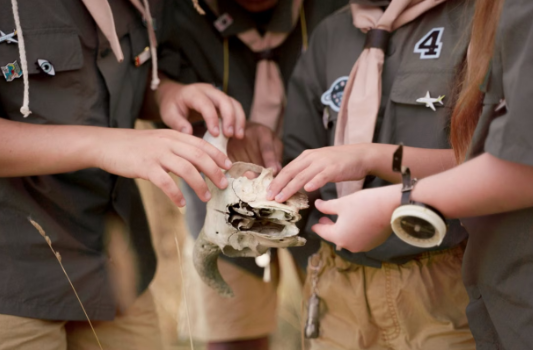
A successful educational field trip begins long before students board the bus. The right destination can reinforce classroom lessons, spark curiosity, and help students connect academic concepts to the real world. The wrong one, however, can feel more like a day away from school than a meaningful learning experience.
That’s why choosing a field trip requires more than finding an interesting place to visit. Teachers and school administrators need experiences that align with learning objectives, keep students actively engaged, and provide opportunities for continued learning after the visit.
As schools plan educational field trips in Orlando, many are looking beyond traditional tours to experiences that encourage students to ask questions, solve problems, and engage in hands-on learning. A well-planned field trip doesn’t replace classroom instruction; it extends it.
What Makes an Educational Field Trip Truly Educational?
Not every field trip offers the same educational value. While many destinations provide enjoyable experiences, the most effective ones are intentionally designed to support learning outcomes rather than simply entertain students.
A high-quality educational field trip should:
- Reinforce classroom concepts through real-world experiences.
- Encourage students to actively participate instead of passively observe.
- Inspire curiosity through inquiry and exploration.
- Support critical thinking and problem-solving.
- Provide opportunities for discussion and reflection after the visit.
When these elements come together, students are more likely to remember what they learned and apply that knowledge back in the classroom.
1. Choose a Field Trip That Aligns With Your Classroom Learning Goals
The first step is identifying how the field trip supports what students are already learning. Rather than selecting a destination simply because it’s popular, begin with your curriculum objectives and work backward.
Ask yourself:
- What concepts should students better understand after the visit?
- Will this experience introduce a new topic or reinforce an existing one?
- Does it support state or national learning standards?
- Can students make meaningful connections between classroom lessons and what they’ll experience during the trip?
For example, if students are learning about ecosystems, engineering, physics, or space science, choosing an experience that allows them to observe these concepts in action creates a stronger connection than reading about them in a textbook alone.
This thoughtful planning is one reason many educators researching school field trips Orlando prioritize destinations that combine curriculum-aligned programming with interactive learning opportunities.
2. Prioritize Hands-On Learning Over Passive Observation
Students learn best when they actively participate in the experience rather than simply walk through exhibits or listen to presentations.
Hands-on learning encourages students to investigate, experiment, ask questions, and collaborate with classmates. These experiences often make abstract classroom concepts easier to understand because students can see science, technology, engineering, and mathematics in action.
The difference is clear:
| Passive Learning Experiences | Interactive Learning Experiences |
| Students mainly observe displays | Students investigate and participate |
| Information is primarily presented | Students discover concepts through exploration |
| Limited discussion and interaction | Collaboration and problem-solving are encouraged |
| Learning often ends with the visit | Experiences naturally lead to classroom discussions |
When exploring science field trip ideas, look for destinations that offer workshops, demonstrations, guided investigations, or hands-on activities rather than experiences built entirely around observation. These interactive opportunities help students stay engaged throughout the visit while encouraging curiosity that continues long after they return to school.
3. Look Beyond the Exhibits When Comparing Field Trip Venues
An engaging exhibit is important, but it’s only one part of a successful educational field trip. The overall learning experience depends on how well a venue supports both students and educators before, during, and after the visit.
As you compare options, consider questions such as:
- Are programs designed for specific grade levels?
- Are trained educators or facilitators available?
- Does the venue provide teacher resources or lesson materials?
- Are indoor spaces available in case of bad weather?
- Is the venue accessible and able to accommodate diverse learning needs?
- Can the visit be adapted to support your current unit of study?
Schools looking for an Orlando field trip for students often find that venues offering structured educational programs provide greater value than locations where students simply explore on their own. Guided learning experiences help students stay focused while making it easier for teachers to connect the visit back to classroom instruction.
4. Plan Learning Before and After the Field Trip
A field trip has the greatest educational impact when it’s part of a broader learning experience rather than a standalone event.
Preparing students before the visit helps build excitement and gives them the background knowledge they’ll need to fully engage with what they see. After returning to school, reflection activities reinforce key concepts and encourage students to apply what they’ve learned.
Simple ways to extend learning include:
- Introducing key vocabulary before the trip.
- Asking students to prepare questions they want answered.
- Using observation journals during the visit.
- Holding classroom discussions afterward.
- Assigning reflection essays, presentations, or creative projects that connect the experience to current lessons.
This approach transforms a single day outside the classroom into an experience that supports learning for weeks afterward.
Quick Checklist: What Should Teachers Ask Before Booking a Field Trip?
Before making a final decision, use this checklist to evaluate whether a destination supports your educational goals.
✔ Does the experience align with your curriculum?
✔ Are students encouraged to participate through hands-on activities?
✔ Are programs appropriate for your students’ grade level?
✔ Does the venue provide guided educational experiences?
✔ Are teacher resources available before or after the visit?
✔ Is the venue accessible, safe, and easy to navigate for school groups?
✔ Will students leave with knowledge they can build on back in the classroom?
Taking time to answer these questions helps ensure your chosen destination supports meaningful learning rather than simply providing a day away from school.
Conclusion
The most successful educational field trips don’t take students away from learning—they bring learning to life.
By choosing experiences that align with classroom objectives, encourage active participation, and extend beyond the day of the visit, educators can create opportunities that inspire curiosity and deepen understanding. Whether you’re researching educational field trips in Orlando, comparing school field trips Orlando, exploring science field trip ideas, or planning an Orlando field trip for students, the goal remains the same: selecting an experience that helps students make lasting connections between what they learn in the classroom and the world around them.
When thoughtfully planned, an educational field trip becomes more than a memorable day out. It becomes a meaningful part of every student’s learning journey.