

Oklahoma City properties face a unique mix of weather extremes, from scorching summers to icy winters, and that takes a toll on outdoor surfaces. If you’ve ever watched a wooden deck warp or a gravel patch turn into a muddy mess after a storm, you already understand why so many homeowners are switching to concrete. A well-built concrete pad offers a level, stable surface that stands up to whatever Oklahoma throws at it, whether that’s supporting a new shed, hosting a backyard grill station, or providing a solid parking spot for a boat or RV.
This post walks through what makes concrete pads such a smart investment, the situations where they shine, and what to expect when you’re ready to get one installed at your home or business.
What Makes a Concrete Pad Different from Other Outdoor Surfaces?
Gravel shifts. Wood rots. Pavers can heave and crack when the ground freezes and thaws. Concrete, by contrast, cures into a single solid slab that resists these problems far better than most alternatives. Once poured and properly cured, a concrete pad creates a flat, even surface that won’t sink unevenly or grow weeds through the cracks.
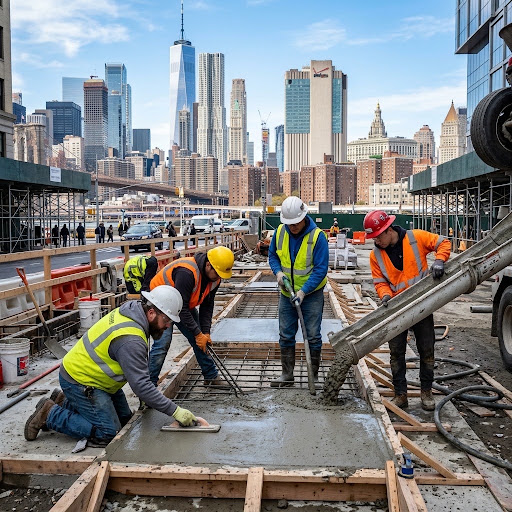
That durability comes from the way concrete is mixed and reinforced. A properly installed pad includes a compacted base layer, often gravel, that allows for drainage and prevents shifting. Steel rebar or wire mesh reinforcement adds tensile strength, helping the slab resist cracking under heavy loads or temperature swings. The result is a surface built to last for decades with minimal upkeep.
Where Are Concrete Pads Most Commonly Used?
Concrete pads serve a surprising number of purposes around a typical Oklahoma City property. Some of the most popular applications include:
- Shed and storage building foundations — A concrete pad keeps sheds level and prevents moisture from wicking up into wooden structures.
- Air conditioning unit bases — HVAC systems need a stable, vibration-resistant surface, and concrete fits the bill perfectly.
- RV and boat parking — A dedicated pad keeps heavy vehicles from sinking into soft ground during rainy seasons.
- Patios and outdoor living spaces — Many homeowners choose a concrete pad as the starting point for a future outdoor kitchen or fire pit area.
- Dumpster and equipment pads — Businesses often need a durable, load-bearing surface for waste containers or heavy machinery.
Each of these use cases benefits from the same core advantages: strength, stability, and long-term reliability.
How Long Does a Concrete Pad Actually Last?
One of the biggest questions homeowners ask before committing to a project is how long their investment will hold up. When installed correctly, a concrete pad can last 25 to 30 years or more, even in a climate like Oklahoma’s that swings between freezing winters and blistering summers. Factors that influence lifespan include the quality of the base preparation, the concrete mix used, and how well the slab is sealed against moisture intrusion.
Regular maintenance, like sealing the surface every few years and addressing small cracks before they spread, can extend that lifespan even further. Compared to the recurring costs of replacing gravel, restaining wood, or resetting pavers, a concrete pad often proves to be the more economical choice over time.
What Should You Expect During the Installation Process?
Installing a concrete pad isn’t a weekend DIY project for most homeowners, and understanding the process helps set realistic expectations. It typically involves a few key stages:
- Site evaluation and layout — Measuring the area and marking boundaries based on the pad’s intended use.
- Excavation and grading — Removing topsoil and grading the site to ensure proper drainage away from the slab.
- Base preparation — Compacting a gravel base to create a stable foundation and reduce the risk of settling.
- Reinforcement placement — Laying rebar or wire mesh to strengthen the slab against cracking.
- Pouring and finishing — Pouring the concrete, leveling it, and applying a finish suited to the pad’s purpose, whether smooth, broomed, or textured.
- Curing — Allowing the concrete adequate time, typically several days to a few weeks, to reach full strength before heavy use.
Skipping or rushing any of these steps can lead to premature cracking, uneven settling, or drainage problems down the road, which is why working with an experienced installer matters.
Choosing the Right Team for Your Concrete Project
Reliable, long-lasting outdoor surfaces start with getting your Concrete Pads installed by a team that understands local soil conditions, weather patterns, and building requirements. Oklahoma’s clay-heavy soil and seasonal temperature shifts demand a specific approach to base preparation and reinforcement that not every contractor gets right. A pad that looks fine on the surface can develop serious problems within a year or two if the groundwork wasn’t done properly.
Oklahoma City Concrete Pros LLC has built a reputation for getting these details right the first time. From evaluating soil conditions to selecting the appropriate concrete mix and reinforcement strategy, the team focuses on solutions built to handle everything from summer heat waves to winter freezes. Homeowners and business owners alike benefit from a straightforward process, transparent pricing, and workmanship backed by genuine expertise in local conditions.
Ready to Build a Foundation That Lasts?
A concrete pad might seem like a small addition to a property, but its impact on functionality and long-term value is significant. Whether you’re preparing a spot for a new shed, upgrading your outdoor living space, or creating a stable base for heavy equipment, investing in quality installation pays off for decades.
If you’re considering adding a concrete pad to your Oklahoma City property, reaching out to a team with proven local experience is the best first step toward a surface that performs well for years to come.