

The actual cost to ship a car is dictated by carrier efficiency. Most auto transporters operate on fixed routes along major interstates like I-10 or I-95 to keep their trailers full and moving.
When you request a pickup in a remote area, you are asking a driver to deviate from these high-traffic corridors. This detour burns extra fuel and wastes hours of drive time for just one vehicle, which naturally increases the average cost of shipping a car to another state.
The economics are simple: carriers lose money when they aren’t on the main highway. To cover the “deadhead” miles—driving empty or out of the way—they pass those operational expenses directly to you.
Several specific factors drive up the cost of shipping car cross country in rural zones:
- Detour Mileage: Every mile a driver moves away from a primary transport hub adds to your total bill.
- Low Availability: Fewer carriers frequent rural zip codes, meaning you often have to wait for a specific truck to be “in the neighborhood.”
- Reduced Competition: In cities, dozens of carriers bid on a single job. In rural areas, the lack of competition allows the few available drivers to set higher prices.
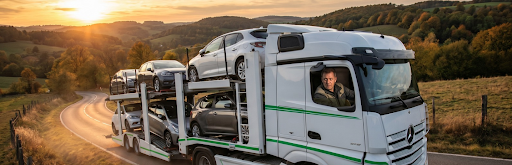
- Infrastructure Hurdles: Massive 80-foot multi-car carriers often cannot navigate narrow, winding rural roads or low-hanging trees, sometimes requiring a smaller relay vehicle to move the car to a wider road.
- Scheduling Delays: Since there is less carrier traffic, it takes longer to find a driver willing to make the trek, which can complicate your timeline.
Car carriers typically charge between $1.50 and $3.00 per mile for rural detours, whereas standard interstate routes often stay between $0.60 and $1.00 per mile.
Understanding these logistics is key to managing your expectations. If you are shipping a specialty vehicle, you might want to look into how classic car transport keeps collector vehicles safe even when navigating tricky regional pickups.
Before booking, it is always wise to verify a carrier’s credentials. You can check their FMCSA Company Data to ensure they are authorized to operate in your specific region.
How Rural Pricing Compares Across Different Shipping Destinations
The premium you pay for a rural pickup isn’t a flat fee. It fluctuates based on where your vehicle is headed and the total distance the carrier has to travel.
If you are shipping a car from a remote ranch in Wyoming, the logistical hurdle is significantly different than moving a vehicle from a farmhouse in upstate New York.
Continental US — Cross-Country and State-to-State Routes
C:\Users\iamka\OneDrive\Desktop\TV AI Images\Continental US
On long-haul domestic routes, the rural surcharge is often easier to swallow because it represents a smaller percentage of the total cost of shipping car cross country.
For instance, when calculating the cost to ship a car 2000 miles, a $300 detour fee is a minor fraction of a $1,500 bill. However, on a short state-to-state trip, that same fee can increase your total price by 40%.
| Route Type | Urban Pickup Avg. Cost | Rural Pickup Avg. Cost | Typical Premium |
| Cross-country (~2,000 miles) | $1,000–$1,400 | $1,300–$1,800 | $200–$400 |
| State-to-state (~500 miles) | $500–$800 | $700–$1,100 | $150–$300 |
| Regional (~200 miles) | $300–$500 | $450–$700 | $100–$200 |
Whether you are looking at the average cost of shipping a car to another state or a local move, carriers prioritize routes that keep their trailers full. Understanding how a car carrier truck handles multi-vehicle transport helps explain why they avoid leaving the main line for a single car.
The cost to ship a car to another state will always be lower if you can meet the driver near a major highway exit rather than making them navigate narrow country lanes.
Hawaii, Alaska, and International — Where Rural Adds to an Already Complex Cost
C:\Users\iamka\OneDrive\Desktop\TV AI Images\Hawaii, Alaska, and International
Shipping to non-contiguous states or overseas introduces port logistics, customs, and specialized scheduling that already drive up the base price.
When you factor in the cost of shipping car to hawaii or the cost of shipping a car to alaska, you are paying for a multi-stage journey involving both trucks and ships. A rural pickup adds another layer of complexity to an already expensive process.
| Destination | Base Shipping Cost (Urban) | Rural Pickup Addition | Notes |
| Hawaii (from CA) | $1,000–$1,500 | $150–$350 | Port of Long Beach or Oakland most common |
| Hawaii (from other states) | $1,200–$2,000 | $200–$500 | Depends on distance to nearest port |
| Alaska | $1,000–$2,500 | $200–$600 | Limited carriers, seasonal constraints |
| International (overseas) | $1,500–$5,000+ | $200–$600 | Varies by country, customs, and port access |
If you are curious about how much does it cost to ship car to hawaii, you must consider the “inland” leg of the trip. The car shipping to hawaii cost rises sharply if the vehicle starts hundreds of miles from the nearest port city.
The same applies to the shipping car to hawaii cost when moving in reverse; for example, the cost of shipping car from hawaii to california usually settles once the car hits the mainland port, but rural delivery from there adds up quickly.
Pro Tip: The cost of shipping a car to hawaii from california averages $1,000–$1,500 from port cities. A rural pickup in inland California can add $300+ before the car even touches the water.
For those moving even further, the how much does it cost to ship a car overseas or how much does it cost to ship a car internationally question depends heavily on port access. The shipping a car overseas cost and car shipping overseas cost are always most manageable when you reduce the ground transport distance.
Even a shipping car from usa to canada cost can vary wildly based on how far the pickup point is from the border. Always verify your carrier’s legal standing via the FMCSA before committing to these high-stakes routes.