

Ignition interlock devices are standard for us to work with. In every case, however, there are typically a few ‘friction points’ in any given monitoring program that can be identified ahead of time to set appropriate expectations with the client before the appointment. The managing of unmet expectations after the appointment is not something that can be easily fixed for the client.
What the installation appointment actually involves
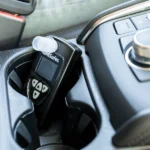
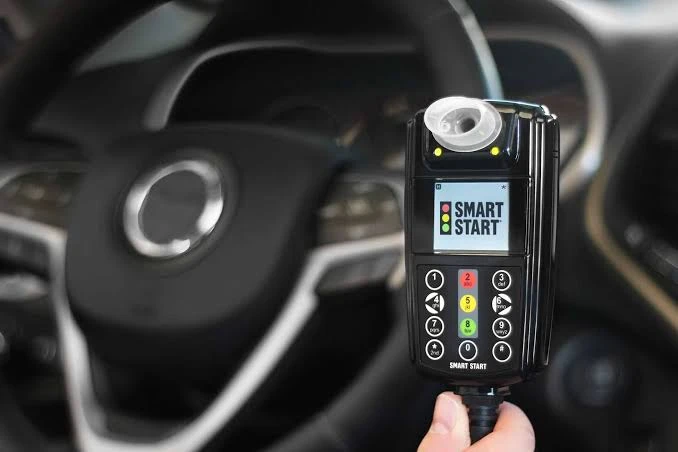
90 minutes to 3 hours per car for the installation of a breathalyzer device in a car in a repair shop. The handheld part of the device is mounted on the inside of the driver’s side door or on the dashboard within easy reach of the driver. The control module is wired into the ignition circuit, starter circuit and a constant power source. Some push-button start systems, hybrids and even some aftermarket remote start systems can add time to the installation as well as possibly require a separate relay or even manufacturer-specific wiring harness for some of the systems.
Vehicle and paperwork readiness
There are two categories of avoidable delays. The first is related to the vehicle’s condition. For various reasons, a vehicle may not pass an install. This can be due to weak batteries, existing check engine lights, previous wiring damage to the vehicle, etc. The second category of delays is related to documentation. In most jurisdictions, the client is required to provide proof of ownership as well as a notarized authorization if the client is not the registered owner of the vehicle.
- Registration and insurance matching the vehicle presented
- Written owner consent if the driver is not on the title
- Any order, notice, or program enrollment paperwork the state monitoring authority requires
- A functioning battery and no active starting or charging faults
Calibration, training, and the first weeks of use
Devices are typically left at the shop in a certified wet bath or dry gas standard calibration. This information is recorded to the device serial number. This information along with information as to how to take a test (procedural violations) is the best protection against an early monitoring violation for a client. Drivers who want that handled properly from day one are better off booking breathalyzer device installation in Redlands with a shop that documents each calibration against the serial number.
Where early failures come from
In general, there are many things that cause false positive readings. In the general sense, mouthwash, energy drinks, food in the mouth or between the teeth can cause a positive reading. Waiting 5 minutes and then rinsing with water can prevent these types of positive readings. Cold weather can affect the sample sensors in the breathalyzer device and cause the device to take longer to warm up. In terms of the ignition interlock device, as it is designed to be used while driving, it must activate for a rolling retest while the driver is operating the vehicle. A failure to complete a rolling retest while driving (i.e. Ignored prompts for example while merging with traffic and then the device activating to shut off the engine of the vehicle of the offender) results in a violation.
Service intervals and what each visit produces
On an average monitoring program, we visit the monitored person’s location every 30 to 60 days. On these visits, we download the event log from the breath test device in the monitored person’s car. We then re-calibrate the sample sensor, check the tamper indicators on the wiring and re-set the lockout countdown.
| Stage | Typical time in the bay | What it produces | Common failure point |
| Installation | 90 minutes to 3 hours | Install certificate, calibration record, client training log | Unsupported vehicle or missing owner consent |
| Monitoring visit | 20 to 45 minutes | Downloaded event log, fresh calibration, extended lockout timer | Appointment missed inside the grace period |
| Violation reset | 15 to 30 minutes | Reset code and an event report to the authority | Client attempts a reset without a service visit |
| Removal | 45 to 90 minutes | Removal certificate and final compliance report | Removal performed before the order term ends |
How violations get classified
The device monitors and records many events in addition to failed tests. These include instances of intermittent power failure, attempts to bypass interlock system circuits, skipped rolling retest events, out-of-range readings and many others. Each event is assigned a code and reported to the monitoring authority in a manner prescribed by that jurisdiction.
Choosing a provider that will hold up under review
What really differs between the monitoring providers listed on a state’s approved list of monitoring providers is the provider’s capacity, the geographical area(s) in which the monitoring provider can offer monitoring services, and the provider’s record-keeping discipline.
- Confirm the device model is approved in the jurisdiction that issued the order, not merely somewhere nearby
- Ask how quickly a lockout can be cleared, including after hours and on weekends
- Check whether service is available at multiple locations, which matters for clients who relocate or commute long distances
- Ask what happens if the client sells the vehicle mid-term, and who handles the transfer paperwork
- Verify that installation and removal certificates are transmitted directly to the monitoring authority
Practical scheduling considerations
Typically, we schedule an installation of a breathalyzer interlock device 3-5 days in advance for the Redlands CA area. The install date is best set as early as possible so we have time to inspect the vehicle to ensure that no problems exist which could cause delays or problems meeting the compliance requirements for the client.