

Introduction to Kitchen Updates
The kitchen remodeling is often regarded as the heart of the home, serving not only as a space for meal preparation but also as a gathering place for family and friends. While a full kitchen remodel can yield impressive results, it often comes with significant time, cost, and disruption to daily life. Fortunately, homeowners can enhance both the functionality and aesthetic appeal of their kitchens through smaller, more manageable updates. Kitchen updates can vary in scale and scope, ranging from simple changes such as repainting cabinets to more intricate modifications like updating countertops or installing new fixtures. These alterations are beneficial as they provide an opportunity to refresh the space without the need for a complete overhaul. Often, the impact of these small changes can be profound, and they can lead to a more inviting and efficient kitchen environment.
Moreover, an updated kitchen can significantly enhance a home’s value—an important consideration for those contemplating future sales. Buyers often prioritize kitchens when assessing a property, making it crucial for homeowners to keep this space up-to-date with modern trends and practical designs. Simple adjustments like upgrading hardware or incorporating open shelving can transform a dated kitchen into a more contemporary and appealing space.
By embracing the concept of kitchen updates, homeowners can achieve a refreshed look and improved functionality with relatively low investment and effort. Whether it’s choosing new color palettes or refreshing existing appliances, there are myriad ways to tailor these updates to fit individual tastes and lifestyles. Ultimately, small adjustments can create a notable difference, enhancing the kitchen’s overall charm and usability.
Decluttering and Organization
Creating an efficient and functional kitchen requires an emphasis on decluttering and organization. By removing unnecessary items, you not only enhance the visual appeal of the space but also improve your daily cooking experience. Start by conducting a thorough inventory of your kitchen. Identify items that are rarely used or no longer needed. Donating or discarding these items can free up valuable space, making your kitchen feel larger and more inviting.
Once clutter has been minimized, consider implementing effective storage solutions that can redefine your kitchen’s usability. Drawer organizers are an excellent option for keeping utensils, cutlery, and small kitchen gadgets neatly arranged. With dedicated spaces for each item, locating what you need becomes a faster and more efficient process.
Shelf risers are another practical solution, especially if your kitchen has limited cabinet space. By elevating frequently used items on shelves, you can create additional layers of storage. This approach allows you to maximize vertical space and ensures that all items are easily accessible without overwhelming your shelves.
Additionally, decorative storage containers can enhance both functionality and aesthetics in your kitchen. By utilizing jars or bins to store dry goods, spices, and cooking supplies, you can keep these essentials organized while adding a touch of style. Opt for clear containers to maintain visibility, or choose decorative options that complement your kitchen decor.
Adopting these strategies will not only streamline your organizational efforts but will also contribute to a more enjoyable cooking environment. A well-organized kitchen promotes efficiency, making meal preparation a less stressful endeavor. As such, investing time in decluttering and organization can yield significant long-term benefits, enhancing both form and function in your culinary space.
Painting and Color Scheming
When considering easy updates to kitchen spaces, the transformative power of paint cannot be overlooked. The choice of colors plays a pivotal role in establishing the ambiance of the kitchen. Bright, light hues can create an illusion of spaciousness and cleanliness, while darker shades can impart a sense of coziness and sophistication. When selecting colors, it is crucial to consider natural light and the cohesiveness of the palette with adjoining rooms. Neutral colors such as whites, grays, and creams tend to work exceedingly well in kitchens, complementing a variety of styles and fixtures.
One of the most impactful painting projects in a kitchen involves the cabinets. Repainting kitchen cabinets can drastically change the overall aesthetic. A high-quality semi-gloss or satin finish is recommended for cabinets, as these finishes not only offer durability but are also easy to clean, thus standing up to the various challenges of a kitchen environment. When undertaking this task, proper preparation is key: thoroughly clean the surfaces, use a suitable primer, and apply multiple thin coats of paint to achieve a smooth, professional result.
Additionally, accent walls can be a stunning way to introduce color and personality into a space. A well-placed accent wall can add depth and character, breaking up the monotony often found in kitchen designs. Consider using a bold color or a patterned wallpaper that resonates with the overall theme of the kitchen. Regardless of the specific updates you choose, it is essential to select paints that are resistant to stains and moisture. Utilizing paint specifically formulated for kitchen environments will ensure longevity and maintain an inviting aesthetic.
Updating Fixtures and Hardware
One of the most effective ways to modernize a kitchen without undergoing a full remodel is through the update of fixtures and hardware. Replacing items like faucets, cabinet handles, and light fixtures can have a significant impact on the overall aesthetic of the space. For instance, an outdated faucet can detract from the beauty of an otherwise well-designed kitchen. By selecting a more contemporary faucet, homeowners can enhance both functionality and style.
When choosing a new faucet, consider styles that align with your existing decor. Options range from sleek, minimalist designs to more ornate, vintage styles. A pull-down faucet not only adds a modern touch but also increases the convenience of food preparation and dishwashing. Be sure to select a finish that complements other metal features in the kitchen, such as cabinet handles and appliances, to create a cohesive look.
Cabinet handles and knobs also play a crucial role in the kitchen’s aesthetic. Changing these small but significant details can refresh the look of cabinetry. When selecting new cabinet hardware, consider materials like brushed nickel, brass, or matte black finishes, which have become increasingly popular. These materials can bring a stylish yet timeless appeal to kitchen cabinets, influencing the overall ambiance.
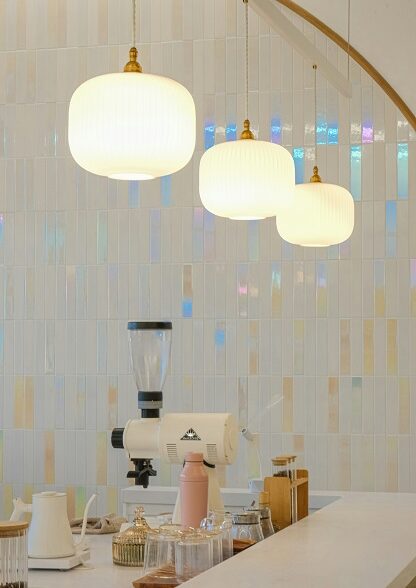
Another important aspect of kitchen ambiance is lighting. Upgrading light fixtures can improve both functionality and visual appeal. Pendant lights over an island, chandeliers above dining areas, and under-cabinet lighting provide layered lighting, enhancing the space’s usability and charm. Opting for fixtures that tie in with the kitchen’s color scheme and theme will ensure a harmonious environment.
In conclusion, updating fixtures and hardware is a practical approach to breathe new life into any kitchen. By carefully selecting faucets, cabinet handles, and light fixtures that align with the existing decor, homeowners can achieve a modernized, refreshed kitchen atmosphere without the need for extensive renovations.
Backsplash Refresh
A kitchen backsplash serves as both a functional and aesthetic element in the heart of the home. Updating your kitchen backsplash can enhance its overall look without the need for a full remodel. Various materials and styles are highly popular today, allowing homeowners to choose options that best fit their design preferences and budgets.
Tile remains a classic choice for kitchen backsplashes, offering versatility in terms of color, pattern, and texture. Subway tiles, for example, provide a timeless appearance, often paired with a contrasting grout to add visual interest. For those looking for something more eclectic, colored or patterned ceramic tiles can create a striking focal point. Additionally, mosaic tiles can add an artistic touch, allowing for personalized designs and styles.
In recent years, peel-and-stick backsplash options have gained popularity due to their ease of installation and affordability. These adhesive-backed panels come in various materials, including vinyl, metal, and glass, and can be a perfect solution for renters or those wishing to avoid the hassle of traditional tile installation. The innovative designs available can mimic the look of classic tiles while offering the advantage of simpler application and removal.
For a more unconventional approach, painting a backsplash can prove to be an efficient and cost-effective option. Chalkboard paint, for instance, allows for creativity, enabling homeowners to write messages or draw images directly on their backsplash. Other paint options can effectively transform the backsplash area, with bold colors or stencils adding a unique flair to the space.
Regardless of the choice of material, proper installation is key to achieving a professional finish. When undertaking a DIY backsplash project, it’s essential to prepare the surface adequately and use the proper tools. With a steady hand and attention to detail, anyone can refresh their kitchen’s look with a stylish backsplash that reflects their personality and taste.
Enhancing Lighting
Lighting plays an essential role in creating an inviting and functional kitchen environment. Proper kitchen lighting enhances visibility, highlights key features, and sets the overall mood of the space. To achieve a well-lit kitchen, it is crucial to incorporate a mix of different lighting types, primarily task, ambient, and accent lighting.
Task lighting is designed to illuminate specific areas where activities such as chopping vegetables or reading recipes occur. Under-cabinet lighting is an effective way to enhance task areas, providing direct light onto work surfaces and eliminating shadows. Installing LED strips under cabinets or adding pendant lights above islands can create a bright, focused illumination that enhances productivity.
Ambient lighting serves as the foundation of your kitchen’s overall lighting and generally consists of overhead fixtures, like ceiling-mounted lights or chandeliers. This type of lighting creates a warm and welcoming atmosphere. When selecting ambient fixtures, consider the dimensions of your kitchen. A larger space may benefit from a chandelier or multiple light sources, while smaller areas might require a single fixture that offers broad coverage.
Accent lighting is optimally used to highlight prominent features in the kitchen, such as artwork or decorative shelving. Floor lamps or wall-mounted sconces can add depth and create visual interest to the space. By incorporating accent lighting, one can enhance the aesthetic appeal and draw attention to specific elements within the kitchen.
Layering these lighting types is key to achieving the desired effect. Combine ambient, task, and accent lighting to create a versatile and functional kitchen environment. By doing so, you can significantly improve the mood and practicality of the kitchen without undergoing a full remodel.
Incorporating Smart Technology
In the ever-evolving landscape of modern kitchens, integrating smart technology has emerged as a transformative trend that enhances both functionality and aesthetic appeal. Smart appliances have gained significant traction among homeowners, offering features that streamline cooking processes and improve energy efficiency. These innovative devices enable users to control and monitor their kitchen activities through smartphone applications, granting unparalleled convenience.
Among the latest advancements, smart refrigerators stand out for their multifunctionality. Equipped with touch screens and interior cameras, these appliances allow users to check inventory and plan meals effectively, reducing food waste. Furthermore, smart ovens with Wi-Fi connectivity offer remote access to cooking settings, enabling users to preheat or adjust temperatures while managing other tasks.
Voice-activated gadgets represent another significant leap in smart kitchen technology. Devices such as voice-controlled assistants facilitate hands-free operation, allowing users to access recipes, set timers, and control lighting with simple voice commands. This not only enhances the cooking experience but also promotes safety by minimizing distractions while handling hot or sharp kitchen tools.
Energy-efficient smart technology is also a key aspect of modern kitchen updates. Smart plugs and lighting systems can be programmed to reduce energy consumption, thereby lowering utility bills and promoting sustainable practices. These products can be synced with smart home systems to automate energy use according to daily routines, further enhancing user efficiency.
By incorporating these advanced technologies into the kitchen, homeowners can achieve a seamless blend of convenience, efficiency, and modern design. The integration of smart appliances and gadgets not only improves functionality but also adds a contemporary touch to the kitchen environment, making it a pleasure to cook and entertain.
Accessorizing with Décor
The kitchen, often considered the heart of the home, can greatly benefit from thoughtful accessorizing that enhances its aesthetic appeal. By incorporating various decorative items such as rugs, curtains, wall art, and plants, homeowners can create an inviting and cohesive atmosphere without the need for a full remodel. These decorative elements serve not only as style enhancers but also as practical additions that can elevate the overall functionality of the space.
When choosing rugs for the kitchen, opt for materials that are easy to clean and resistant to spills, such as synthetic fibers or cotton blends. A well-chosen rug can define spaces within the kitchen, making areas feel more intentional and warm. Brightly colored rugs can add vibrancy, while neutral tones create a classic ambience. Ensure that the size of the rug complements the layout of the kitchen and allows for comfortable movement around the space.
Curtains can also play a significant role in a kitchen’s overall aesthetics. They can soften hard lines, add texture, and introduce color. It is advisable to select fabrics that are easy to maintain and resist fading from sunlight. Light-filtering curtains allow natural light to enhance the kitchen while maintaining privacy. Consider using patterns that reflect the kitchen’s style, whether it’s modern, vintage, or rustic.
Adding wall art can personalize the space and reflect one’s taste. This can range from framed prints and canvases to functional art like decorative cutting boards. Lastly, incorporating plants brings a touch of nature indoors, improving air quality and adding a refreshing contrast to kitchen surfaces. When selecting plants, consider low-maintenance varieties that thrive in indoor conditions.
Arranging these accessories thoughtfully creates a harmonious and inviting kitchen environment. Balance is crucial: blend colors and styles so they complement the furniture and fixtures already in place. Ultimately, these small updates can transform the kitchen, making it a welcoming space for family and friends alike.
Conclusion and Final Thoughts
In closing, the potential for transforming a kitchen does not solely reside in full remodels or extensive renovations. We have explored various easy kitchen updates that can elevate the aesthetics and functionality of your space without the need for a complete overhaul. From refreshing the cabinetry with a new coat of paint to updating fixtures and enhancing lighting, these incremental changes can significantly alter the atmosphere of your kitchen.
Additionally, personalizing your kitchen with decor items, such as artwork or unique utensils, can infuse your personality into the space. This individuality not only creates a warm and inviting environment but also makes your kitchen a true reflection of your style. The act of updating your kitchen should be an enjoyable process, allowing you to express creativity while also improving the efficiency of the space.
Encouraging small updates fosters a sense of accomplishment and satisfaction. By taking on manageable tasks, you can gradually transform your kitchen into a more functional and aesthetically pleasing area. Whether it is through simple rearrangements, the addition of new accessories, or small enhancements to existing elements, every effort contributes to the greater vision of your ideal kitchen.
Ultimately, enjoy the journey of transforming your kitchen. Each update, no matter how small, plays a vital role in achieving a more cohesive and inviting culinary environment. Embrace the opportunity to create a space that you love and want to spend time in, making every meal preparation a delight.