

Understanding the Purpose of a Mudroom
A mudroom design serves a vital role in modern homes, acting as a buffer area between the outdoor environment and the indoor living spaces. Its primary purpose is to facilitate a neat transition, thereby helping to maintain a clean and organized home. By designating a specific area for outdoor gear, shoes, and jackets, homeowners can effectively minimize the influx of dirt and clutter that often accompanies outdoor activities. The significance of a mudroom extends beyond mere cleanliness; it also contributes to the overall functionality of the home. A well-organized mudroom can enhance daily routines, providing an efficient space for family members to shed their outdoor attire without disrupting the rest of the house. In turn, this thoughtful design promotes a more enjoyable living experience.
Moreover, mudrooms can be tailored to meet the specific needs of a household. Features such as benches for sitting while removing shoes, hooks for hanging jackets, and bins for storing outdoor gear can all contribute to the overall efficiency of this space. By addressing the organizational aspects of a mudroom, homeowners can create a functional area that supports their lifestyle while adding value to their property.
In essence, the purpose of a mudroom transcends mere convenience; it plays a crucial role in fostering an organized and functional home environment. With proper design and utilization, a mudroom can significantly reduce the accumulation of outdoor debris and clutter, while simultaneously enhancing the daily routines and overall quality of life for its inhabitants.
Choosing the Right Location
When planning to create a functional mudroom, the location plays a critical role in its efficiency and utility. Ideally, the mudroom should be positioned near an access point to the outdoors, facilitating a smooth transition for occupants bringing in shoes, coats, or outdoor gear. This access minimizes the dirt and debris that can travel into your primary living spaces. A typical location for a mudroom is an entryway, where it welcomes guests and family members alike.
Another factor to consider is the proximity to the kitchen or laundry room. Having a mudroom adjacent to these areas allows for easy offloading of items such as sports equipment or groceries. This strategic placement can streamline daily routines, reducing the time spent interacting with various spaces of the home. For example, a direct line from the mudroom to the kitchen eases the process of unloading shopping bags, whereas proximity to the laundry encourages a quick transition of dirty clothes from outdoor activities.
In smaller homes, space maximization should be a primary concern. It may be essential to utilize any available nooks or corners near the main entrance, or even repurpose a section of your garage or basement. These locations often provide ample room for built-in storage solutions, such as benches, hooks, or shelves, while keeping essential belongings organized and out of the way. When considering a garage mudroom, think about how to incorporate durable materials that can withstand moisture and dirt, ensuring longevity and functionality in high-traffic areas.
In summary, selecting the right location for your mudroom involves evaluating factors like outdoor access, proximity to vital areas of the home, and the efficient use of available space. Careful consideration of these elements can enhance the overall effectiveness and convenience of this essential transition space in your home.
Designing Your Mudroom Layout
Creating an effective layout for your mudroom is essential to achieving a stylish and functional space. A well-designed mudroom should accommodate various activities while promoting organization and efficiency. Start by assessing the available square footage to determine how best to allocate the space. A practical approach is to create distinct zones for storage, seating, and traffic flow.
When planning your mudroom, it is helpful to consider the flow of movement. Identify the primary entrance and ensure that there is a clear pathway from the door to the rest of your home. To optimize traffic flow, avoid cluttering the entrance with oversized furniture or excessive decor. Instead, integrate a combination of designated areas: a bench for seating, hooks for hanging coats, and shelves for footwear and bags.
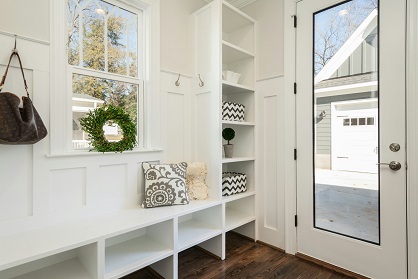
The placement of a bench is crucial in the design of your mudroom. Ideally, the bench should be located near the entrance to provide a convenient spot for putting on or taking off shoes. Choose a bench with built-in storage options, such as cubbies or drawers, to further enhance organization. Additionally, ensure that hooks for coats are positioned just above the bench, allowing guests and family members to hang their outerwear easily.
Incorporating shelving is another important element of your mudroom layout. Overhead shelves can be an excellent solution for storing seasonal items or less frequently used belongings, keeping the floor area free from clutter. Consider using clear bins to store items while maintaining visibility for quick access. Finally, don’t overlook the benefits of utilizing vertical space. Installing wall-mounted systems can offer adjustable options, which allows for flexibility as your storage needs change.
By thoughtfully designing your mudroom layout with specific zones for storage, seating, and traffic flow in mind, you can create a space that is not only practical but also enhances the overall aesthetic of your home.
Selecting Functional Furniture and Storage Solutions
Creating a functional mudroom requires thoughtful selection of furniture and storage solutions that cater to both usability and aesthetic appeal. A well-designed mudroom enhances the organization of outdoor gear such as shoes, coats, and sports equipment, ensuring that your living space remains tidy and welcoming.
Benches are an essential component of any mudroom, offering a practical space for individuals to sit while removing or putting on shoes. When choosing a bench, consider materials that are durable and easy to clean, such as wood or metal. Additionally, incorporating storage under the bench, such as baskets or drawers, can provide a hidden area for smaller items, keeping the area neat.
Cubbies and cabinets play a pivotal role in maintaining organization in a mudroom. Cubbies allow for personalized storage solutions, providing an allocated space for each family member’s shoes or belongings. Cabinets, on the other hand, offer concealed storage, which can be particularly beneficial for items that may not be as aesthetically pleasing. Opt for cabinets that are made from high-quality materials, ensuring they withstand daily wear and tear.
Hooks are a simple yet effective solution for hanging jackets, bags, or hats, maximizing vertical space in your mudroom. A mix of different hook styles can add character to the room while providing practical hanging options. Wall-mounted systems with multiple hooks can be a great choice for larger families, ensuring that everything has a designated place.
When considering materials, prioritize options that combine durability and style. For example, metal finishes are not only strong but can also provide a modern touch, whereas wood options may offer a more traditional look. Additionally, while custom built-ins can be designed to fit your space perfectly, pre-built options can be a cost-effective and time-saving alternative. Evaluate your needs and budget to determine the best fit for your mudroom’s functionality.
Organizing Your Mudroom Essentials
Effective organization is crucial for maintaining a functional mudroom, as it serves as the entry point for your home. To begin, categorize items based on frequency and seasonality. Seasonal clothing and gear should be stored in dedicated bins or compartments to keep the space tidy. For instance, during winter months, prominently display heavy coats, boots, and gloves, while relegating summer gear into storage until it is needed. This not only makes it easier to find what you need but also minimizes clutter during the off-seasons.
Creating a checklist of mudroom essentials can further streamline your organization process. Essential items typically include hooks for coats, shoe racks for footwear, and bins for smaller accessories like scarves and hats. Having a designated space for each type of item prevents unnecessary searching and enhances functionality. Moreover, consider integrating seasonal checklists to remind you to switch out clothing and gear as the weather changes. This ensures the area remains relevant to the time of year, optimizing the mudroom’s utility.
Utilizing containers or bins is another effective strategy for organizing smaller items. Choose labeled baskets or decorative boxes to store accessories like dog leashes, umbrellas, and cleaning supplies. This not only keeps the items easy to access but also visually declutters the space. It is advisable to select durable and water-resistant materials, especially for items exposed to wet conditions. Regularly assess and reorganize each section to accommodate new items or discard items that are no longer needed. By adopting these organization methods, you will be able to maintain an orderly mudroom that meets the demands of your household.
Incorporating Design Elements and Decor
Creating a functional mudroom requires attention not only to practicality but also to aesthetics. When undertaking this project, consider a cohesive color scheme that complements the rest of your home while keeping the space bright and welcoming. Shades of neutral tones, such as beige or soft gray, can create a serene backdrop, whereas bolder colors may serve as a vibrant statement. Paint or wallpaper can enhance visual interest; for example, a patterned accent wall can add character without overwhelming the space.
Additionally, selecting the right flooring is essential in a mudroom, where practicality is a priority due to the constant accumulation of dirt and moisture. Durable materials such as porcelain tiles, luxury vinyl, or sealed hardwood not only withstand wear and tear but also contribute to the overall design. A stylish area rug could be incorporated to add warmth and a personal touch, ensuring it is machine washable or easy to replace as needed.
Lighting is another vital component in a well-designed mudroom. Consider layering different types of lighting, such as ambient, task, and accent. A statement pendant light can serve as a focal point, while wall sconces offer functional lighting over benches or hooks. Additionally, consider adding windows or skylights to maximize natural light, creating a bright and airy atmosphere.
Personal touches such as artwork, photographs, or decorative wall hangings can further enhance the character of your mudroom. These elements can reflect your personal style while making the space more inviting. Moreover, decorative storage solutions, such as woven baskets, eye-catching hooks, or customized shelving, can streamline organization while still serving an aesthetic purpose. This harmonious balance of functionality and design ensures that your mudroom not only meets everyday demands but also serves as a warm and welcoming entry point into your home.
Maintaining Your Mudroom
Regular maintenance is essential for keeping your mudroom a functional and organized space. Establishing a consistent cleaning routine is the first step in ensuring your mudroom remains inviting and efficient. Aim to clean the area at least once a week, focusing on aspects like sweeping or vacuuming floors, wiping down surfaces, and organizing shoes and outerwear. This routine not only helps prevent dirt accumulation but also fosters a general sense of order.
In addition to regular cleaning, consider implementing seasonal checks for your gear and clothing. This is particularly important during transitions between seasons, as it allows you to assess the condition of items such as winter jackets, boot storage, and summer accessories. For example, during spring, it’s prudent to remove bulky winter gear and make room for lighter attire. This will help keep the mudroom clutter-free and allow for better organization based on current needs.
As your family’s needs evolve, so too should your mudroom organization. Adapt the space to suit changing lifestyles, whether that involves adjustable shelving for increased storage or specialized bins for sports gear or pet accessories. Regularly assess what items are being used and consider rotating or donating those that no longer serve a purpose. Having designated zones for different types of items, such as a section for gardening supplies alongside regular outdoor gear, can greatly enhance functionality.
By maintaining a consistent cleaning schedule, conducting seasonal checks, and adapting the space as needed, your mudroom will remain a highly functional area that supports the dynamic lifestyle of your household.
Mudroom Inspiration: Real-Life Examples
Designing a functional mudroom is an exciting venture, allowing homeowners to tailor a space that not only serves practical purposes but also reflects their personal style. To inspire readers, we can explore a variety of successful mudroom implementations from different homes, showcasing how creativity and functionality can coexist seamlessly.
One notable example can be found in a contemporary home that features an open-concept mudroom. This design utilizes a combination of sleek cabinetry and open shelving to maintain a clean and organized look. The light color palette, complemented by natural light streaming through nearby windows, enhances the perception of space. Baskets and decorative hooks provide convenient storage for footwear and accessories while ensuring easy access as family members come and go.
In contrast, a rustic farmhouse-style mudroom showcases the beauty of natural materials. Here, reclaimed wood creates a warm and inviting atmosphere, with a large iron bench providing ample seating for removing shoes. The use of vintage hooks adds character and practicality, accommodating coats and bags. The combination of earthy tones and inviting textures results in a space that feels both functional and homely, embodying a charming aesthetic that resonates with traditional design lovers.
An additional inspiring layout involves a minimalistic approach. This mudroom incorporates built-in units with a sleek design, offering hidden storage solutions to reduce clutter. The use of mirrors not only serves a functional purpose but also visually expands the area. The overall design demonstrates how careful planning and execution can lead to a serene and efficient environment, perfect for busy households.
These examples illustrate that mudrooms can be designed in diverse styles, catering to various preferences and lifestyle needs. Whether one leans towards modern, rustic, or minimalistic aesthetics, the key is to create a space that maximizes functionality while also offering an appealing visual experience.
Additional Tips and Tricks
In order to create an efficient and functional mudroom, several additional strategies can be employed to enhance the overall organization and usability of the space. One important tip is to adapt your mudroom setup according to the changing seasons. For instance, during the winter months, ensure that ample space is available for heavy coats, snow boots, and various outdoor gear. This might involve integrating seasonal bins for storing winter accessories, while allowing room for summer items such as flip-flops and lighter jackets.
DIY projects can also contribute significantly to maximizing the utility of your mudroom. Custom shelving units can be constructed to fit specific dimensions, catering to the unique requirements of your household. Moreover, incorporating hooks at varied heights can cater to both children and adults, making it easier for everyone to access and store their belongings. Consider utilizing repurposed furniture, such as an old dresser, for extra storage space that accommodates gloves, hats, or miscellaneous items.
For small or unusually shaped mudrooms, strategic design choices are crucial. Mirrors can create an illusion of space, making the mudroom feel larger than it is. Additionally, consider using clear containers or labels to maintain visibility and facilitate easy identification of contents. This enhances both aesthetics and functionality, ensuring everything is accessible without creating visual clutter.
Lastly, establishing a dedicated cleaning routine for the mudroom can effectively sustain organization over time. Regularly assess storage solutions and adapt them based on family needs and lifestyle changes. By investing time and thought into these incremental adjustments, the mudroom can remain a practical entry point into the home, blending style and function seamlessly.