


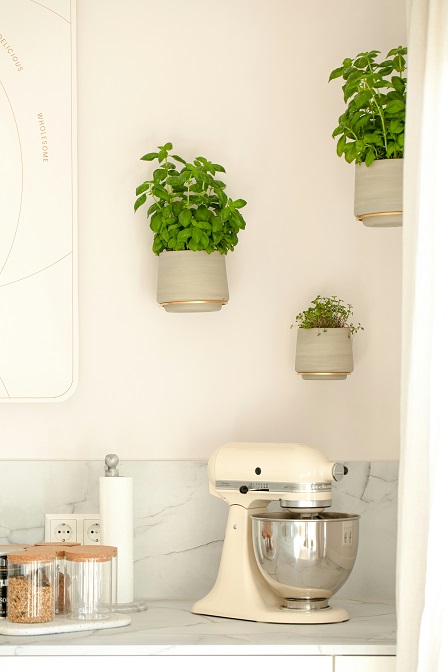
Introduction to Kitchen Countertops
Kitchen countertops are an essential element in the functionality and aesthetic appeal of any kitchen. Acting as the primary work surface, they play a crucial role in food preparation, cooking, and various kitchen activities. The selection of the right countertop material can significantly influence the efficiency and workflow within the kitchen, making it vital for homeowners to consider multiple factors when choosing their countertops. In addition to their practical usage, kitchen countertops contribute to the overall design and style of the space. They are often a focal point in kitchen aesthetics, and the choice of materials, colors, and textures can enhance the visual appeal of the area. From traditional granite and marble to contemporary quartz and recycled materials, each option presents unique qualities that can complement different design themes, whether modern, rustic, or eclectic.
Furthermore, selecting the appropriate kitchen countertops can significantly affect the long-term value of a home. High-quality materials that blend seamlessly with the kitchen’s design can elevate the property’s marketability. Potential buyers often consider the condition and attractiveness of kitchen elements, making countertops a strategic area for investment. Therefore, being informed about the various countertop options available on the market is essential for homeowners looking to enhance both functionality and aesthetic appeal in their kitchens.
Types of Kitchen Countertop Materials
When it comes to selecting kitchen countertops, various materials offer distinct characteristics and advantages. Understanding these options can greatly aid in making an informed choice that aligns with both functionality and aesthetic appeal.
Granite is a popular choice due to its durability and natural beauty. This igneous rock comes in a wide range of colors and patterns, making it suitable for various kitchen styles. However, granite requires regular sealing to maintain its resistance to stains and bacteria.
Quartz countertops are engineered stone surfaces that combine natural quartz crystals with resin. This material is non-porous, making it resistant to stains and easy to maintain. Quartz is available in numerous colors and patterns, allowing for a custom look. Its resistance to scratching and chipping makes it a practical option.
Laminate countertops have evolved in style and durability. Made from layers of plastic bonded to particleboard, laminate surfaces are highly versatile and budget-friendly. They come in various colors and designs, including realistic imitations of more expensive materials. However, laminate is less heat and scratch-resistant than natural stone options, which can limit its use in high-traffic kitchens.
Marble countertops exude elegance and timeless beauty, characterized by their unique veining. Despite their stunning appearance, marble is softer and more porous compared to granite and quartz, making it susceptible to scratches and staining. Choosing marble may be ideal for those prioritizing aesthetics over maintenance.
Butcher block is a warm, inviting material made from layers of wood, ideal for those who enjoy cooking and food preparation. It is relatively easy to maintain and can be sanded down to remove scratches over time. However, butcher block requires regular oiling to prevent cracking and water damage.
Concrete countertops offer a modern, industrial aesthetic. They are customizable in color and texture, and can be molded to any shape. Despite their durability, concrete can be prone to chipping and requires sealing to avoid stains.
Each material comes with its advantages and disadvantages, making it essential to consider personal preferences and kitchen design when choosing the right countertops for your space.
Considerations for Choosing Countertops
When it comes to selecting the perfect kitchen countertops, several key factors warrant careful consideration to ensure they align with your lifestyle and design preferences. One of the primary aspects to examine is durability. Countertops subjected to heavy use should be made of materials that can withstand scratches, heat, and stains. Options such as granite, quartz, and solid surface materials are often favored for their resilience, making them suitable for a busy kitchen environment.
Maintenance requirements are another crucial consideration. Some materials, like marble, may require more upkeep due to their porous nature, necessitating regular sealing to prevent staining. On the other hand, quartz is known for its low-maintenance properties, making it a popular choice among homeowners who prefer convenience. Understanding the level of care a countertop requires can significantly influence your decision, especially if you lead a hectic lifestyle.
Cost is also a vital factor, as countertops can vary greatly in price. Budgeting for your countertops involves not only the material cost but also labor for installation. It is advisable to establish a budget early on and explore various options within your price range. You may find that some premium materials can offer long-term value despite higher initial costs due to their durability and timeless appeal.
Appearance plays a significant role in the decision-making process. The countertop material should complement the overall kitchen design—from cabinetry to flooring. Are you aiming for a modern aesthetic or perhaps a more rustic feel? Colors, patterns, and finishes will affect how the countertops blend into the wider kitchen space.
Lastly, think about how the countertops will fit with your overall kitchen usage. For example, if you frequently host gatherings or cook large meals, spacious and durable surfaces may be essential. Taking the time to reflect on these considerations will help you choose a countertop that not only meets practical needs but also enhances the beauty of your kitchen space.
Aesthetic Appeal and Design Compatibility
The choice of kitchen countertops significantly impacts the overall aesthetic appeal of the kitchen. Countertops are not merely functional surfaces; they serve as a focal point in the design narrative of the kitchen. Selecting the right materials, colors, and textures can unify the various elements of a kitchen. It is essential to consider how the countertops interact with cabinets, backsplashes, and flooring to create a cohesive and appealing environment.
When it comes to color, homeowners should evaluate their current color palette. Neutral tones like whites, greys, and beiges offer versatility and can complement a range of styles from traditional to contemporary. However, vibrant colors can introduce a bold statement and require careful consideration to ensure they still harmonize with the other kitchen features. Texture is another critical factor; for instance, a rough, rustic finish can contrast beautifully with sleek, modern cabinetry.
Patterns also play an essential role in design compatibility. Countertops with intricate veining or unique speckles can add depth and visual interest but must be matched thoughtfully with solid-colored cabinetry to avoid overwhelming the space. Moreover, the coordinate patterns of the backsplash and flooring will contribute to the overall flow of the kitchen. It is advisable to create a design board or digital mock-up to visualize the integration of various elements, aiding the selection process.
Ultimately, the goal is to achieve a harmonious look where the countertops seamlessly blend with other components of the kitchen. By carefully considering color, texture, and pattern, homeowners can choose countertops that not only enhance aesthetic appeal but also reflect their personal style. This attention to design compatibility ensures that, alongside functionality, the kitchen emanates beauty and comfort.
Budgeting for Kitchen Countertops
When considering a kitchen remodel, one of the most crucial aspects to evaluate is the budget for kitchen countertops. It is essential to establish a realistic budget that aligns with your financial capabilities and the overall scope of your renovation. The first step in this process is to conduct research on the various types of materials available, as countertop prices can vary significantly depending on the material chosen. Common options include laminate, granite, quartz, and marble, each with its unique pricing structures and aesthetic appeal.
The cost of materials should be your starting point; for instance, laminate countertops are typically the most budget-friendly option, whereas granite and quartz offer more durability and luxury but at a higher price point. To get a better understanding of your costs, consider obtaining quotes from local suppliers or contractors. This will allow you to compare prices and find the best deal that fits your budget.
Installation fees are another essential component of your budget. Depending on the complexity of the installation and the material selected, labor costs can add a considerable amount to your overall expenditure. It is often advisable to include these costs in your estimate right from the start to avoid any surprises during the renovation process. Many suppliers offer installation services, so you may wish to inquire about bundles or discounts for purchasing countertops and installation together.
Lastly, don’t forget to factor in potential maintenance expenses over time. Different materials require varying levels of upkeep, which can influence your long-term budget. For instance, natural stones like granite may need periodic sealing, while laminate surfaces can be more resistant to wear. By considering all these aspects, you will be better equipped to set a comprehensive and realistic budget for your kitchen countertops, aligning with both your style preferences and financial considerations.
Maintenance and Care of Countertops
Proper maintenance and care of kitchen countertops are essential for ensuring their longevity and preserving their aesthetic appeal. Different countertop materials have varying maintenance requirements, making it crucial for homeowners to understand specific care practices. Natural stone, for instance, such as granite and marble, are popular choices but require careful attention. Sealing is necessary for these surfaces to prevent stains and damage; this process should ideally be performed annually.
For laminate countertops, maintenance is generally simpler. These surfaces are non-porous and can easily be wiped clean with mild, soapy water. However, care should be taken to avoid abrasive cleaners or scouring pads, which can cause scratches. While laminate countertops resist staining, they can be susceptible to heat, so using trivets or hot pads is recommended to prevent warping or melting.
Quartz countertops, a man-made material, combine beauty and durability. They are non-porous and do not require sealing, making them easy to maintain. Regular cleaning with mild soap and water is typically sufficient. It is advisable to avoid harsh chemicals that can damage the resin binding the quartz.
Wood countertops offer a rustic charm but require more meticulous care. Regularly oiling the surface will help protect it from moisture and stains. It’s vital to clean spills immediately to prevent water damage, and avoid leaving standing water on the wood.
In summary, understanding the specific care needs of different countertop materials is essential for maintaining their beauty and function. Adhering to the proper maintenance routines not only enhances the appearance of kitchen countertops but also extends their life, thereby maximizing the investment in this crucial kitchen feature.
Countertop Installation Process
The installation of kitchen countertops is a critical phase in the renovation or building process, impacting both the functionality and aesthetic appeal of the space. Understanding the countertop installation process is essential for homeowners contemplating whether to undertake the task themselves or hire a professional.
Before beginning the installation, it is important to prepare adequately. This preparation includes measuring the space accurately, selecting the right countertop material, and ensuring all necessary tools and materials are on hand. For a DIY homeowner, it’s vital to have a clear understanding of the installation methods relevant to the chosen countertop type, such as laminate, granite, quartz, or marble. Instruction manuals and online tutorials can provide valuable guidance.
For those considering a professional installation, it is advisable to schedule an in-home consultation with a contractor. During this appointment, contractors will evaluate the existing cabinetry and layout, and provide estimates that often include labor, materials, and timeline projections. Professionals typically have access to specialized tools and experience that can mitigate potential installation issues.
The general timeline for countertop installation varies by complexity and method. Simple laminate installations can often be completed within a day, while materials like granite and quartz may require a couple of days due to fabrication and curing processes. Homeowners should be prepared for some disruption in the kitchen during this period and make alternative meal arrangements, as the workspace will be temporarily unusable.
Ultimately, the decision to engage in DIY installation or to hire a professional should consider the homeowner’s skills, time availability, and the intricacies of the material being installed. With careful planning and consideration, the countertop installation process can lead to a rewarding transformation of the kitchen space.
Popular Trends in Kitchen Countertops
When it comes to kitchen countertops, trends are constantly evolving to reflect modern aesthetics, functionality, and sustainability. Currently, there is a noticeable shift towards materials that blend durability with style. One of the most prominent trends is the increased use of quartz as a countertop material. Known for its non-porous nature, quartz is available in a vast array of colors and patterns, offering versatility that accommodates various kitchen designs. This material closely mimics the look of natural stone while providing enhanced durability and ease of maintenance.
Another trending material is recycled surfaces, which appeal to environmentally-conscious homeowners. These countertops often combine glass, resin, and stone to create unique, eye-catching variations. In addition to their sustainable attributes, recycled surfaces also add a modern touch, making them a popular choice in contemporary kitchens.
Color trends in kitchen countertops have also evolved. Neutral shades, such as whites, grays, and beiges, continue to dominate, providing a timeless backdrop for kitchen aesthetics. However, bold colors and patterns are increasingly being incorporated to create focal points in kitchens. Darker hues, such as deep blues and charcoal blacks, can add richness and depth to the overall design. Furthermore, the trend of pairing different materials and colors within a single countertop is gaining traction, allowing for personal expression and creativity.
In terms of finishes, matte and honed surfaces have risen in popularity, as they offer a more understated elegance compared to polished finishes. These textures not only minimize glare but also provide a softer, more inviting feel to the kitchen space. Additionally, the integration of new technologies has led to countertops with built-in antimicrobial properties, enhancing hygiene—an important consideration for many homeowners.
Final Thoughts and Decision-Making Tips
Choosing the right kitchen countertops is a significant decision that can greatly influence both the functionality and aesthetic appeal of your kitchen. As discussed, factors such as material, durability, maintenance, style, and cost should be carefully weighed. Each countertop type offers unique advantages and disadvantages; therefore, understanding your specific needs and lifestyle is crucial. For example, if you prioritize durability and ease of maintenance, quartz might be an excellent choice. On the other hand, if you value the natural beauty and warmth of stone, granite or marble could be the best fit.
In addition to the inherent qualities of countertop materials, consider how different options harmonize with your overall kitchen design. Color schemes, textures, and patterns should complement not only your cabinets and floors but also the functionality you require from your countertops. Some materials lend themselves more readily to gourmet cooking techniques, while others may be more suitable for casual meal prep.
It is also advisable to take your time during your selection process. Making spur-of-the-moment decisions may lead to regrets later, especially if the countertops do not suit your practical needs or stylish preferences. Utilize sample materials to visualize how different countertops will look in your kitchen space. Engaging with a professional designer can also provide valuable insights tailored to your unique kitchen requirements.
Ultimately, the ideal kitchen countertop will enhance both the effectiveness and visual appeal of your kitchen. By focusing on durability, maintenance, style, and cost, you can make a well-informed choice that aligns with your individual preferences. Remember, this decision is an investment in your home, so take the time necessary to choose thoughtfully.