


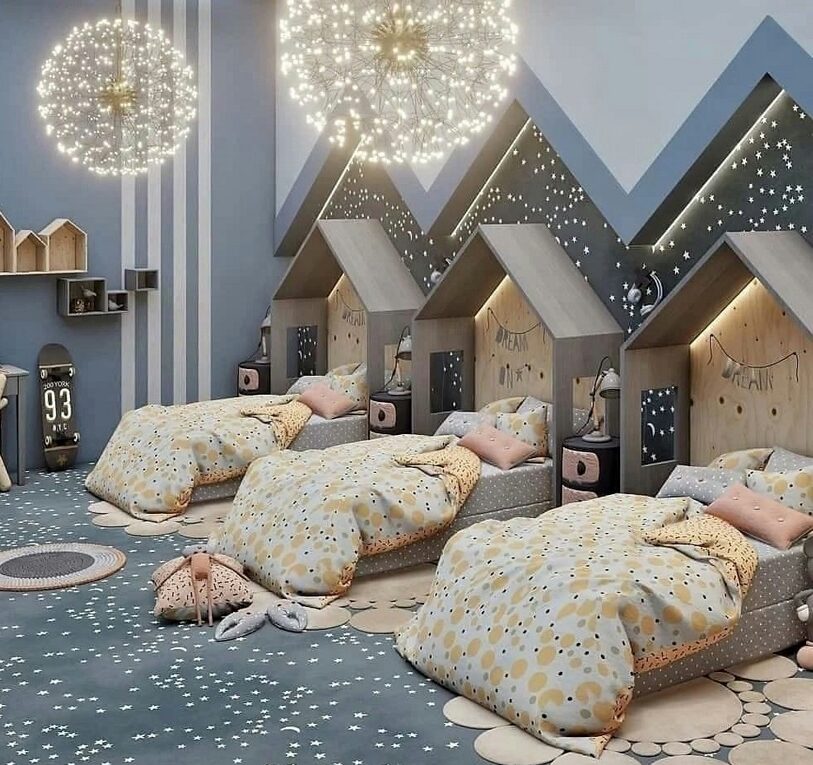
Understanding the Importance of a Well-Designed Kids’ Room
Designing a kids room design is a fundamental aspect of their growth and development, significantly influencing their mood, creativity, and overall well-being. A thoughtfully curated space can foster an environment where children feel safe and inspired to explore their creative instincts. Children spend a considerable amount of time in their rooms, whether engaging in play, studying, or unwinding. Therefore, the design of this personal space should be both functional and aesthetically pleasing. A well-designed kids’ room can stimulate imagination and encourage independent play, which are critical components of a child’s emotional and cognitive development. The placement of furniture, the choice of colors, and the incorporation of stimulating elements such as art and learning tools can enhance a child’s ability to express themselves and explore new ideas. For instance, vibrant colors may invoke energy and creativity, while comfortable areas for reading or quiet time can support relaxation and focus.
Moreover, the layout of a children’s room can promote organizational skills and personal responsibility. By involving children in the design process and allowing them to choose certain decor elements, such as bedding or wall art, they develop a sense of ownership and pride in their space. This empowerment plays a crucial role in their growing independence. Furthermore, a room designed with adaptable furniture can cater to a child’s evolving needs, providing long-term functionality. The ability to rearrange furniture or incorporate new items as the child grows ensures that the space remains relevant and supportive of their changing interests and activities.
In essence, investing time and effort into designing a child’s room is a vital step in nurturing their development. A creative and thoughtful environment not only enhances comfort but also serves as a catalyst for imagination, creativity, and independence, laying the groundwork for their future growth and success.
Key Elements of Kids’ Room Design
When designing a kids’ room, it is essential to consider various key elements that contribute to the overall functionality and aesthetics of the space. A thoughtfully designed room not only serves basic needs but also fosters creativity and a sense of personal ownership.
One of the first factors to consider is the color scheme. Bright, cheerful colors can invigorate the atmosphere, making the space more appealing to children. However, it’s crucial to balance vibrant hues with softer tones to create a calming environment conducive to sleep and relaxation. Selecting colors that reflect the child’s personality encourages them to feel more connected to their room.
Next, furniture selection plays a vital role in the design process. Kids’ furniture should be age-appropriate, safe, and durable, as well as aesthetically pleasing. Modular furniture can adapt as the child grows, making it a wise long-term investment. Writing desks and playful seating options contribute not only to functionality but also to a sense of creativity and exploration in the space.
Storage solutions are another significant component in effective kids’ room design. An organized space reduces clutter, making it easier for children to find their belongings. Open shelving, colorful bins, and multifunctional furniture like ottomans or beds with storage can make a room feel spacious while encouraging children to take responsibility for their organization.
Finally, decorations are vital to reflect the child’s interests and hobbies. Wall art, personalized name tags, and thematic decor can make the room feel unique and inviting, allowing the child to express themselves. By incorporating these key elements, parents can create a vibrant, functional, and inspiring environment that enhances their child’s growth and creativity.
Choosing a Theme for Your Kids’ Room
One of the most delightful aspects of designing a kid’s room is selecting a theme that reflects the child’s interests and personality. A well-thought-out theme can create a stimulating and engaging environment for play and learning. Here are some popular themes to consider:
Nature: A nature-inspired theme can introduce children to the wonders of the great outdoors. Utilizing colors like greens, browns, and blues can help evoke a sense of calm and serenity. You can decorate with various elements such as leaves, trees, and animals, creating a mini forest or jungle within their bedroom.
Space: Space themes are particularly appealing for children fascinated by astronomy and science. Consider incorporating elements of planets, stars, and galaxies through wall decals, bedding, and educational posters. A glow-in-the-dark night sky ceiling can add a whimsical touch while sparking curiosity about the universe.
Underwater: An underwater theme opens up a world of imaginative possibilities. Utilize shades of aqua and turquoise, paired with marine life decorations like fish, coral, and mermaids. A feature wall painted to resemble the ocean floor can foster a sense of adventure and exploration.
Fairy Tales: For children who are captivated by fairy tales and magical stories, this theme can transport them to enchanted realms. Choose whimsical colors and patterns that reflect various stories, and incorporate elements like castles, woodland creatures, and friendly dragons through artwork and accessories.
When choosing a theme for your child’s room, it’s essential to collaborate with them. Discuss their favorite activities, books, and hobbies to ensure the theme resonates with their interests. Furthermore, ensure the theming is cohesive throughout various elements such as wall paint, furniture, and bedding. This not only creates a unified look but also makes the space more enjoyable and personalized for your child.
Incorporating Play Areas into the Design
Creating a nurturing environment for children significantly contributes to their growth and development. One crucial aspect of this is the incorporation of play areas within the design of their room. Play is essential for young children as it fosters creativity, encourages social interaction, and aids in the development of problem-solving skills. Thus, integrating designated play zones into their living space can transform an ordinary room into a stimulating hub for exploration and fun.
When designing a child’s room, consider implementing multipurpose furniture that can serve various functions while maintaining aesthetic appeal. For example, a sturdy ottoman can provide both seating and storage for toys, while a foldable table can be used for art and crafts during playtime and neatly tucked away when not in use. This approach helps in maximizing space—especially important when dealing with smaller rooms.
Moreover, establishing distinct areas for different activities can enrich the overall experience. A cozy reading nook, complete with comfortable cushions and shelves filled with books, invites children to cultivate a love for reading. Meanwhile, a dedicated crafting corner, equipped with a small table and drawers for supplies, empowers children to engage in creative projects. Using colorful rugs or even floor cushions can help define these spaces clearly, making it easier for children to understand where to play, read, or create.
In conclusion, the thoughtful integration of play areas within a child’s room design is pivotal to promoting healthy development. By utilizing versatile furniture and creating specific zones for varying activities, parents can cultivate an environment that supports both play and learning seamlessly, ensuring that their children thrive in a loving and encouraging space.
Small Space Solutions for Kids’ Rooms
Designing a kids’ room in a small space presents unique challenges, especially when trying to combine functionality with creativity. However, with the right strategies, it is possible to maximize every square inch, ensuring the area remains both playful and practical. One effective approach is to use multipurpose furniture, such as beds with built-in drawers or desks that can be folded away when not in use. This type of furniture not only saves space but also provides additional storage, reducing clutter and helping to maintain an organized room.
Another smart solution involves vertical storage options. Shelving that is installed high on the walls can utilize otherwise wasted space, allowing for books, toys, and decorative items to be displayed without consuming floor area. Consider using wall-mounted organizers or pegboards to keep frequently used items within reach while keeping the floor area open for play. Additionally, hanging hooks can be an excellent choice for storing backpacks and costumes, adding to both the functionality and aesthetic of the room.
Color choices can also significantly impact how spacious a kids’ room feels. Lighter shades on the walls, such as soft pastels or whites, can create an illusion of openness. Accents in bold colors can be introduced through accessories like cushions, curtains, or wall decals, giving the room a lively, inviting atmosphere without overwhelming the space. Furthermore, utilizing mirrors strategically can enhance brightness and create a more expansive feel, which is particularly beneficial in small areas.
In sum, designing a kids’ room in a limited area requires thoughtful planning and creativity. By integrating multipurpose furniture, exploring vertical storage options, and optimizing color and light, it is possible to craft a fun and functional environment that can grow with the child while making the most out of available space.
Safety Considerations in Kids’ Room Design
When designing a child’s room, safety must take precedence over aesthetic considerations. Children are inherently curious, which makes their environments prone to accidents. Thus, integrating childproofing measures is essential. This encompasses ensuring that furniture is anchored to walls to prevent tipping, using cordless window coverings to eliminate strangulation hazards, and installing safety gates where necessary. It is also advisable to select rounded corner furniture to minimize injury risks in case of falls.
Choosing furniture that prioritizes safety is crucial when creating a secure kids’ room. Opt for pieces that are crafted from durable, non-toxic materials. This not only enhances safety by reducing the risk of harmful chemical exposure but also supports overall well-being. Consider furniture that adheres to safety standards, including ASTM or CPSC certifications, to ensure that they meet rigorous safety guidelines.
Another important aspect of creating a safe environment is selecting eco-friendly materials. Non-toxic paints, organic fabrics, and sustainably sourced woods can significantly reduce indoor air pollutants, offering a healthier atmosphere for children. Furthermore, eco-friendly materials are often free from harmful chemicals, providing an added layer of safety for young occupants. Parents can look for furnishings that show certifications such as Greenguard Gold or the Forest Stewardship Council (FSC) logo, signaling their commitment to safety and sustainability.
In conclusion, prioritizing safety in kids’ room design is essential for creating a functional and attractive space. By implementing childproofing measures, choosing safe and certified furniture, and considering eco-friendly materials, parents can ensure their children’s room is both visually appealing and secure. This thoughtful approach allows children to explore and enjoy their space while keeping their safety at the forefront of the design process.
Personalizing the Space
Creating a child’s room that reflects their personality can significantly enhance their sense of ownership and identity. Personalization in kids’ room design not only makes the space more enjoyable and inspiring but also allows children to express themselves. One effective way to accomplish this is through the use of artwork. Encouraging your child to decorate their walls with their drawings, paintings, or even favorite posters can transform an ordinary room into a vibrant canvas of their creativity and interests. This engagement in the design process fosters a sense of pride and autonomy.
Another essential element of personalization is the inclusion of photographs that resonate with your child. Family pictures, snapshots from enjoyable outings, or photos of close friends can be displayed creatively in frames or as a photo wall. By surrounding the child with familiar and cherished imagery, you help create an emotional connection to their space. Consider creating collage boards or using magnetic strips on walls, allowing kids to change and update their displays easily as their interests evolve.
DIY projects can also play a significant role in personalizing a child’s bedroom. Simple craft projects, such as redecorating old furniture with colorful paint or stickers, or even creating custom bedding, can inject personal flair into the room. Engaging your child in these projects not only becomes a shared bonding experience but also encourages their imaginative skills. Painting a mural or crafting decorative wall hangings can encapsulate their hobbies or favorite themes, making the room uniquely theirs.
Ultimately, when children see their interests reflected in their surroundings, it fosters a deeper connection with their space. A personalized environment not only nurtures their development but also provides a sanctuary tailored to their preferences and evolving identities. This interplay between personalization and ownership can have lasting positive effects on their emotional well-being.
Budget-Friendly Design Tips
Designing a children’s room does not have to break the bank. There are numerous budget-friendly strategies that can help create an attractive and functional space without extensive financial outlay. One of the first considerations when aiming to design a beautiful kids’ room on a budget is to prioritize essential items. Consider opting for multi-functional furniture, such as a bed with built-in storage or a desk that can double as a play area. This not only optimizes the available space but also reduces the need for purchasing multiple pieces of furniture.
Another effective approach is to explore thrift stores, garage sales, or online marketplaces for affordable furniture and decor. These resources often offer unique items at a fraction of retail prices, making it possible to curate a distinctive style that reflects your child’s personality. In addition, investing in basic furniture pieces and then customizing them through simple modifications can create a unique look while keeping costs down.
DIY projects always offer another way to create a beautiful kids’ room on a budget. Upcycling items you may already own can refresh an old furniture piece or decorative item, giving it new life without the associated expenses of purchasing new ones. For instance, transforming an old dresser into a colorful toy chest can not only be cost-effective but also a fun bonding activity with your child. You can also get creative with wall art by using prints or paintings made by your child, providing a personal touch that showcases their creativity and individuality.
Moreover, always keep an eye on seasonal sales and discounts, particularly for home goods, which allow opportunities to acquire quality items at a reduced price. By strategically planning your purchases and exploring various avenues for affordable resources, creating a charming and functional kids’ room on a budget becomes not only achievable but enjoyable as well.
Maintaining Flexibility for Growing Children
When designing a children’s room, it is essential to consider the various stages of a child’s growth and how their interests will evolve over time. A creative kids’ room should not only reflect a child’s current preferences but also be adaptable enough to accommodate their changing needs without requiring a complete overhaul. Flexibility in design is crucial as children progress through different developmental stages, often leading to shifts in their hobbies and requirements.
One effective approach is to incorporate modular furniture that can easily adjust to different functions. For instance, a bed with an integrated desk or a lofted bed allows for versatile use of space, enabling the room to transition smoothly from a play area to a study zone. Additionally, using a neutral color palette for large items such as beds or dressers enables the room to maintain a cohesive look, while pops of color can be added through easily changeable accessories such as bedding, wall art, and decorative elements, reflecting the child’s current interests.
Creating designated zones within the room can also enhance flexibility. Incorporating areas for different activities—such as reading, playing, and studying—ensures that the room meets diverse needs as children grow. For example, a reading nook with a cushioned chair and bookshelf fosters a love for books, while a creative corner with art supplies encourages self-expression. These zones can evolve with the child, and their functions can be reassigned or reconfigured easily over time.
Furthermore, storage solutions play a vital role in maintaining flexibility. Shelving units, toy bins, and multi-functional furniture that serves both storage and display purposes can help manage changing collections of toys, books, or personal items. As children mature, modified organization strategies can allow for easy updates to the space, ultimately creating a room that remains functional and appealing throughout their childhood.