

Assessing Your Space
Creating a stylish outdoor patio begins with a comprehensive assessment of your available outdoor space. This initial evaluation is crucial as it forms the foundation for your patio design. Start by measuring the dimensions of your outdoor area, noting both the length and width. This will help you understand the potential size of your patio and guide you in selecting appropriate furniture and features.
Next, observe the shape of your space. Outdoor patios can be rectangular, square, or even irregularly shaped, depending on your landscape. Understanding these dimensions will assist you in designing a layout that complements your yard. Consider the terrain as well; flat areas are generally more straightforward for building a patio, while sloped or uneven ground might require additional engineering solutions such as retaining walls or leveling. Furthermore, take note of any existing features such as trees, bushes, or decks. These elements can significantly impact your design and functionality. For example, large trees can provide necessary shade but may also limit available space for furnishings. If you have a deck, consider how the patio will connect and flow with this structure. Think about creating a seamless transition from the deck to the patio area.
Another crucial factor to assess is the sunlight patterns throughout the day. Observe how the sun moves across your space, identifying areas that receive direct sunlight versus those that remain shaded. This knowledge will be integral in deciding the positioning of your patio, ensuring that you create a comfortable environment for relaxation and entertainment at any time of the day.
Defining Your Style
When embarking on the journey of creating a stylish outdoor patio, the initial step is to define your personal design style. Understanding your aesthetic preferences will lay the foundation for the overall look and feel of your outdoor space. Consider various styles such as modern, rustic, traditional, or bohemian, as each brings a unique charm and atmosphere. Engaging with different aesthetics could unveil styles you might not have previously considered.
To begin this exploration, utilize inspiration boards, magazines, and social media platforms such as Pinterest or Instagram. These tools are excellent for compiling images and ideas that resonate with you. As you browse, pay attention to elements that stand out, such as colors, materials, furniture, and layouts. This will not only help narrow down your choices but also assist in visualizing how these various aspects can be harmonized into a cohesive outdoor design.
Furthermore, it is beneficial to think about the function of your patio. Is it primarily for relaxation, hosting gatherings, or perhaps dining? The style you choose should complement how you intend to use the patio. For instance, if you envision a modern outdoor dining area, sleek furniture and materials such as glass and metal would be appropriate. On the other hand, a rustic style might call for wooden elements and an earthy color palette.
Ultimately, the goal is to create a space that reflects who you are while also being functional and inviting. Take your time in this discovery process; there is no rush to finalize your outdoor patio style. Remember, the more you refine your choices, the more effortlessly you can achieve a space that serves as a perfect extension of your home.
Selecting Materials and Furniture
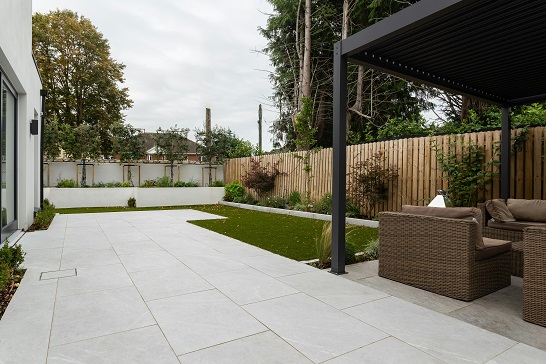
Creating a stylish outdoor patio involves careful selection of materials and furniture that harmonize with your aesthetic vision while ensuring durability. The flooring of your patio is a crucial element, as it sets the foundation for the entire space. Popular choices include pavers, which are available in various colors and patterns, allowing for customization, and wooden decking, which offers a natural, warm appeal. Each option has its own maintenance requirements and longevity, so consider how much time and effort you are willing to invest.
When it comes to furniture, the selection can significantly influence the overall style of your patio. Metal furniture typifies a classic, modern look and is often treated to withstand the elements. Wicker furniture, on the other hand, brings a touch of warmth and comfort with its softer lines, making it a popular choice for casual outdoor settings. Wooden furniture can also enhance the natural vibe of an outdoor space but requires more maintenance to preserve its finish and integrity.
Another essential aspect to consider is the fabric used for cushions and umbrellas. Outdoor fabrics should be UV-resistant and water-repellent, ensuring they can withstand harsh weather conditions without fading or deteriorating. Brands specializing in outdoor cushions typically offer a variety of colors and patterns, allowing you to create a cohesive look with your patio’s design theme. Fabrics made from solution-dyed acrylic are particularly known for their longevity and resistance to mildew, making them an excellent choice for outdoor living spaces.
Ultimately, selecting the right materials and furniture requires balancing aesthetics and practicality. Investing in weather-resistant options will not only prolong the life of your outdoor patio but also maintain its stylish appearance over the years.
Creating Zones for Functionality
One of the key aspects of designing a stylish outdoor patio is establishing distinct zones tailored for various activities. This approach not only maximizes the usability of your outdoor space but also adds visual interest and organization. Whether you envision a serene reading nook, an inviting dining area, or a lively cooking zone, careful planning and arrangement are essential.
To begin, assess the size and layout of your patio. This will help you determine how many zones you can create without sacrificing flow and functionality. Common zones include dining, lounging, cooking, and even entertainment areas. Consider using furniture arrangement to define each zone, making use of rugs or outdoor carpets to visually separate spaces.
For instance, in a dining zone, a sturdy table paired with comfortable chairs invites relaxation while enjoying meals outdoors. Opt for weather-resistant materials that can withstand the elements. Adjacent to the dining area, a lounging zone can feature plush seating arrangements with ample cushions, creating a cozy atmosphere for relaxation after dinner. Incorporating elements such as throw pillows or blankets can enhance comfort and style.
If cooking outdoors appeals to you, consider the integration of an outdoor kitchen or a portable grill. A designated cooking zone is not just functional but can also become a focal point of the patio. Equip this area with ample counter space, storage, and seating for guests who wish to socialize while meals are being prepared.
Finally, adding features like a fire pit can enhance the patio’s ambiance, creating a natural gathering spot for conversation and warmth during cooler evenings. By carefully defining and designing these zones, you ensure your outdoor patio remains a versatile and inviting retreat for all activities.
Incorporating Nature and Greenery
Integrating plants and greenery into your outdoor patio design significantly enhances its aesthetic appeal and overall atmosphere. The natural elements not only provide visual interest but also contribute to a sense of tranquility, making the patio a perfect retreat. When considering how to incorporate greenery, opting for low-maintenance plants is often a wise choice, especially for those who may not have the time or expertise to tend to more delicate flora.
Low-maintenance plants such as succulents, ornamental grasses, and perennials can thrive in various conditions while requiring minimal care. These plants are resilient and can add texture and color without the need for constant attention. For instance, using potted succulents can create a modern, stylish look, while larger ornamental grasses can frame seating areas, adding movement and softness to the space.
Vertical gardens are another effective way to add greenery to a patio without taking up too much floor space. They can be created using wall-mounted planters or trellises, which allow you to grow climbing plants or herbs. This approach not only maximizes the use of vertical space but also creates a lush and inviting backdrop.
Furthermore, pots and containers can be strategically placed throughout the patio to infuse color and life into the design. Utilizing different materials such as ceramic, wood, or metal can create a varied and dynamic look. Additionally, the choice of containers can reflect your personal style; for a rustic feel, consider terracotta pots, while sleek metal containers may suit a more modern aesthetic.
Incorporating nature into your patio design, through thoughtful plant selection and creative arrangements, can transform the space into a vibrant outdoor sanctuary. By enhancing the atmosphere with greenery, you create an inviting environment that encourages relaxation and socialization.
Importance of Outdoor Lighting
Outdoor lighting plays a paramount role in enhancing the ambiance of your patio. It not only serves functional purposes, such as illuminating pathways and seating areas but also sets the mood for evening gatherings. By selecting the right lighting options, you can elevate the overall aesthetic of your outdoor space and create an inviting atmosphere for both relaxation and entertaining.
String Lights
One of the most popular choices for outdoor patios is string lights. Their versatility allows them to be draped across trees, hung from railings, or wrapped around pergolas, immediately adding a magical glow to the space. The soft, warm light they emit can create a cozy ambiance perfect for intimate gatherings. Available in various styles, from vintage Edison bulbs to colorful LED options, string lights can be tailored to match any design theme.
Lanterns
Lanterns are another charming lighting option that can bring character to your patio. Whether you opt for traditional candle lanterns or modern battery-operated designs, they can be scattered across tables, placed on ledges, or hung from hooks. The flickering light from candles adds warmth while the design of the lantern itself can serve as an attractive decor item. Additionally, solar-powered lanterns offer an efficient and eco-friendly lighting solution, illuminating your patio without the need for electrical wiring.
Built-In LED Fixtures
For a more permanent solution, consider installing built-in LED fixtures. Recessed lighting in ceilings or along deck edges provides subtle illumination and can highlight specific features of your patio, such as seating areas or unique landscaping. These fixtures offer flexibility in terms of brightness and color temperature, allowing you to customize the lighting to suit different moods or occasions. Layering built-in LED lights with other lighting elements like string lights and lanterns creates depth and visual interest in your outdoor space, ensuring both functionality and a pleasant ambiance.
Adding Accessories and Decor
To transform an outdoor patio into a stylish and inviting space, incorporating accessories and decorative elements is essential. The right accessories not only enhance the aesthetic appeal but also create a comfortable and personalized atmosphere for relaxation and entertaining.
One effective way to define the space is through outdoor rugs. These rugs can add warmth and texture, while also providing a distinct zone, especially in larger patios. Look for weather-resistant materials that can withstand exposure to the elements without losing their charm. A well-placed rug can also serve as a focal point that ties various elements together.
Cushions and throw pillows are another important addition to any patio. They offer practical comfort while allowing for a splash of color or pattern that reflects personal style. Selecting outdoor-friendly fabrics ensures durability against fading and wear, making these items both functional and attractive.
Artistic touches, such as outdoor artwork or decorative wall hangings, can further personalize the patio. Consider items that endure outdoor conditions, such as metal sculptures, ceramic pots, or weather-resistant prints. These pieces can add character and provoke conversation among guests.
In addition to aesthetic choices, incorporating functional items like throws can enhance the inviting atmosphere, especially during cooler evenings. Lightweight, cozy blankets placed on seating can encourage prolonged outdoor enjoyment.
Additionally, consider adding an outdoor kitchen or a bar area, which not only provides functionality but also elevates the overall style of your patio. Incorporating these elements strategically allows for both convenience and an enhanced outdoor experience.
Maintaining Your Outdoor Retreat
To ensure the longevity and elegance of your stylish outdoor patio, regular maintenance is essential. A clean, well-kept space not only enhances its appearance but also extends the life of your furnishings and surfaces. Begin with basic cleaning, which should be performed at least twice a month, depending on environmental conditions. Sweep or use a leaf blower to remove debris, including leaves, dirt, and any other accumulated materials. For tiled surfaces, a mixture of mild soap and water can be used to wipe away stains and maintain clarity.
Seasonal preparations are equally important. Before winter or rainy seasons, make sure to store cushions and any textiles in dry, covered areas to protect them from moisture, which could lead to mold growth. Using furniture covers or placing heavy objects on patio chairs and tables can prevent damage from snow or heavy rain. In the spring, inspect your outdoor accessories for any wear and tear that may have occurred during the colder months, such as rust on metal frames or fading of fabrics.
Addressing wear and tear promptly can save you from more significant repairs later. If you find signs of fading on your furniture or patio decor, consider applying a protective sealant or covering them with appropriate materials. For wooden structures, a fresh coat of sealant every couple of years can enhance weather resistance. Additionally, check for loose screws or bolts; tightening these can reinforce stability and safety.
Finally, establishing a consistent maintenance routine will keep your outdoor retreat looking stylish and inviting. Engage both daily and seasonal practices so that your patio remains a beautiful reflection of your taste and an enjoyable space for gatherings or relaxation. By investing time in upkeep, you allow your outdoor area to continue serving as a stunning extension of your home.
Planning for Seasonal Use
Creating a stylish outdoor patio involves not only aesthetics but also functionality, particularly when considering seasonal use. A well-planned patio can be a comfortable and inviting space throughout the year. To achieve this, several strategies can be implemented to ensure that your patio remains enjoyable regardless of the season.
During colder months, incorporating outdoor heaters is essential for maintaining warmth. These heaters come in various styles, including propane models and electric options, allowing you to choose one that suits your design. Additionally, a fire pit can be a focal point that provides warmth while also enhancing the ambiance. Gathering around a fire pit is a popular social activity, creating a cozy atmosphere for family and friends.
In the summer, your patio can be transformed into an oasis. Consider adding features such as misting systems or outdoor fans, which provide relief from the heat. Comfortable seating arrangements with shade can encourage usage during the warmer months. Furthermore, incorporating a water feature, such as a fountain or small pond, not only adds beauty but also creates a tranquil environment that can help cool the surrounding air.
To protect your patio from harsh weather conditions, especially during winter months, investing in quality patio furniture covers and using weather-resistant materials is key. These elements can prevent damage and prolong the life of your outdoor space. Additionally, consider positioning potted plants strategically to act as windbreaks, thereby reducing exposure to elements like cold winds or heavy rain.
Overall, strategic planning for seasonal use ensures that your outdoor patio is not only stylish but also functional, enabling you to enjoy this space all year round. By implementing these ideas, you create a welcoming atmosphere that can easily adapt to the changing seasons while enhancing your outdoor experience.