

Introduction to Ceiling Design
Ceiling design plays a pivotal role in the overall aesthetic of modern homes, serving as a defining element that can influence the ambiance and functionality of a space. Far from being merely an overhead structure, a creatively designed ceiling has the potential to enhance both the visual appeal and the character of a room. The importance of ceiling design rises significantly in contemporary interior design, where every detail counts in creating a cohesive environment.
In recent years, homeowners and designers have recognized the transformative power of innovative ceiling ideas. Unique ceiling designs can serve as focal points, drawing the eye upward and encouraging appreciation for the architectural beauty of the home. This offers an opportunity for creative expression, allowing homeowners to tailor their spaces to reflect personal taste and style. Intricate moldings, bold colors, and innovative materials are just a few examples of how ceilings can be designed to make a statement, elevating a simple room into an extraordinary space.
Several design trends have emerged that highlight the importance of ceiling design in modern homes. For instance, coffered ceilings or tray ceilings are gaining popularity for their ability to add depth and dimension to a room. These designs incorporate different levels that can lead to visually interesting patterns, adding sophistication to both living and dining areas. Additionally, the use of natural materials like wood or plaster can introduce warmth and texture, which complements other design elements in the space.
As we delve further into the world of ceiling designs, it is essential to explore how these elements not only enhance aesthetic value but also impact the overall atmosphere of modern interiors. The coming sections will uncover various creative ceiling design ideas that can transform ordinary spaces into remarkable living environments.
Types of Ceiling Treatments
When discussing ceiling treatments for modern homes, it is essential to explore the myriad of options available, each offering unique characteristics and benefits. Three prominent types of ceiling designs include coffered ceilings, tray ceilings, and vaulted ceilings. Understanding these different treatments can assist homeowners in making informed decisions that enhance their interior space.
Coffered ceilings feature a grid of recessed panels that provide depth and architectural interest. This design often showcases elaborate molding, creating a sophisticated look that can elevate the aesthetic appeal of any room. Coffered ceilings are frequently utilized in dining rooms and large living areas, where elegance and style are paramount. Moreover, these ceilings can make a significant visual impact, adding a layer of luxury to the space.
Tray ceilings, on the other hand, involve a recessed center bordered by a raised perimeter. This treatment allows for the introduction of different paint colors or materials at varying heights, creating depth without overwhelming the space. Tray ceilings are particularly popular in bedrooms and hallways, where they can draw the eye upward and create an illusion of airy spaciousness. Such designs can also accommodate integrated lighting, further enhancing the overall ambiance of the room.
Finally, vaulted ceilings feature a design that rises sharply and creates a dramatic effect. This style often showcases exposed beams and can lead to an airy feel, making any room feel more expansive. Vaulted ceilings work well in living rooms, great rooms, and entryways, providing a statement focal point that highlights the vertical space. Homeowners seeking to maximize light and openness frequently gravitate towards this design.
Each of these ceiling treatments offers potential applications tailored to the specific needs and styles of modern homes, transforming ordinary spaces into extraordinary environments.
Incorporating Lighting into Ceiling Designs
Integrating lighting into ceiling designs is an effective strategy to enhance the ambiance and functionality of modern interiors. Various lighting options can be employed, each playing a key role in complementing innovative ceiling features while also influencing the overall mood of a space.
One of the most popular methods is the use of recessed lighting, or can lights, which can be easily integrated into the ceiling structure. This type of lighting provides a clean, minimalistic look that highlights architectural details without overwhelming the design. Furthermore, the strategic placement of recessed lights can create a sense of depth and dimension, allowing the ceiling to become a focal point of the room.
Pendant fixtures offer another distinctive approach to ceiling lighting, providing both illumination and artistic flair. Available in a multitude of styles—from industrial to elegant—pendants can be hung at varying heights to draw attention to specific areas, such as dining tables or kitchen islands. By selecting fixtures that harmonize with the overall ceiling design, homeowners can enhance both functionality and aesthetics.
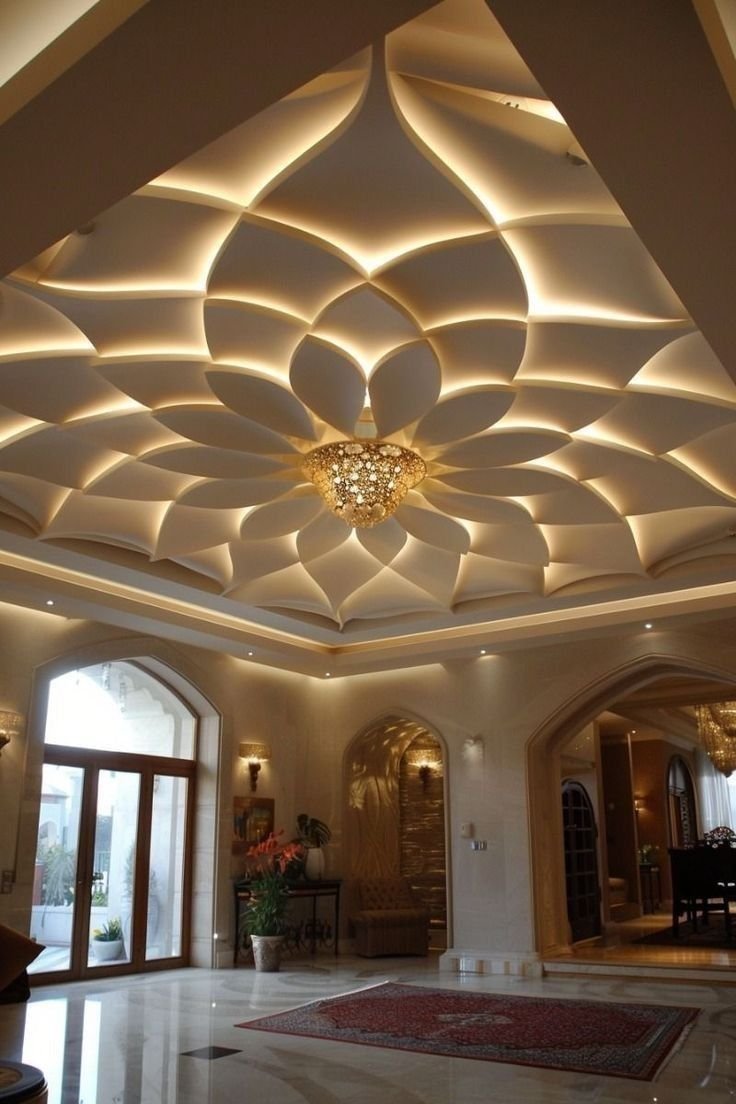
For those seeking a touch of luxury, decorative chandeliers are an excellent choice. These stunning installations can serve as statement pieces while offering practical lighting solutions. When placed in high-ceilinged rooms or over central social areas, a well-chosen chandelier can unify the design and add a sense of drama.
Moreover, the influence of lighting on mood cannot be overstated. Bright, white lights may lend a sense of energy conducive to productivity, whereas warmer tones can create a cozy and inviting atmosphere. Therefore, selecting the right lighting in conjunction with inventive ceiling designs can greatly enhance the functionality of a space while promoting well-being among its inhabitants.
Materials for Creative Ceilings
When considering creative ceiling designs for modern homes, the choice of materials plays a crucial role in both aesthetic appeal and practicality. Various materials can be employed to enhance the look of a ceiling, each offering unique benefits and drawbacks.
Wood is one of the most popular materials for ceiling design, known for its warmth and classic appearance. It can be used in various finishes and styles, from sleek modern lines to rustic beams. Well-maintained wooden ceilings can last for decades, but they do require periodic treatment to protect against moisture and pests. In addition, wood tends to be a suitable choice for living rooms and bedrooms where a cozy atmosphere is desired.
Metal is another innovative option, often employed in contemporary settings to create an industrial vibe. Metal ceilings can be made from materials such as aluminum or steel, which are both durable and easy to maintain. The use of metals allows for intricate designs and textures, making them suitable for modern dining areas and commercial spaces. However, it is essential to consider the potential for noise in spaces with metal ceilings since they may amplify sounds.
Plaster ceilings have long been favored for their versatility and the ability to create elaborate patterns and textures. This material can easily be molded into artistic designs that serve as focal points in any room. While plaster offers durability, it may require more maintenance compared to wood or metal, especially in humid environments.
For those looking for a softer touch, fabric ceilings can add an element of elegance and sophistication. They can be used to diffuse sound and create warmth, making them ideal for home theaters or cozy lounges. However, fabric requires careful consideration regarding cleaning and durability, as it may not perform well in high-traffic or moisture-prone areas.
Selecting the right material for your ceiling should take into account the style of your home, room function, and maintenance requirements. It’s essential to balance functionality with aesthetic criteria to achieve a harmonious design.
Color Palettes and Finishes
The selection of color palettes for ceiling designs plays a crucial role in defining the atmosphere of any room. A well-chosen color can enhance harmony within the space, making it feel more cohesive. For instance, if the walls of a room are painted in warm tones, selecting a ceiling color from the same palette can create a seamless transition that elevates the overall aesthetic. On the other hand, contrasting colors can draw attention to the ceiling as a distinct feature, infusing character and visual interest. To achieve this balance, it is important to consider the function of the room and its primary activities when selecting colors.
Additionally, different finishes can greatly affect the overall appearance and perception of space. Matte finishes can impart a sophisticated, understated quality to a ceiling, reducing glare and promoting comfort in spaces such as bedrooms or home offices. In contrast, glossy finishes tend to reflect light, creating an illusion of spaciousness. This can be particularly beneficial in smaller rooms or areas with limited natural light, as the reflective surface can enhance brightness and depth.
Moreover, textured ceilings, such as those with popcorn or coffered designs, can add dimension and style, enabling homeowners to avoid flat and monotonous ceilings. While selecting textures, it is essential to consider the maintenance and cleaning processes involved, as some textured finishes may require more attention than others. Ultimately, a thoughtful approach to color and finish choices can transform a standard ceiling into a distinctive feature that elevates the design of modern homes.
Unique Ceiling Patterns and Textures
Ceilings often go unnoticed in the design of modern homes, yet they present a prime opportunity to add distinctive character and elegance. One approach to enhancing ceiling aesthetics is through unique patterns and textures that elevate the overall ambiance of a space. Various geometric designs, such as chevrons, hexagons, and diamonds, can introduce a contemporary flair while adding visual depth and interest.
Furthermore, techniques like stenciling and painting can create customized patterns that reflect the personality of the homeowner. Stenciled designs, in particular, allow for intricate patterns that can align with the rest of the room’s decor. This method offers a cost-effective way to infuse creativity and style, as it can be easily adapted to match any color scheme.
Natural textures are also an excellent choice for those seeking warmth and approachability in their living spaces. Imitations of materials such as wood grain or stone textures can be achieved through various techniques. For instance, wood paneling adds a rustic charm and creates a cozy atmosphere, while stone textures can evoke an earthy, serene feeling. Implementing these textures, whether through paint techniques or actual materials, can transform an ordinary ceiling into a captivating focal point.
Moreover, crown molding and trim play a crucial role in achieving polished and sophisticated ceiling designs. These elements not only enhance the architectural details but also serve as a bridge between the ceiling and the walls, giving the room a cohesive look. When selected thoughtfully, unique ceiling patterns and textures can substantially influence the perception of space, making it feel more inviting and stylish.
Functional Ceilings: Soundproofing and Insulation
In contemporary home design, ceilings are not only viewed as structural elements that define a space, but they also serve critical functional purposes. Among these, soundproofing and insulation play significant roles in enhancing the overall comfort of modern homes. The integration of creative ceiling designs with sound-reducing and insulating properties can yield a more tranquil and energy-efficient environment.
When considering soundproofing, various materials can be incorporated into ceiling designs that effectively minimize noise transmission. For instance, acoustic tiles and sound-absorbing panels are popular choices. These materials help to dampen sound reverberations within a room, making them ideal for spaces such as home theaters or bedrooms, where peace and quiet are prioritized. Additionally, the strategic placement of insulation batts or rolls above the ceiling can significantly enhance the thermal efficiency of a home, reducing energy costs and creating a more comfortable indoor climate.
Feeling the need to blend aesthetics with functionality, many homeowners explore options such as dropped ceilings combined with acoustic solutions. These designs can complement the overall interior while still delivering excellent soundproofing and insulation. Moreover, innovative materials like spray foam insulation offer both thermal advantages and acoustic benefits, establishing a dual-purpose ceiling that meets modern demands.
It is essential to consider not only the materials used but also the installation techniques that can augment soundproofing characteristics. Proper sealing of gaps and using resilient channels can enhance the overall effectiveness of soundproofing efforts. Therefore, by thoughtfully addressing the functional aspects of ceilings, homeowners can enjoy an enriched living environment that harmonizes style and comfort.
Showcase of Inspiring Ceiling Designs
Modern home design embraces creativity, and ceilings play a crucial role in shaping the interior ambiance. A well-designed ceiling can transform an ordinary space into an extraordinary one. This section presents an array of inspiring ceiling designs from contemporary homes around the globe, illustrating the diversity and innovation in this aspect of interior architecture.
One notable example is the use of coffered ceilings, which feature a grid of recessed panels that create depth and elegance. This design element is particularly effective in larger living areas, where it can add character and enhance the sense of space. Using varying colors within the panels creates a visually appealing contrast that captivates the eye.
Another trend gaining popularity is the incorporation of dramatic lighting within the ceiling structure. For example, integrated LED strips or pendant lights can highlight architectural features or artwork. One can see this in various modern homes where indirect lighting adds warmth and a touch of sophistication, transforming the ceiling into a stunning focal point.
Textured ceilings are also prevalent in contemporary designs. Materials such as wood planks, metal tiles, or fabric can create a tactile experience that draws attention upward. A living room adorned with a textured wood ceiling, for instance, not only adds warmth but also gives the space an organic feel, seamlessly connecting it with nature.
Additionally, the use of unconventional shapes, such as curved or sloped ceilings, can introduce a unique dynamic to a room. These designs challenge the traditional flat ceiling concept, offering a fresh perspective that enhances the overall architecture. Such ceilings often lead the eye, guiding inhabitants and guests through the space with a sense of flow and motion.
In summary, the ceiling serves as more than just a structural element; it is a canvas for creativity. By exploring different materials, textures, and shapes, homeowners can inspire themselves to reimagine the possibilities of ceiling design, incorporating these elements into their own spaces for a truly distinctive touch.
Conclusion and Tips for Implementing Creative Ceiling Designs
Embracing creative ceiling designs can significantly enhance the aesthetic appeal of modern homes. Throughout this discussion, we explored various innovative approaches that homeowners can adopt to transform their living spaces. From coffered and beam ceilings to the use of color and texture, each design element offers a unique touch that can elevate the overall ambiance of a room.
As you consider implementing these design ideas, it’s essential to evaluate your budget. Creative ceiling projects can range from simple enhancements to elaborate restorations. Homeowners should establish a clear financial plan that accounts for materials, labor, and potential unforeseen expenses to avoid overspending. For those with a limited budget, focusing on minor adjustments, such as paint or decorative molding, can still yield impressive results.
Another vital point is deciding whether to hire professionals or undertake a DIY approach. For intricate designs, such as installing a suspended ceiling or sophisticated plastering, consulting with an experienced contractor is advisable. Professionals can ensure that the installation is not only aesthetically pleasing but also structurally sound. However, if you prefer a hands-on approach, starting with smaller projects—like adding decals or doing a fresh paint job—can be empowering and cost-effective.
Lastly, personalization in ceiling design should never be overlooked. The ceiling is often termed the fifth wall and can be used to reflect the homeowner’s personality and style. Consider your lifestyle, the mood you wish to create, and let these factors guide your choices. Remember, every space is unique, and your ceilings should resonate with your individual taste while harmonizing with the overall design of your home.