


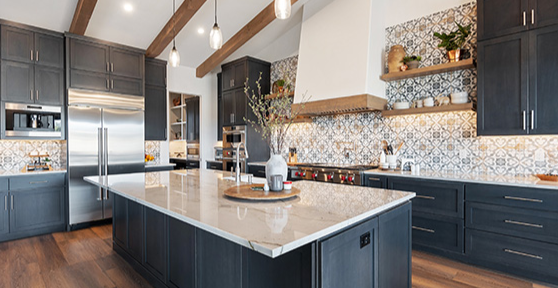
Functionality and Workflow
A well-designed kitchen must prioritize functionality and workflow to ensure that daily cooking activities are completed efficiently. An optimal kitchen layout allows ease of movement and reduces unnecessary steps, thereby streamlining the cooking and food preparation processes. One of the most effective designs for enhancing efficiency is the classic triangular layout, which positions the stove, sink, and refrigerator in triangular formation, facilitating a seamless flow of movement.
In this arrangement, the chef can move easily between the three points, minimizing the distance traveled during food preparation tasks. For instance, while chopping vegetables at the sink, one can quickly transition to the stove to sauté them without losing precious time. This setup not only saves time but also contributes to a more enjoyable cooking experience.
Moreover, organizing kitchen tools and appliances can significantly enhance workflow. All utensils, pots, and cookware should be stored close to the areas where they are primarily utilized. For example, placing cooking utensils in a drawer near the stove or wall-mounted racks for pots and pans can reduce clutter and create an efficient workspace. Additionally, incorporating versatile storage solutions such as pull-out shelves and lazy Susans can optimize space, making it easier to access necessary items without rummaging through cabinets.
To further improve kitchen functionality, consider the height and accessibility of cabinets and countertops. Having frequently used items within arm’s reach and organizing pantry ingredients in a systematic manner can facilitate a swift cooking process. By focusing on these elements, the overall efficiency of the kitchen is enhanced, leading to a more organized and enjoyable culinary experience.
Kitchen Layout Options
When designing a kitchen, the layout is a pivotal aspect that significantly influences both functionality and aesthetics. There are several primary kitchen layout options, including U-shaped, L-shaped, galley, and island designs. Each layout offers distinct advantages and disadvantages, and choosing the right one is essential for creating an efficient cooking environment.
The U-shaped kitchen is characterized by three walls of cabinetry, forming a “U” shape. This layout is ideal for maximizing storage and countertop space, making it suitable for larger families or those who cook frequently. However, the extensive cabinetry can make the area feel enclosed if not adequately designed.
Conversely, the L-shaped kitchen provides a more open layout with two adjoining walls. This design allows for a more spacious feeling, which may facilitate better movement throughout the kitchen. However, its effectiveness largely depends on achieving an appropriate work triangle, which connects the stove, sink, and refrigerator. If poorly configured, it may restrict workflow.
The galley kitchen, often referred to as a corridor kitchen, consists of two parallel walls. This layout is highly efficient for cooking, as it keeps all elements within close reach, but it may lack sufficient space for more than one user. If the space is narrow, it might lead to congested movement.
Finally, the island kitchen layout integrates a central island that can serve multiple purposes, from food preparation to dining. This design enhances interaction, making it popular for social cooking. However, the size and space available for the island must be carefully considered to avoid obstructing movement.
In evaluating these kitchen layout options, it is vital to consider individual needs, the available space, and the overall aesthetic you wish to achieve. A well-considered kitchen layout not only enhances functionality but also contributes to a more enjoyable cooking and dining experience.
Selecting Quality Materials
Choosing the right materials for your kitchen is a fundamental aspect of achieving both functionality and aesthetics. It is essential to select durable and easy-to-maintain materials for countertops, cabinets, and flooring to ensure the longevity and practicality of your kitchen. Among the numerous options available, popular choices include granite, quartz, wood, and tile, each offering unique benefits and drawbacks.
Granite countertops are revered for their natural beauty and exceptional durability. This natural stone surface is resistant to scratches and heat, making it ideal for a bustling kitchen environment. However, granite requires periodic sealing to prevent stains, which may be viewed as a maintenance drawback.
In contrast, quartz countertops provide an engineered alternative that is non-porous and easy to clean. Their uniform appearance can offer a sleek, modern aesthetic while ensuring resistance to stains and bacteria. The downside to quartz is that it may not withstand extreme heat as well as granite, which could lead to potential damage if hot pots are placed directly on the surface.
When considering cabinetry, solid wood offers timeless appeal and can be refinished, adding to its longevity. However, wood may be susceptible to warping and moisture damage in a kitchen setting if proper care is not taken. For a more affordable option, laminate cabinets may be appealing, but they do not possess the same durability or lifespan as solid wood.
Flooring choices such as tile are durable and come in an array of styles, which allows for creative expression. Tiles are water-resistant and easy to maintain, although they can be cold and hard underfoot. Alternatively, luxury vinyl plank flooring offers the appearance of wood or stone while being softer and more comfortable, although it may not have the same lifespan as traditional tile.
Overall, carefully evaluating the pros and cons of each material enables homeowners to make informed decisions that cater to both their aesthetic preferences and practical needs in a kitchen environment.
Adequate Lighting Solutions
Proper lighting is crucial in creating a well-designed kitchen, as it not only enhances the aesthetic appeal but also improves functionality. To achieve an inviting atmosphere, it is important to incorporate three types of lighting: ambient, task, and accent lighting.
Ambient lighting serves as the primary source of illumination in the kitchen. Ceiling-mounted fixtures, recessed lights, or chandeliers are popular choices for providing even light distribution throughout the space. This foundational layer of light ensures that every corner of the kitchen is illuminated, allowing for safe navigation and an overall warm environment.
Task lighting is essential for specific activities that require focused illumination, such as cooking, food preparation, and cleaning. Under-cabinet lights are an excellent example, as they can effectively illuminate countertops, making it easier to see what you are working on. Pendant lights installed above islands or dining areas can also serve this purpose, providing targeted light where it is needed most.
Accent lighting adds visual interest and can help highlight architectural details or decorative elements in the kitchen. This could include LED strip lights along shelves or cabinet edges, which create a soft glow and enhance the overall design aesthetic. Spotlights can also be used to draw attention to art pieces or unique features, contributing to the kitchen’s overall ambiance.
When layering these types of lighting, strive for a balance that allows for both functionality and visual appeal. Adjustable dimmer switches can enhance this effect, allowing for a change in mood and lighting intensity as needed. Additionally, opting for energy-efficient LED fixtures can significantly reduce energy consumption while providing the necessary brightness for a well-designed kitchen.
Smart Storage Solutions
Efficient kitchen design necessitates thoughtful storage solutions that promote organization and declutter the space. A well-organized kitchen not only enhances aesthetics but also improves functionality. One popular method is the use of custom cabinetry, which can be tailored to fit unique kitchen dimensions and needs. Custom cabinets allow homeowners to maximize available space while creating a cohesive look throughout the kitchen.
Open shelving has gained popularity for its ability to display items such as stylish dishes and cookbooks, making them easily accessible. Beyond aesthetics, open shelves encourage an organized approach to kitchenware since everything is visible and can be returned to a designated space after use. However, it’s crucial to maintain organization, or else the appeal of open shelving may quickly diminish.
Another practical solution includes pull-out drawers, which provide ease of access to the contents stored within deep cabinets. These drawers significantly reduce the strain associated with sifting through stacked items. By incorporating pull-out racks and bins, homeowners can further streamline the storage of pots, pans, and other essentials.
Lazy Susans remain a timeless tool for improving accessibility in corner cabinets, allowing users to easily rotate and access items that may otherwise be difficult to reach. They can be especially effective in maximizing corner spaces that often go underutilized.
To make the most of vertical space, consider installing shelves that reach the ceiling. This not only creates additional storage for infrequently used items but also draws the eye upwards, making the kitchen feel larger. Similarly, utilizing under-counter areas for additional storage or creating a small wine rack can also enhance functionality. By implementing these smart storage solutions, kitchens can remain organized, ensuring that every cooking experience is as enjoyable and efficient as possible.
Appliance Selection and Placement
The selection and arrangement of kitchen appliances play a crucial role in determining the functionality of a kitchen. With the advancements in technology and design, the modern kitchen is not only a place for cooking but also a focal point of social interaction within the home. Therefore, choosing the right appliances and ensuring their optimal placement can enhance both efficiency and aesthetic appeal.
Essential appliances for a contemporary kitchen typically include a refrigerator, oven, stove, and dishwasher. When selecting these appliances, one of the primary considerations should be energy efficiency. Energy-efficient appliances often consume less electricity, thus lowering utility bills and minimizing environmental impact. Look for appliances that have Energy Star ratings, as these are tested to meet energy efficiency guidelines set by the U.S. Environmental Protection Agency.
In addition to choosing high-quality and efficient appliances, their layout significantly affects the kitchen’s workflow. The conventional kitchen triangle theory suggests that the refrigerator, stove, and sink should be positioned within a comfortable distance from one another, typically in the form of a triangle. This layout allows for easy movement between tasks, enhancing the overall kitchen flow.
Proper spacing around appliances is also vital to avoid discomfort during use. There should be adequate countertop space beside the stove and a clear path around the refrigerator to promote ease of access. For example, a minimum of 15 to 20 inches of counter space adjacent to the stovetop is recommended, which can facilitate food preparation and cooking without hindrance.
Ultimately, the thoughtful selection and strategic placement of appliances are fundamental to creating a well-designed kitchen that is both functional and inviting. By investing in energy-efficient options and paying attention to layout considerations, homeowners can enhance their culinary experience while contributing to a sustainable future.
Personalizing Your Kitchen Design
Creating a kitchen that reflects personal style while maintaining functionality is a vital aspect of kitchen design. Homeowners are encouraged to bring their unique tastes into this essential space through thoughtful color schemes, decor, and accessories. Recent trends indicate a movement towards integrating bold colors and patterns, juxtaposed with natural materials, allowing for an aesthetically pleasing yet functional environment.
Color schemes play a pivotal role in shaping the kitchen’s ambiance. Current trends favor hues like deep green, navy blue, and even vibrant yellows, which can add character to the space. Likewise, neutral tones such as whites, greys, and earth tones create a timeless backdrop that can be complemented with colorful accents. Homeowners can consider painting an accent wall or using colorful cabinetry to introduce these hues without overwhelming the space.
Decorative elements further personalize the kitchen design. Open shelving, for example, can display beautiful dishware, jars of spices, or even indoor plants, contributing a personal touch while remaining functional. Accessories such as statement light fixtures, unique rugs, and custom hardware can also enhance the kitchen’s charm. Mixing old and new elements, such as combining modern appliances with vintage decor pieces, also adds depth and character to the kitchen.
It’s essential to balance aesthetics with functionality. A well-designed kitchen should not only look good but also support everyday tasks. For instance, selecting decorative items that integrate organizational solutions can help maintain a clean and efficient workspace. As trends continue to evolve, personalizing your kitchen design ensures that the space remains not only stylish but also reflects the homeowner’s lifestyle and culinary needs.
The Importance of Ventilation
Ventilation plays a crucial role in kitchen design, contributing to both safety and comfort while cooking. A well-ventilated kitchen helps maintain optimal air quality by removing excess heat, moisture, smoke, and cooking odors that can otherwise accumulate during meal preparation. This is particularly important given that poor ventilation can lead to more serious issues such as mold growth due to increased humidity levels and the build-up of harmful pollutants.
There are several options available for kitchen hoods and exhaust systems that vary in style, functionality, and efficacy. The most common choice is a range hood, which is installed above the cooking surface. This appliance typically has an extraction fan and works to capture steam, fumes, and splashes right where the cooking takes place. Effective range hoods can significantly reduce indoor pollutants and enhance overall kitchen hygiene.
Wall-mounted, under-cabinet, and island hoods are some popular options, each designed to suit various kitchen layouts. Wall-mounted hoods are fixed to the wall above the stove, while under-cabinet hoods are installed beneath cabinetry and save space. For open-concept kitchens, island hoods provide a functional and aesthetic solution by hanging from the ceiling above a central cooking island.
Another common ventilation option is the use of downdraft ventilation systems, which are ideal for cooktops placed on islands. These systems are integrated into the cooktop itself and rise when in use, venting smoke and grease directly downwards into the ductwork. Although they can be more costly and less powerful than traditional hoods, they offer a sleek appearance and flexibility in kitchen design.
In conclusion, incorporating effective ventilation in kitchen design is essential for maintaining good air quality and ensuring a healthier cooking environment. By selecting the right kitchen hoods and exhaust systems, homeowners can ensure their kitchens not only look great but also function efficiently, promoting safety and comfort in this vital space.
Sustainability in Kitchen Design
In recent years, the concept of sustainability has gained significant traction in various domains, including kitchen design. An eco-friendly kitchen not only takes into account the choice of materials but also addresses energy efficiency and water conservation. To create a kitchen that is both stylish and environmentally responsible, it is essential to understand how to incorporate sustainable practices and materials.
When selecting materials, consider using renewable resources such as bamboo for cabinets or countertops made from recycled glass. These materials not only reduce environmental impact but can also add unique aesthetic qualities to your kitchen design. Additionally, opting for low-VOC (volatile organic compounds) paints and finishes can significantly improve indoor air quality, ensuring a healthier living environment for occupants.
Energy-efficient appliances play a crucial role in sustainable kitchen design. Modern appliances often consume less energy than their older counterparts, reducing both energy bills and environmental footprints. Look for ENERGY STAR ratings when selecting refrigerators, ovens, or dishwashers, as this certification indicates that an appliance meets strict efficiency guidelines. Furthermore, by integrating smart home technology, homeowners can monitor energy usage and optimize efficiency, contributing to a more sustainable kitchen operation.
Water-saving fixtures, such as low-flow faucets and dual-flush toilets, are equally important for sustainability. These fixtures are designed to minimize water waste without sacrificing performance. In addition, adopting practices like composting food scraps and integrating recycling stations can further enhance the eco-friendliness of your kitchen space, turning it into a more responsible and conscious area of the home.
In conclusion, embracing sustainability in kitchen design is achievable through the thoughtful selection of materials, appliances, and fixtures. By prioritizing eco-friendly choices, homeowners can create a stylish kitchen that reflects their commitment to environmental stewardship while remaining functional and aesthetically pleasing.